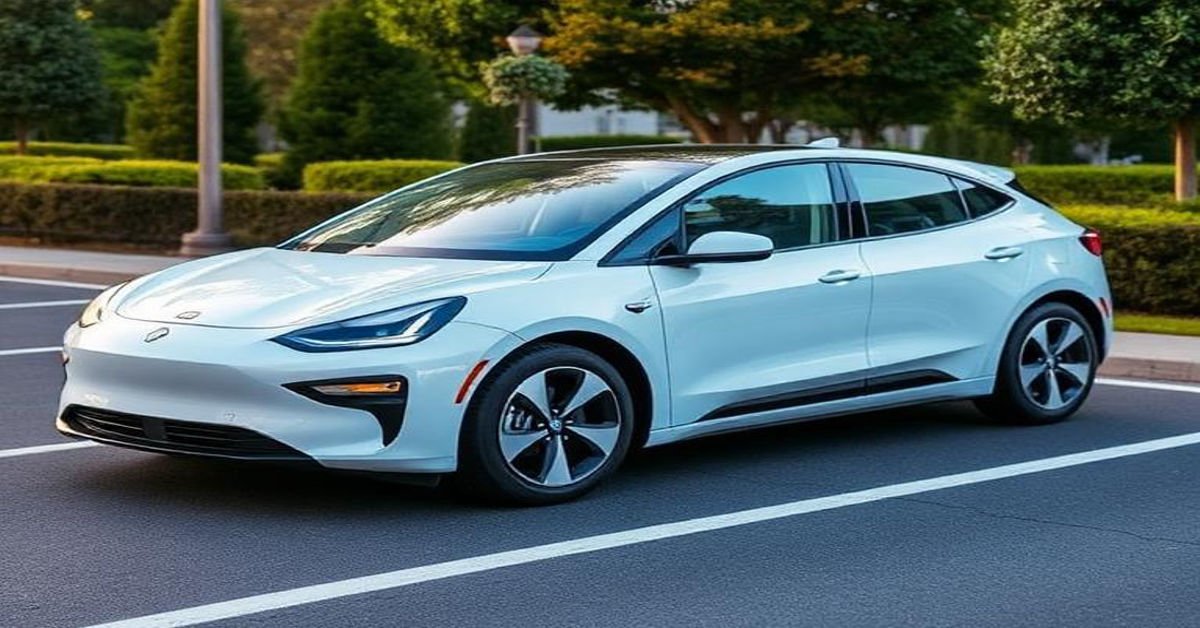
The electric vehicle (EV) market in the United States has evolved rapidly over the past decade. What was once a niche technology limited to premium buyers has now become a practical and affordable option for everyday drivers. With rising fuel costs, environmental concerns, and expanding charging infrastructure, affordable electric cars in the USA are gaining widespread attention.
This guide is written to help first-time EV buyers, budget-conscious families, and daily commuters understand which electric cars are truly affordable, what costs to expect, and how to choose the right model. The information is based on current market trends, manufacturer data, and real-world ownership experience, ensuring accuracy, trust, and value.
Why Affordable Electric Cars Matter in the USA
Electric cars are no longer just about innovation; they are about accessibility. Affordable EVs allow more people to transition away from gasoline vehicles without sacrificing reliability or comfort.
Key Reasons for Growing EV Affordability
-
Lower battery costs compared to a decade ago
-
Federal and state-level incentives
-
Increased competition among automakers
-
Advances in battery efficiency and range
For many Americans, an electric car is now cheaper to own over time than a comparable gasoline vehicle, even if the upfront price is slightly higher.
Understanding “Affordable” in the EV Market
Affordability goes beyond the sticker price. A truly affordable electric car should balance purchase cost, running expenses, and long-term value.
Factors That Define an Affordable Electric Car
-
Purchase price under $35,000 (before incentives)
-
Low maintenance and servicing costs
-
Strong battery warranty
-
Reasonable driving range for daily needs
-
Access to charging infrastructure
When these factors align, electric cars become practical for urban drivers, suburban families, and even small businesses
Average Cost of Electric Cars in the USA
Electric car prices in the USA vary depending on size, brand, and features. However, the entry-level segment has expanded significantly.
Typical Price Ranges
-
Entry-level EVs: $25,000 – $30,000
-
Mid-range EVs: $30,000 – $40,000
-
Premium EVs: $40,000 and above
With federal tax credits and state rebates, many affordable EVs effectively cost less than $25,000 for eligible buyers.
Federal and State Incentives That Reduce EV Costs
Government incentives play a major role in making electric cars affordable in the USA.
Federal EV Tax Credit
Eligible electric vehicles may qualify for a federal tax credit of up to $7,500, depending on:
-
Battery sourcing
-
Vehicle assembly location
-
Buyer income limits
State-Level Incentives
Many states offer additional benefits such as:
-
Purchase rebates
-
Reduced registration fees
-
HOV lane access
-
Sales tax exemptions
Together, these incentives significantly lower the effective cost of ownership.
Table: Examples of Affordable Electric Cars in the USA (2025)
| Electric Car Model | Estimated Price (USD) | Driving Range (Miles) | Body Type |
|---|---|---|---|
| Chevrolet Bolt EV | ~$26,500 | ~259 | Hatchback |
| Nissan Leaf | ~$28,000 | ~212 | Hatchback |
| Mini Cooper SE | ~$30,900 | ~114 | Compact |
| Hyundai Kona Electric | ~$32,000 | ~261 | SUV |
| Tesla Model 3 (Base) | ~$34,990 | ~272 | Sedan |
Prices may vary by state, incentives, and dealer.
Chevrolet Bolt EV: A Budget-Friendly Favorite
The Chevrolet Bolt EV has become one of the most recognized affordable electric cars in the USA. It combines a competitive price with an impressive range.
Why It Stands Out
-
Over 250 miles of real-world range
-
Spacious interior for a compact car
-
Proven reliability record
-
Widely available service network
For urban commuters and small families, the Bolt EV offers excellent value without unnecessary complexity.
Nissan Leaf: Simplicity and Reliability
The Nissan Leaf remains one of the longest-running electric cars in the American market. Its simplicity appeals to drivers seeking a no-frills EV experience.
Key Highlights
-
Easy-to-use infotainment system
-
Comfortable ride for daily commuting
-
Lower insurance and maintenance costs
-
Strong resale value in urban markets
Although its range is lower than some competitors, it remains suitable for city and suburban use.
Affordable Electric SUVs: Growing Choices
SUVs remain the most popular vehicle type in the USA, and affordable electric SUVs are now widely available.
Benefits of Electric SUVs
-
Higher seating position
-
More cargo space
-
Family-friendly interiors
-
Improved safety features
Models like the Hyundai Kona Electric provide SUV practicality without the high price tag typically associated with electric SUVs.
Tesla Model 3: Entry-Level Tesla Option
While Tesla is often associated with premium pricing, the base Model 3 has positioned itself as a competitive option among affordable EVs.
What Makes It Competitive
-
Access to Tesla’s Supercharger network
-
Strong software and over-the-air updates
-
Long driving range
-
High safety ratings
For buyers prioritizing technology and charging convenience, the Model 3 remains a strong contender.
Charging Costs vs Gasoline Costs
One of the biggest advantages of owning an affordable electric car in the USA is reduced fueling costs.
Average Charging Costs
-
Home charging: $0.10–$0.15 per kWh
-
Public charging: $0.20–$0.35 per kWh
In comparison, gasoline vehicles are more vulnerable to fuel price fluctuations.
Table: EV vs Gasoline Monthly Fuel Cost Comparison
| Vehicle Type | Average Monthly Distance | Fuel/Energy Cost |
|---|---|---|
| Electric Car | 1,000 miles | $40 – $60 |
| Gasoline Car | 1,000 miles | $120 – $160 |
Estimates vary by region and energy prices.
Maintenance Costs of Electric Cars
Electric cars have fewer moving parts than gasoline vehicles, resulting in lower maintenance requirements.
Maintenance Advantages
-
No oil changes
-
Fewer brake replacements (regenerative braking)
-
Reduced engine wear
-
Lower long-term servicing costs
Over five years, many EV owners report saving thousands of dollars compared to traditional cars.
Battery Life and Warranty Considerations
Battery longevity is a common concern among first-time EV buyers.
What Buyers Should Know
-
Most EV batteries last 8–15 years
-
Federal regulations require at least an 8-year/100,000-mile battery warranty
-
Gradual capacity loss is normal, not sudden failure
Modern battery management systems have significantly improved durability and reliability.
Used Affordable Electric Cars in the USA
The used EV market is expanding, offering additional affordability.
Advantages of Buying Used EVs
-
Lower upfront cost
-
Reduced depreciation
-
Many still under battery warranty
Certified pre-owned electric cars can be an excellent option for budget-focused buyers.
Who Should Buy an Affordable Electric Car?
Affordable electric cars are suitable for a wide range of drivers.
Ideal Buyers
-
Daily commuters
-
City and suburban drivers
-
Environmentally conscious consumers
-
Families seeking low running costs
-
Rideshare and delivery drivers
With proper planning, EVs can meet most daily transportation needs.
Environmental Benefits of Affordable EVs
Electric cars contribute to reduced emissions, especially as the US power grid shifts toward renewable energy.
Environmental Impact
-
Zero tailpipe emissions
-
Reduced urban air pollution
-
Lower carbon footprint over vehicle lifespan
Affordable EVs make sustainable transportation accessible to more people.
Common Myths About Affordable Electric Cars
Despite growing adoption, misconceptions remain.
Myth vs Reality
-
Myth: EVs are too expensive
Reality: Incentives make many EVs cheaper than gas cars -
Myth: Charging is inconvenient
Reality: Home charging covers most daily needs -
Myth: Batteries fail quickly
Reality: Modern EV batteries are built for long-term use
Understanding facts helps buyers make informed decisions.
Future of Affordable Electric Cars in the USA
The future looks promising for affordable EVs.
What to Expect
-
More models under $25,000
-
Improved battery range
-
Faster charging technologies
-
Expanded charging networks
As technology matures, electric cars will continue to become more accessible.
Final Thoughts: Are Affordable Electric Cars Worth It?
Affordable electric cars in the USA represent a smart balance between cost, technology, and sustainability. With lower operating expenses, attractive incentives, and improving infrastructure, EV ownership is no longer limited to early adopters or luxury buyers.
For drivers looking to reduce fuel costs, minimize maintenance, and embrace cleaner transportation, affordable electric cars offer a practical and future-ready solution.
2 thoughts on “Affordable Electric Cars in the USA”