Electric vehicles (EVs) are no longer the future of India—they are the present. With rising fuel prices, government incentives, and increasing environmental awareness, EV adoption is growing rapidly across the country. As a result, the demand for EV charging infrastructure is also increasing at a fast pace. Many entrepreneurs, investors, landowners, and businesses are now interested in understanding the EV charging station setup cost in India and whether it is a profitable opportunity.
Understanding EV Charging Stations in India
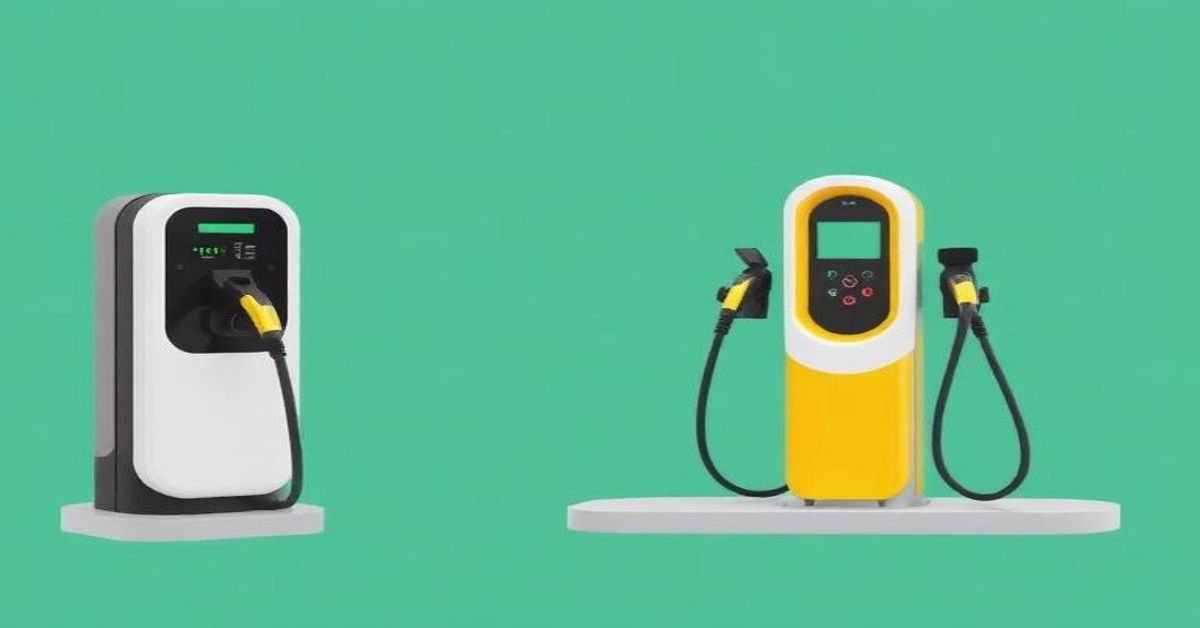
An EV charging station is a facility that supplies electric energy to recharge electric vehicles such as electric cars, scooters, bikes, buses, and commercial fleets. In India, EV charging stations can be installed in public locations, private properties, highways, residential societies, malls, offices, petrol pumps, and parking areas.
The cost of setting up an EV charging station depends mainly on the type of charger, power capacity, location, land availability, and electrical infrastructure.
Types of EV Charging Stations and Their Cost Impact
Before calculating the setup cost, it is important to understand the types of EV chargers available in India.
Common Types of EV Chargers in India
| Charger Type | Power Output | Charging Time | Usage |
|---|---|---|---|
| AC Slow Charger | 3.3 kW – 7.4 kW | 6–8 hours | Homes, offices |
| AC Fast Charger | 11 kW – 22 kW | 2–4 hours | Commercial areas |
| DC Fast Charger | 30 kW – 60 kW | 45–90 minutes | Public stations |
| DC Ultra-Fast Charger | 100 kW – 350 kW | 15–30 minutes | Highways |
Explanation:
AC chargers are cheaper and suitable for low-traffic areas, while DC fast chargers are expensive but essential for public and highway charging stations where fast turnaround is required.
EV Charging Station Setup Cost in India (Detailed Breakdown)
The total investment varies widely based on the scale of the project. Below is a realistic cost breakdown for India.
Approximate Setup Cost by Charger Type
| Charger Type | Equipment Cost (₹) | Installation Cost (₹) | Total Cost (₹) |
|---|---|---|---|
| AC Slow Charger | 50,000 – 1,00,000 | 20,000 – 50,000 | 70,000 – 1.5 lakh |
| AC Fast Charger | 2 – 3 lakh | 50,000 – 1 lakh | 2.5 – 4 lakh |
| DC Fast Charger (30–60 kW) | 10 – 20 lakh | 2 – 5 lakh | 12 – 25 lakh |
| DC Ultra-Fast Charger | 35 – 1 crore | 5 – 15 lakh | 40 lakh – 1.2 crore |
Explanation:
For a small city-level charging station, AC chargers are enough. For highways or commercial hubs, DC fast chargers are necessary, increasing capital cost significantly.
Land Cost and Space Requirements
Land plays a major role in determining EV charging station setup cost in India.
Space Requirement for EV Charging Stations
| Charger Setup | Minimum Space Required |
|---|---|
| Single AC Charger | 100–150 sq. ft |
| Multiple AC Chargers | 300–500 sq. ft |
| DC Fast Charging Station | 1,000–2,000 sq. ft |
| Highway Charging Hub | 2,500+ sq. ft |
Explanation:
If you already own land or parking space, your cost reduces drastically. Otherwise, rental expenses must be added to monthly operational costs.
Electricity Infrastructure and Power Connection Cost
Electricity availability is the backbone of an EV charging business.
Electrical Setup Cost in India
| Component | Estimated Cost (₹) |
|---|---|
| Transformer (if required) | 3 – 8 lakh |
| Power connection & meter | 50,000 – 2 lakh |
| Cabling & safety equipment | 1 – 3 lakh |
| Load upgrade charges | Varies by state |
Explanation:
DC fast chargers require high electrical load (50 kW to 150 kW). In many cases, a dedicated transformer is mandatory, which increases upfront investment.
Software, Billing, and Backend Management Cost
Modern EV charging stations are software-driven and require backend systems.
Technology & Software Cost
| Component | Cost Range (₹) |
|---|---|
| Charging management software | 50,000 – 2 lakh |
| Mobile app integration | 1 – 3 lakh |
| Payment gateway setup | 10,000 – 30,000 |
| Annual software maintenance | 30,000 – 1 lakh |
Explanation:
Software allows users to locate chargers, make payments, monitor charging status, and improves overall customer experience.
Government Approvals and Licensing Cost
India has simplified policies for EV charging stations, but approvals are still required.
Mandatory Approvals
| Approval Type | Authority | Cost |
|---|---|---|
| Electricity connection | DISCOM | As per load |
| Fire safety clearance | Local authority | 10,000 – 50,000 |
| Local municipal NOC | Municipality | Nominal |
| Pollution clearance | Not required | Nil |
Explanation:
EV charging stations are classified as a service activity, not fuel retail, making approvals easier compared to petrol pumps.
Government Subsidies and Incentives in India
The Indian government actively supports EV infrastructure through schemes like FAME II and state EV policies.
Popular EV Charging Incentives
| Incentive Type | Benefit |
|---|---|
| Capital subsidy | Up to 20–30% (varies by state) |
| GST reduction | 5% on EV chargers |
| Electricity tariff | Lower EV charging tariff |
| Land support | Provided by some states |
Explanation:
States like Delhi, Maharashtra, Gujarat, Tamil Nadu, and Karnataka offer additional incentives, reducing overall setup cost.
Operational and Maintenance Cost
After installation, recurring expenses must be considered.
Monthly Operating Cost
| Expense | Estimated Cost (₹/Month) |
|---|---|
| Electricity bill | 30,000 – 2 lakh |
| Rent (if applicable) | 20,000 – 1 lakh |
| Maintenance | 10,000 – 30,000 |
| Staff & security | 15,000 – 50,000 |
| Internet & software | 2,000 – 10,000 |
Explanation:
Electricity cost depends on usage volume. High-traffic stations generate higher revenue but also higher power bills.
Revenue Potential and Profitability
Understanding revenue helps justify the setup cost.
Average Revenue Estimation
| Factor | Value |
|---|---|
| Charging price | ₹12 – ₹25 per unit |
| Daily vehicles | 20 – 100+ |
| Monthly revenue | ₹1.5 – 6 lakh |
| Profit margin | 20% – 40% |
Explanation:
Urban and highway charging stations usually recover their investment within 2–4 years, depending on utilization.
Experience-Based Insights: Is EV Charging Business Worth It?
From an industry experience perspective, EV charging is a long-term infrastructure business, not a quick-profit venture. Locations with high vehicle movement, commercial hubs, IT parks, apartments, and highways offer the best ROI.
Trust builds when users find reliable chargers with transparent pricing, uptime, and fast service. Stations that focus on customer experience, app support, and maintenance tend to perform better financially.
Risks and Challenges to Consider
While the opportunity is strong, some challenges exist:
-
High initial capital for DC chargers
-
Power supply limitations in rural areas
-
Slow EV adoption in smaller towns
-
Competition from government-backed networks
Planning location and charger type carefully reduces these risks.
Future of EV Charging Infrastructure in India
India aims to have millions of EVs on roads by 2030, which means charging infrastructure demand will multiply. Battery technology, fast-charging standards, and renewable energy integration will further improve profitability.
Final Thoughts
The EV charging station setup cost in India can range from ₹1 lakh for small AC setups to over ₹1 crore for high-capacity fast-charging hubs. With proper planning, government support, and the right location, EV charging stations offer a sustainable, future-proof business opportunity.
For entrepreneurs and investors looking to enter the green energy ecosystem, EV charging infrastructure stands out as a reliable and scalable venture aligned with India’s clean mobility goals.
2 thoughts on “EV Charging Station Setup Cost in India”