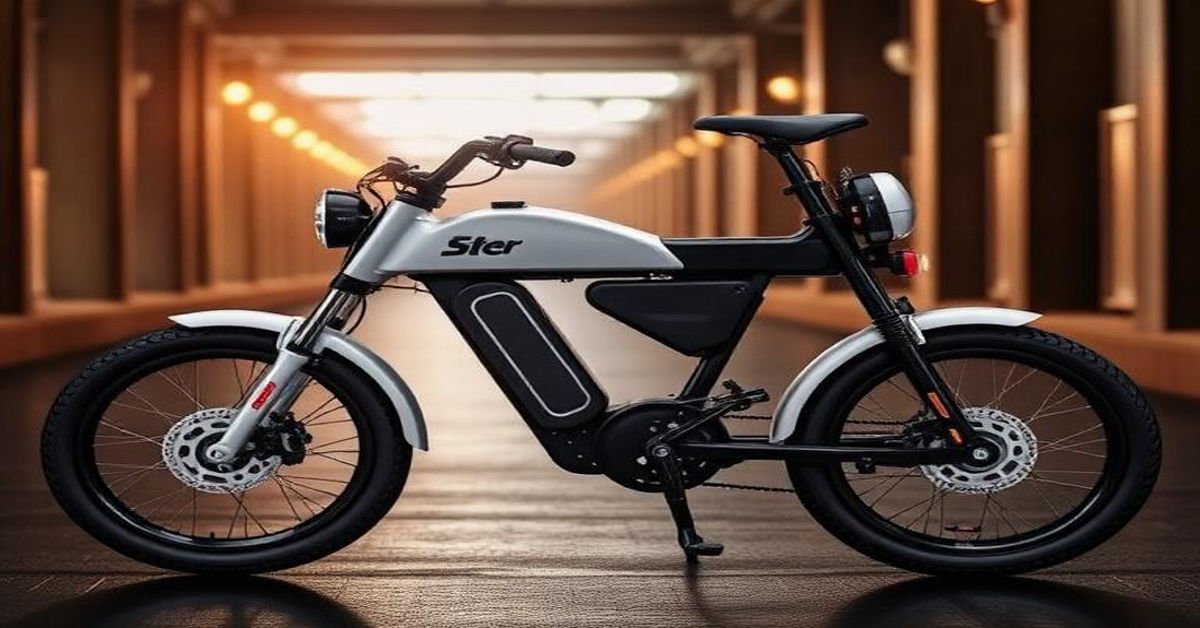
Hero Electric Bikes: Are They Worth It in 2025: Electric two-wheelers are no longer a future concept in India; they are a present-day reality. With rising fuel prices, increasing environmental awareness, and strong government support for electric mobility, EV bikes and scooters are seeing massive adoption across urban and semi-urban regions. Among the pioneers of India’s electric two-wheeler market, Hero Electric stands out as one of the most recognized and trusted brands.
As we move into 2025, many potential buyers are asking an important question: Are Hero Electric bikes worth buying in 2025? This article answers that question with an in-depth, experience-based and expert-driven analysis covering performance, pricing, real-world usage, reliability, after-sales support, and long-term value.
This guide is designed to help first-time EV buyers, daily commuters, and budget-conscious users make an informed decision.
Understanding Hero Electric’s Position in the Indian EV Market
Hero Electric is one of the earliest electric two-wheeler manufacturers in India. Unlike Hero MotoCorp, Hero Electric operates independently and has focused exclusively on electric mobility for over a decade. This early entry has helped the brand gain valuable experience in battery technology, customer preferences, and service infrastructure.
Hero Electric primarily targets city commuters, students, senior citizens, and users looking for a low-cost alternative to petrol scooters. The company does not compete directly with high-speed electric bikes like Ather or Ola; instead, it focuses on practicality, affordability, and ease of use.
Hero Electric Bike Models Available in 2025
Hero Electric offers multiple electric scooter models designed for different usage needs. The lineup in 2025 focuses mainly on low-speed and mid-speed electric scooters.
Hero Electric Models and Key Specifications (2025)
| Model Name | Top Speed | Range (Claimed) | Battery Type | Charging Time | Ideal User |
|---|---|---|---|---|---|
| Hero Electric Optima CX | 45 km/h | 82–140 km | Lithium-ion | 4–5 hours | Daily city commuters |
| Hero Electric Photon HX | 45 km/h | Up to 108 km | Lithium-ion | 5 hours | Family users |
| Hero Electric NYX HX | 42 km/h | Up to 101 km | Lithium-ion | 4–5 hours | Office and delivery users |
| Hero Electric Flash | 25 km/h | 85 km | Lead-acid | 8–10 hours | Budget buyers, students |
Paragraph Explanation:
Hero Electric’s product range is clearly designed for urban use rather than highway riding. Most models are capped at 45 km/h, making them suitable for short-distance commuting, school runs, and daily errands. The presence of both lithium-ion and lead-acid options allows buyers to choose based on budget and usage intensity.
Real-World Riding Experience: What Owners Actually Feel
From a practical experience perspective, Hero Electric bikes are known for their smooth and silent ride quality. The instant torque delivery makes them comfortable in traffic-heavy city conditions. Acceleration is gradual, which enhances safety for new riders and elderly users.
However, riders accustomed to petrol scooters may find the top speed limiting. Hero Electric bikes are not designed for aggressive riding or long highway journeys. They excel in stop-and-go traffic and short daily commutes.
The lightweight build makes handling easy, especially for women riders and senior citizens. Parking, maneuvering in narrow lanes, and riding in congested areas feel effortless.
Battery Performance and Charging in 2025
Battery technology has significantly improved by 2025, and Hero Electric has transitioned most of its popular models to lithium-ion batteries. These batteries are lighter, charge faster, and offer better efficiency than older lead-acid batteries.
Battery Types Used by Hero Electric
| Battery Type | Lifespan | Maintenance | Charging Speed | Suitability |
|---|---|---|---|---|
| Lithium-ion | 4–5 years | Low | Fast | Daily commuters |
| Lead-acid | 2–3 years | Medium | Slow | Low-budget users |
Paragraph Explanation:
Lithium-ion variants are highly recommended in 2025 due to their longer lifespan and lower maintenance requirements. Lead-acid batteries still exist in entry-level models but are gradually being phased out due to weight and durability concerns.
Charging is straightforward and can be done using a regular household socket. Most users report full charging costs of less than ₹15–₹20 per charge, making Hero Electric one of the most economical mobility options available.
Running Cost and Long-Term Savings
One of the strongest arguments in favor of Hero Electric bikes is their exceptionally low running cost. Compared to petrol scooters, electric bikes can save thousands of rupees annually.
Cost Comparison: Hero Electric vs Petrol Scooter
| Expense Type | Hero Electric (Annual) | Petrol Scooter (Annual) |
|---|---|---|
| Fuel / Electricity | ₹2,000–₹3,000 | ₹18,000–₹25,000 |
| Maintenance | ₹1,000–₹1,500 | ₹3,000–₹5,000 |
| Total Estimated Cost | ₹3,500–₹4,500 | ₹22,000–₹30,000 |
Paragraph Explanation:
For users traveling 20–30 km daily, the savings are substantial. Over a period of 3–5 years, the total cost of ownership of a Hero Electric bike can be significantly lower than that of a petrol-powered two-wheeler, even after factoring in battery replacement costs.
Build Quality and Design Evaluation
Hero Electric bikes focus more on functionality than aggressive styling. The designs are clean, minimal, and practical. Build quality has improved in recent years, but it is still more utilitarian compared to premium EV brands.
Plastic panels are lightweight but adequate for city use. Suspension systems are tuned for comfort rather than sportiness, handling potholes and speed breakers reasonably well.
Seat comfort is good for short to medium rides, and under-seat storage is sufficient for daily essentials like helmets and small bags.
Safety Features and Technology
Hero Electric bikes prioritize basic safety and essential technology rather than advanced smart features.
Safety and Tech Features Overview
| Feature | Availability |
|---|---|
| Regenerative Braking | Yes (select models) |
| Side Stand Sensor | Yes |
| Anti-Theft Alarm | Yes |
| Disc Brakes | Front (selected models) |
| Mobile App Connectivity | Limited |
Paragraph Explanation:
While Hero Electric may not offer large touchscreen displays or advanced AI features, it covers essential safety needs. This simplicity also reduces repair complexity and long-term maintenance costs, which is beneficial for budget-conscious users.
Service Network and After-Sales Support
Hero Electric has one of the widest service networks among electric two-wheeler brands in India. This is a major advantage, especially in Tier-2 and Tier-3 cities where EV service availability can be limited.
Spare parts are generally affordable and accessible. Service intervals are less frequent than petrol scooters due to fewer moving parts.
Customer feedback on service quality varies by region, but overall satisfaction levels have improved in recent years as the company has strengthened its dealer training programs.
Are Hero Electric Bikes Suitable for Everyone?
Hero Electric bikes are not designed to be all-rounders. They are best suited for specific user profiles.
Ideal Users for Hero Electric Bikes
| User Type | Suitability |
|---|---|
| Daily office commuters | Very suitable |
| College students | Highly suitable |
| Senior citizens | Excellent choice |
| Highway riders | Not recommended |
| Performance enthusiasts | Not suitable |
Paragraph Explanation:
If your primary requirement is affordability, ease of use, and daily commuting within city limits, Hero Electric bikes are an excellent option. However, riders looking for speed, long-distance touring, or premium features should explore higher-end EV brands.
Final Conclusion
Hero Electric bikes continue to be a practical and sensible choice in 2025 for Indian riders who prioritize savings, sustainability, and simplicity. With improving battery technology, better service coverage, and stable pricing, the brand remains relevant despite increasing competition.
If your goal is to reduce fuel expenses, avoid rising petrol costs, and adopt clean mobility without overcomplicating ownership, Hero Electric bikes are still very much worth considering in 2025.
1 thought on “Hero Electric Bikes: Are They Worth It in 2025”