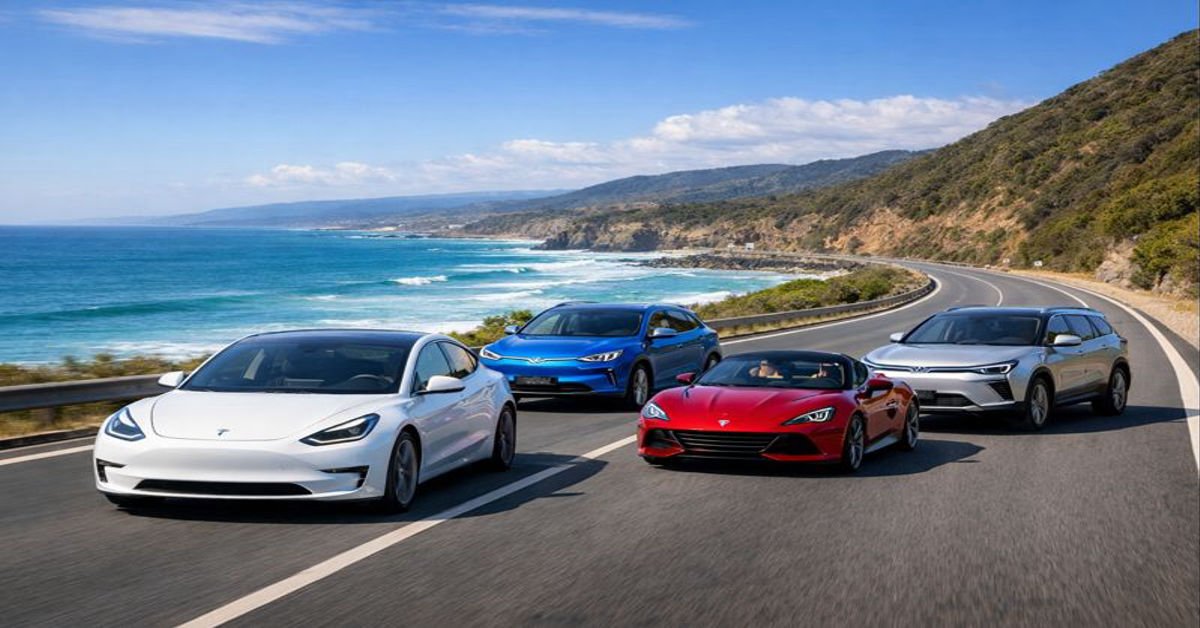
Introduction: Australia’s Electric Vehicle Market Is Entering a New Era
New EV Models Launching in Australia market is evolving rapidly. Once considered a niche segment dominated by a few premium brands, EVs are now becoming mainstream, affordable, and practical for everyday Australian drivers. With improving charging infrastructure, government incentives, and rising fuel costs, interest in electric cars has reached an all-time high.
One of the most exciting developments is the wave of new EV models launching in Australia. From compact city cars and family SUVs to performance sedans and electric utes, automakers are expanding their line-ups to meet diverse consumer needs. This article explores the latest and upcoming electric vehicle launches in Australia, what makes them unique, and how they fit into the country’s driving conditions and lifestyle.
Whether you are planning to buy your first EV or simply want to stay informed about the future of mobility, this guide provides expert insights, real-world relevance, and trusted information.
Why Australia Is Seeing More EV Launches Than Ever Before
Australia’s EV growth has accelerated for several key reasons:
-
Government support and state-level incentives
-
Rising petrol and diesel prices
-
Improved public charging networks
-
Greater consumer awareness of sustainability
-
Increased competition among global automakers
Manufacturers now recognize Australia as a strategic EV market rather than an afterthought. As a result, more models are being launched with right-hand drive compatibility, longer driving ranges, and features tailored to Australian roads.
Key New EV Models Launching in Australia
The upcoming EV launches cover a wide range of price points and vehicle types. Below is an overview of some of the most anticipated models expected to enter or expand the Australian market.
Table 1: New EV Models Launching in Australia (Overview)
| Brand | Model | Vehicle Type | Estimated Range (WLTP) | Expected Launch |
|---|---|---|---|---|
| Tesla | Model 3 Highland | Sedan | ~513 km | 2025 |
| BYD | Seal U | Mid-size SUV | ~500 km | 2025 |
| Kia | EV5 | Compact SUV | ~550 km | 2025 |
| Hyundai | Ioniq 7 | Large SUV | ~600 km | 2026 |
| MG | Cyberster | Electric Roadster | ~450 km | 2025 |
| Ford | Electric Ranger (Expected) | Ute | ~500 km | 2026 |
Ranges and launch timelines may vary depending on final Australian specifications.
Tesla’s Upcoming Models: Refinement Over Reinvention
Tesla continues to play a major role in Australia’s EV adoption. While the brand is already well-established, its upcoming models focus on refinement, efficiency, and technology upgrades.
Tesla Model 3 (Highland Update)
The updated Tesla Model 3 is expected to bring:
-
Improved interior quality
-
Enhanced ride comfort
-
Better sound insulation
-
Increased efficiency and range
Australian drivers value reliability and charging convenience, and Tesla’s Supercharger network remains one of the most trusted fast-charging solutions in the country.
Experience Insight: Many Australian Tesla owners report low maintenance costs and smooth highway performance, making newer models even more appealing.
Chinese EV Brands Expanding Rapidly in Australia
Chinese manufacturers are reshaping Australia’s EV market by offering feature-rich electric vehicles at competitive prices.
BYD Seal U: Family-Friendly Electric SUV
The BYD Seal U is designed for families seeking affordability without compromising on technology. Expected highlights include:
-
Spacious cabin and large boot
-
Advanced driver assistance systems (ADAS)
-
Competitive pricing compared to European rivals
-
Long driving range suitable for regional travel
BYD’s growing dealership network in Australia adds trust and accessibility for buyers.
MG Cyberster: A New Take on Electric Performance
MG’s electric roadster represents a bold step into lifestyle EVs. It targets enthusiasts looking for:
-
Sporty design
-
Fast acceleration
-
Modern infotainment
-
Unique styling rarely seen in EVs
Korean Brands Leading in Design and Reliability
Hyundai and Kia have built strong reputations in Australia for durability and value. Their upcoming EVs reflect deep understanding of local driving needs.
Kia EV5: Designed With Australian Roads in Mind
The Kia EV5 is expected to become a popular choice due to:
-
SUV body style suited for Australian families
-
High ground clearance
-
Practical interior layout
-
Long range with efficient battery technology
Kia has openly stated that Australia is a priority EV market, which enhances buyer confidence.
Hyundai Ioniq 7: Electric SUV for Large Families
The Ioniq 7 aims to meet demand for large electric SUVs, offering:
-
Three-row seating
-
Long-distance driving capability
-
Advanced safety systems
-
Premium interior experience
Electric Utes: The Future of Australia’s Favorite Vehicle Type
Australia’s love for utes is undeniable. While electric utes are still emerging, upcoming launches could redefine this segment.
Why Electric Utes Matter
-
Tradespeople seek lower running costs
-
Fleet operators want reduced emissions
-
EV torque suits towing and off-road use
Manufacturers are carefully testing electric utes to ensure they meet Australian expectations for durability and range.
Charging Infrastructure Supporting New EV Launches
One reason automakers are confident launching new EVs in Australia is the expanding charging network.
Key Developments
-
Ultra-fast DC chargers on highways
-
State government-backed charging projects
-
Increased home charging installations
-
Retail and shopping center charging availability
Table 2: EV Charging Options in Australia
| Charging Type | Typical Location | Charging Time |
|---|---|---|
| Home AC Charger | Residential | 6–10 hours |
| Public AC Charger | Shopping centres | 4–8 hours |
| DC Fast Charger | Highways | 20–40 minutes |
| Ultra-Fast Charger | Major EV hubs | 15–25 minutes |
Cost Expectations for New EV Models in Australia
Price remains a major consideration for buyers. Fortunately, new launches span various budgets.
What Influences EV Pricing?
-
Battery size and chemistry
-
Country of manufacture
-
Government taxes and incentives
-
Technology and safety features
Entry-level EVs are becoming more affordable, while premium models offer luxury and performance.
Environmental Impact and Sustainability Benefits
New EV models launching in Australia contribute to:
-
Reduced greenhouse gas emissions
-
Lower urban air pollution
-
Decreased reliance on imported fuel
-
Long-term sustainability goals
As Australia increases renewable energy generation, the environmental benefits of EVs continue to grow.
What Australian Buyers Should Consider Before Choosing a New EV
Before purchasing one of the new EV models launching in Australia, consider:
-
Daily driving distance
-
Access to home or workplace charging
-
Local service and warranty coverage
-
Long-term running costs
-
Resale value and software updates
Test drives and real-world reviews can help buyers make informed decisions.
The Future of EV Launches in Australia
Looking ahead, Australia can expect:
-
More affordable EVs under budget segments
-
Improved battery technology
-
Wider availability of electric SUVs and utes
-
Increased local assembly or customization
-
Stronger resale markets for used EVs
The next five years will likely define how quickly EVs replace internal combustion vehicles nationwide.
Conclusion: A Turning Point for Electric Vehicles in Australia
The surge of new EV models launching in Australia marks a turning point for the automotive industry and consumers alike. With greater choice, improving infrastructure, and increasing affordability, electric vehicles are no longer just the future—they are the present.
From compact city cars to family SUVs and upcoming electric utes, Australian drivers now have access to EVs that suit local roads, climates, and lifestyles. As technology continues to improve and awareness grows, EV adoption in Australia is set to accelerate further.
3 thoughts on “New EV Models Launching in Australia”