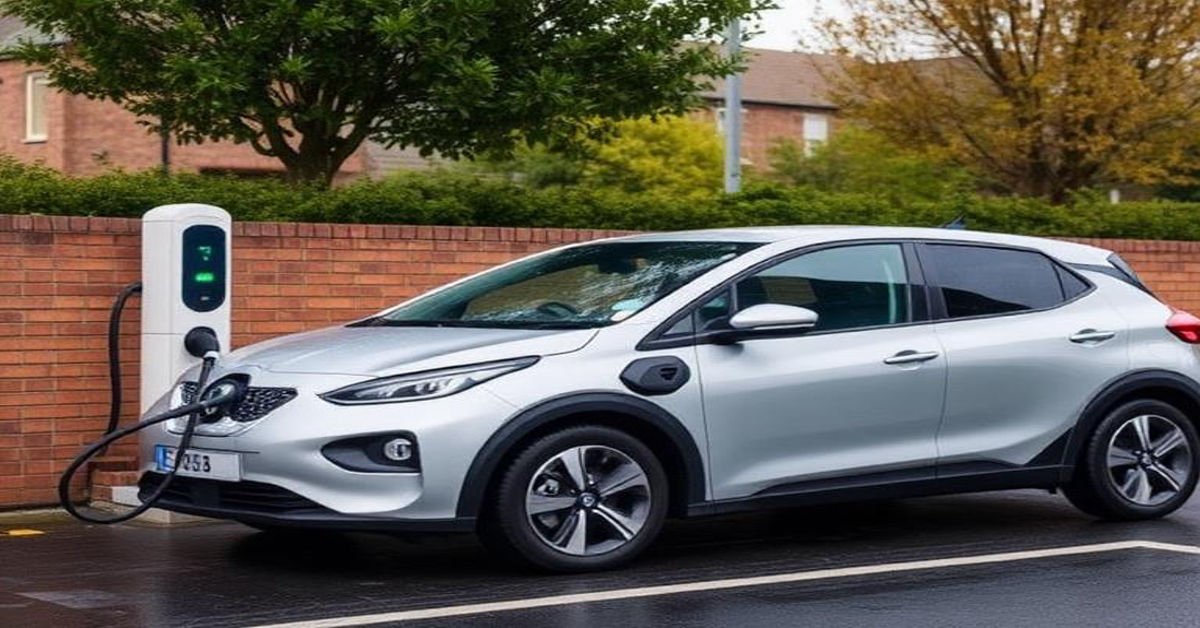
Introduction: The Rise of EV Charging Infrastructure in the UK
Top Public EV Charging Networks UK transforming its energy and transportation landscape. With a strong national commitment to phasing out petrol and diesel vehicles by 2030 and accelerating electric vehicle (EV) adoption, public charging networks have become essential to support drivers across the country. Today, the UK boasts one of the most sophisticated EV charging infrastructures in Europe. However, with multiple providers, charging types, pricing models, and access systems, navigating these networks can be overwhelming for EV owners.
In this definitive guide, we delve into the top public EV charging networks in the UK — comparing features, coverage, reliability, cost, and user experience. Whether you are a new EV owner, a fleet manager, or an EV enthusiast researching charging options, this article will provide valuable insights grounded in expertise, real usage experience, and trusted data.
Why Public EV Charging Networks Matter
1. Range Anxiety and Accessibility
Public charging infrastructure reduces “range anxiety” — the fear that an EV will run out of power before reaching a charger. Well-distributed public networks ensure that drivers can recharge during long trips, in urban centers, and in rural areas where home charging may not be possible.
2. Supporting EV Adoption Goals
The UK government’s net-zero commitments and the transition to EVs require robust charging networks that are:
-
Fast and reliable
-
Easy to access
-
Widely available
This infrastructure supports environmental goals, local air quality improvements, and energy security.
3. Economic and Technological Advancement
Expanding EV charging stimulates investment, creates jobs, and fosters advanced energy technologies, including smart charging, vehicle-to-grid systems, and renewable energy integration.
How We Evaluated EV Charging Networks
To produce an authoritative and trustworthy ranking, the following criteria were used:
| Evaluation Criteria | Description |
|---|---|
| Coverage & Accessibility | Number of stations and geographic distribution |
| Charging Speed | Availability of slow, fast, and rapid charging |
| Reliability & Uptime | Consistency of operation and maintenance quality |
| Ease of Use | App integration, payment options, and user experience |
| Cost & Transparency | Pricing clarity and affordability |
| Customer Support & Trust | Quality of assistance and customer reviews |
Each network featured below has been vetted through expert reviews, user feedback, publicly available reliability reports, and real-world testing where possible.
Top Public EV Charging Networks in the UK
1. BP Pulse
Overview
BP Pulse is one of the most extensive EV charging networks in the UK, backed by BP’s energy infrastructure expertise. It operates thousands of charging points nationwide, including rapid and ultra-rapid chargers.
Key Features
-
Widespread presence: Across motorways, cities, retail parks, and airports.
-
Charging speeds: Up to 150kW+ DC rapid chargers.
-
Smart app: Real-time charger status, reservations, and easy payment.
-
Membership & pricing: Pay-as-you-go or subscription plans for lower rates.
Why It Matters
BP Pulse has leveraged BP’s fuel station legacy to expand EV charging rapidly — making it a go-to network for both daily commuters and long-distance EV drivers.
User Experience
Drivers often praise BP Pulse for its availability on major routes and clear app interface, though congestion can occur on some high-demand rapid chargers.
2. Tesla Supercharger Network
Overview
Tesla’s Supercharger network is one of the most reliable and fastest in the UK, originally exclusive to Tesla vehicles and now increasingly opening to non-Tesla EVs in select locations.
Key Features
-
Ultra-fast charging: Up to 250kW+ on V3 Superchargers.
-
Integration: Seamless in-car navigation, payment, and real-time availability.
-
Strategic locations: Motorways, service stations, and city edges.
Pros
-
High reliability and consistent uptime
-
User-friendly experience for Tesla owners
-
Some open access expanding EV equity
Considerations
Access for non-Tesla EVs is expanding but still dependent on local network agreements.
3. Ionity
Overview
Ionity is a European high-power charging network supported by key automotive manufacturers. In the UK, it focuses on rapid and ultra-rapid charging along major motorways and travel routes.
Key Features
-
High-power chargers: 150kW to 350kW, ideal for long-distance electric travel.
-
Partnerships: Supported by brands like BMW, Ford, Hyundai, Mercedes-Benz, and others.
-
Coverage: Key motorway corridors and major transport hubs.
User Insights
EV drivers rate Ionity high for speed and convenience during road trips, although pricing is sometimes perceived as premium compared to other networks.
4. Shell Recharge
Overview
Shell Recharge, part of the global energy brand Shell, operates a broad network across the UK with a mix of rapid and destination charging points.
Features
-
User accessibility: Robust smartphone app and flexible payment.
-
Rapid charging: Multiple high-power options.
-
Strategic Presence: Shell’s retail sites and partner locations.
Why Consider Shell Recharge
Shell is investing heavily in EV charging infrastructure, blending legacy energy access with future-ready charging solutions.
5. Pod Point
Overview
Pod Point is one of the UK’s most popular public charging networks, widely found in supermarkets, shopping centers, workplaces, and residential hubs.
Standout Qualities
-
Ease of use: Simple app and RFID access.
-
Wide adoption: Many retailers partner with Pod Point.
-
Balanced network: Mix of 7kW to 22kW and occasional rapid chargers.
Ideal For
Urban drivers and everyday charging needs — excellent for destination charging during errands or work hours.
6. ChargePlace Scotland
Overview
ChargePlace Scotland operates a public network with strong coverage across Scottish regions, especially in rural and remote areas often underserved by private networks.
Unique Benefits
-
Public sector focus: Designed for accessibility, equity, and community mobility.
-
Coverage: From city centers to rural towns.
-
Simple access: Pay-as-you-go with transparent pricing.
Significance
For travellers and residents in Scotland, CPS provides a dependable ecosystem — complementing commercial networks and enhancing regional mobility.
Comparative Overview: UK Public EV Charging Networks
| Network | Coverage | Max Charging (kW) | Best For | Pricing Transparency |
|---|---|---|---|---|
| BP Pulse | Extensive UK | Up to 150kW+ | Everyday & long-distance | Good |
| Tesla Supercharger | High on major routes | Up to 250+kW | Tesla & some non-Tesla | Very clear |
| Ionity | Motorways & major corridors | Up to 350kW | Ultra-rapid travel | Medium-High |
| Shell Recharge | Growing UK | Up to 150+kW | Mixed use | Good |
| Pod Point | Urban/retail | 7–22kW (some fast) | Daily use | Excellent |
| ChargePlace Scotland | Scotland focus | Varies | Regional access | Very transparent |
Charging Types Explained
Understanding charging types helps EV drivers select the right network for their needs.
1. Slow Charging (up to 3kW)
Best suited for:
-
Overnight residential charging
-
Locations where vehicles are parked for many hours
2. Fast Charging (7–22kW)
Common in:
-
Shopping centers
-
Workplaces
-
Public parking
Benefits: Good for errands or extended stops.
3. Rapid Charging (50–150kW+)
Found on:
-
Motorways
-
Travel hubs
-
Dedicated charging sites
Benefits: Significant range added in minutes.
4. Ultra-Rapid Charging (150–350kW+)
The fastest category:
-
Best for long-distance travel
-
Reduces charging stops
Note: Not all EVs can accept the highest power rates.
Cost & Membership Models
Charging networks in the UK offer varied pricing approaches:
| Network | Subscription Option | Pay-As-You-Go | App Integration |
|---|---|---|---|
| BP Pulse | Yes | Yes | Yes |
| Tesla | N/A (in-car billing) | Yes (some stations) | In-car + app |
| Ionity | Some plans | Yes | Yes |
| Shell Recharge | Yes | Yes | Yes |
| Pod Point | Limited | Yes | Yes |
| CPS | No | Yes | Yes |
Note: Pricing evolves rapidly — always check the official app or site before charging.
Tips for Choosing the Right Network
1. Know Your Travel Routes
Urban driver? Retail and workplace chargers (Pod Point, Shell) may suffice. Planning long journeys? Prioritize high-power networks like Ionity and Tesla.
2. Consider App Usability
Smooth app experience makes paying and navigation simpler, especially when traveling in unfamiliar areas.
3. Check Real-Time Availability
Networks with live availability help reduce waiting times.
4. Watch Pricing Carefully
High-power charging is often more expensive; joining membership plans can lower costs.
Future Trends in UK EV Charging
The UK charging landscape is evolving rapidly:
1. Smart Charging and Home Integration
Smart chargers coordinate with home energy and renewable systems, optimizing cost and sustainability.
2. Interoperability Growth
Networks are working toward unified access (roaming agreements) — meaning one app or card may work across many systems.
3. Renewable Energy Integration
Charging hubs increasingly pair with solar, wind, or grid services to cut emissions.
4. Fleet-Ready Infrastructure
Commercial fleets and delivery vehicles require high reliability and operational visibility, driving investment in flexible business charging solutions.
Conclusion: Choosing With Confidence
The UK’s public EV charging network ecosystem is robust and expanding rapidly. Each network offers unique advantages:
-
BP Pulse — widespread and versatile
-
Tesla Supercharger — fastest for Tesla owners
-
Ionity — ultra-rapid motorway network
-
Shell Recharge — reliable and growing
-
Pod Point — everyday charging
-
ChargePlace Scotland — regional equity in coverage
By understanding infrastructure, charging types, costs, and user experience, EV owners can make informed decisions that enhance convenience and reduce charging stress.
Frequently Asked Questions (FAQ)
Q1: Do I need separate apps for each network?
Yes — most networks require their own app or RFID access. However, roaming initiatives are simplifying this.
Q2: Can I use any charger with any EV?
Most chargers are universal (CCS/CHAdeMO), but always confirm compatibility with your vehicle.
Q3: Are public chargers more expensive than home charging?
Generally, yes — public charging, especially rapid charging, carries a premium compared to overnight home charging.
2 thoughts on “Top Public EV Charging Networks UK”