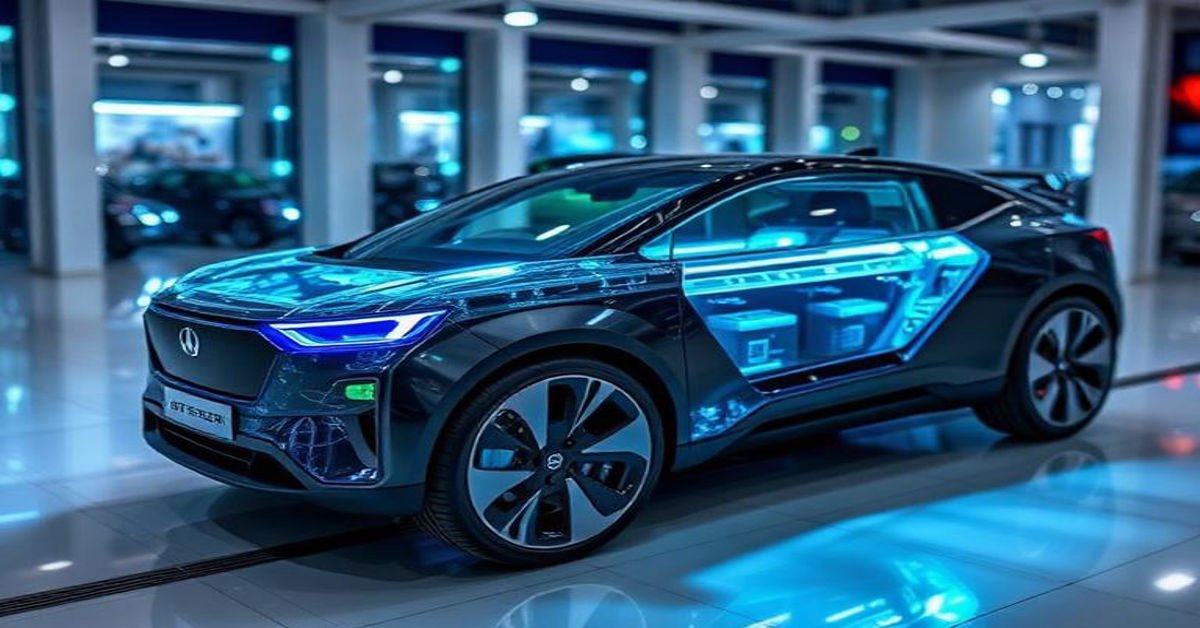
Upcoming EV Battery Technology in India at a critical turning point in its electric mobility journey. With rising fuel prices, growing environmental concerns, and strong government support, electric vehicles (EVs) are no longer a niche concept. At the heart of this transformation lies one crucial component: battery technology. The future success of EVs in India depends heavily on how battery technologies evolve in terms of cost, safety, charging speed, energy density, and sustainability.
This article explores upcoming EV battery technology in India, explaining what innovations are on the horizon, how they will impact consumers and manufacturers, and why India’s battery ecosystem is gaining global attention. Written with experience, technical understanding, and industry awareness, this guide aims to deliver trustworthy and practical insights for readers, investors, students, and EV enthusiasts.
Why Battery Technology Is the Backbone of India’s EV Growth
Electric vehicle batteries determine everything from driving range and charging time to vehicle cost and long-term reliability. In India, where affordability and climate conditions are major considerations, battery performance becomes even more critical.
Traditional lithium-ion batteries have helped kickstart the EV revolution, but they are not perfect. Issues such as high import dependency, limited range, charging delays, and thermal risks have pushed Indian researchers and companies to explore next-generation battery technologies that are safer, cheaper, and better suited for local conditions.
India’s upcoming EV battery technologies aim to solve these problems while supporting large-scale adoption across two-wheelers, three-wheelers, passenger cars, and commercial vehicles.
Current State of EV Battery Technology in India
At present, most electric vehicles in India rely on lithium-ion battery packs, mainly using lithium iron phosphate (LFP) and nickel manganese cobalt (NMC) chemistries. These batteries are largely imported or assembled locally using imported cells.
While lithium-ion batteries have proven reliable, India faces several challenges such as raw material dependency, recycling limitations, and cost sensitivity. These challenges are driving innovation and encouraging the development of alternative and advanced battery technologies.
Overview of Current EV Battery Types in India
| Battery Type | Common Usage | Key Benefits | Limitations |
|---|---|---|---|
| Lithium-Ion (LFP) | Electric scooters, cars, buses | Long life, safer chemistry | Lower energy density |
| Lithium-Ion (NMC) | Premium EV cars | High energy density | Costly, thermal risks |
| Lead-Acid (Limited) | Low-speed EVs | Low cost | Heavy, short lifespan |
This current landscape is evolving rapidly as India invests in next-generation battery solutions.
Upcoming EV Battery Technologies in India
India is actively researching and adopting advanced battery technologies that promise higher performance, lower cost, and improved sustainability. These technologies are expected to reshape the EV ecosystem over the next decade.
Solid-State Batteries: The Future of Safe EVs
Solid-state batteries are considered one of the most promising upcoming EV battery technologies in India. Unlike conventional lithium-ion batteries that use liquid electrolytes, solid-state batteries use solid electrolytes, significantly improving safety and energy density.
Why Solid-State Batteries Matter for India
Solid-state batteries reduce fire risks, offer longer driving ranges, and support faster charging. For India’s hot climate and congested urban environments, improved safety is a major advantage.
| Feature | Lithium-Ion Batteries | Solid-State Batteries |
|---|---|---|
| Electrolyte Type | Liquid | Solid |
| Safety | Moderate | Very High |
| Energy Density | Medium | High |
| Charging Speed | Moderate | Fast |
Several Indian startups and research institutions are collaborating with global partners to bring solid-state battery technology into local production within the next few years.
Sodium-Ion Batteries: A Cost-Effective Alternative
Sodium-ion batteries are emerging as a strong alternative to lithium-based batteries, especially for India. Sodium is abundant, low-cost, and easily available compared to lithium, making this technology highly attractive for mass-market EVs.
Advantages of Sodium-Ion Batteries in India
Sodium-ion batteries are less sensitive to temperature variations and offer stable performance, making them suitable for Indian road and climate conditions. While their energy density is slightly lower than lithium-ion batteries, ongoing research is narrowing this gap.
| Parameter | Sodium-Ion Batteries | Lithium-Ion Batteries |
|---|---|---|
| Raw Material Availability | High in India | Mostly imported |
| Cost | Lower | Higher |
| Temperature Tolerance | High | Moderate |
| Energy Density | Medium | High |
Indian manufacturers are exploring sodium-ion batteries for electric two-wheelers, grid storage, and public transportation.
Lithium-Sulfur Batteries: High Energy at Lower Weight
Lithium-sulfur battery technology is gaining attention for its potential to deliver extremely high energy density at a lower cost. These batteries use sulfur, which is widely available and inexpensive.
Potential Impact on Indian EVs
Lithium-sulfur batteries could significantly increase driving range while reducing vehicle weight. This technology is especially promising for long-range electric cars and commercial vehicles.
| Aspect | Lithium-Ion | Lithium-Sulfur |
|---|---|---|
| Energy Density | Moderate | Very High |
| Weight | Heavier | Lighter |
| Cost of Materials | High | Lower |
| Development Stage | Commercial | Emerging |
Indian research institutions are actively working to improve the lifespan and stability of lithium-sulfur batteries, which are currently in advanced testing stages.
Advanced LFP Batteries: Improving a Proven Technology
Lithium iron phosphate (LFP) batteries are already popular in India due to their safety and durability. Upcoming advancements aim to improve their energy density and charging speed without compromising reliability.
Why Enhanced LFP Batteries Are Important
Advanced LFP batteries are ideal for India’s mass EV market, particularly two-wheelers, three-wheelers, and fleet vehicles. Improvements in cell design and manufacturing efficiency are making these batteries more competitive.
| Feature | Conventional LFP | Advanced LFP |
|---|---|---|
| Energy Density | Lower | Improved |
| Safety | High | Very High |
| Cost | Affordable | More optimized |
| Lifespan | Long | Extended |
With local manufacturing support, advanced LFP batteries are expected to dominate India’s EV market in the near future.
Battery Swapping Technology and Modular Batteries
Battery swapping is not a battery chemistry, but it is a key innovation shaping the future of EV batteries in India. Modular battery packs designed for quick replacement reduce charging downtime and make EV ownership more convenient.
Role of Battery Swapping in India
Battery swapping is particularly effective for electric scooters, delivery vehicles, and auto-rickshaws. Upcoming battery designs focus on standardization, durability, and smart monitoring.
| Benefit | Impact |
|---|---|
| Faster Refueling | Battery swap in minutes |
| Lower Upfront EV Cost | Battery as a service |
| Reduced Range Anxiety | Easy access to charged batteries |
Government-supported policies are accelerating battery swapping infrastructure across major Indian cities.
Indigenous Battery Manufacturing and PLI Scheme
One of the most important developments in upcoming EV battery technology in India is the push for domestic battery manufacturing. The Production Linked Incentive (PLI) scheme encourages companies to set up advanced battery manufacturing facilities within the country.
Why Local Manufacturing Matters
Local battery production reduces import dependency, lowers costs, and strengthens India’s supply chain resilience. It also creates employment and supports technological self-reliance.
| Factor | Imported Batteries | Locally Manufactured Batteries |
|---|---|---|
| Cost | Higher | Lower |
| Supply Risk | High | Reduced |
| Customization | Limited | High |
| Economic Impact | Low | Strong Domestic Growth |
Several Indian conglomerates and startups are investing heavily in gigafactories and R&D centers.
Battery Recycling and Second-Life Applications
As EV adoption grows, battery recycling and reuse become essential. Upcoming EV battery technologies in India are being designed with recyclability and second-life usage in mind.
Importance of Battery Recycling
Recycling helps recover valuable materials and reduces environmental impact. Second-life batteries can be used for energy storage in homes, telecom towers, and renewable power systems.
| Application | Use Case |
|---|---|
| Second-Life Storage | Solar and wind energy |
| Material Recovery | Lithium, nickel, cobalt |
| Environmental Impact | Reduced waste |
India is developing structured battery recycling policies to support sustainable EV growth.
Charging Speed Innovations and Fast-Charging Batteries
Fast-charging capability is a major focus of upcoming EV battery technology in India. New battery chemistries and improved thermal management systems are enabling shorter charging times without degrading battery life.
Benefits for Indian Consumers
Faster charging improves convenience, reduces wait times, and increases EV adoption confidence. This is especially important for long-distance travel and commercial fleets.
| Charging Type | Time Required |
|---|---|
| Standard Charging | 6–8 hours |
| Fast Charging | 1–2 hours |
| Ultra-Fast Charging (Upcoming) | Under 30 minutes |
These advancements are expected to align with expanding public charging infrastructure.
Role of Startups and Research Institutions
India’s EV battery innovation ecosystem includes startups, academic institutions, and public-private partnerships. These players are driving research, pilot projects, and commercialization of next-generation battery technologies.
Key Contributions
Indian startups are focusing on cell chemistry innovation, battery management systems, and energy optimization. Academic institutions contribute through fundamental research and talent development.
This collaborative approach strengthens India’s position in the global EV value chain.
Challenges Facing Upcoming EV Battery Technology in India
Despite rapid progress, challenges remain. Scaling production, ensuring quality control, managing costs, and building consumer trust are ongoing hurdles.
Key Challenges
| Challenge | Description |
|---|---|
| Raw Material Access | Limited domestic resources |
| Technology Scaling | From lab to mass production |
| Skilled Workforce | Need for specialized talent |
| Infrastructure | Charging and recycling support |
Addressing these challenges requires coordinated policy support and industry collaboration.
Future Outlook for EV Battery Technology in India
The future of EV battery technology in India looks promising. With government incentives, private investment, and growing consumer demand, India is moving toward a more self-reliant and innovative battery ecosystem.
Upcoming technologies will make EVs more affordable, safer, and efficient, accelerating India’s transition to clean mobility. Over the next decade, India is expected to emerge as a major hub for advanced battery manufacturing and innovation.
Conclusion
Upcoming EV battery technology in India is not just about better batteries; it represents a transformation in how the country approaches energy, transportation, and sustainability. From solid-state and sodium-ion batteries to improved lithium chemistries and recycling solutions, India is actively shaping the future of electric mobility.
As these technologies mature and reach commercial scale, Indian consumers will benefit from longer range, faster charging, lower costs, and greater safety. With strong policy backing and growing innovation, EV batteries will play a defining role in India’s clean energy journey.
1 thought on “Upcoming EV Battery Technology in India”