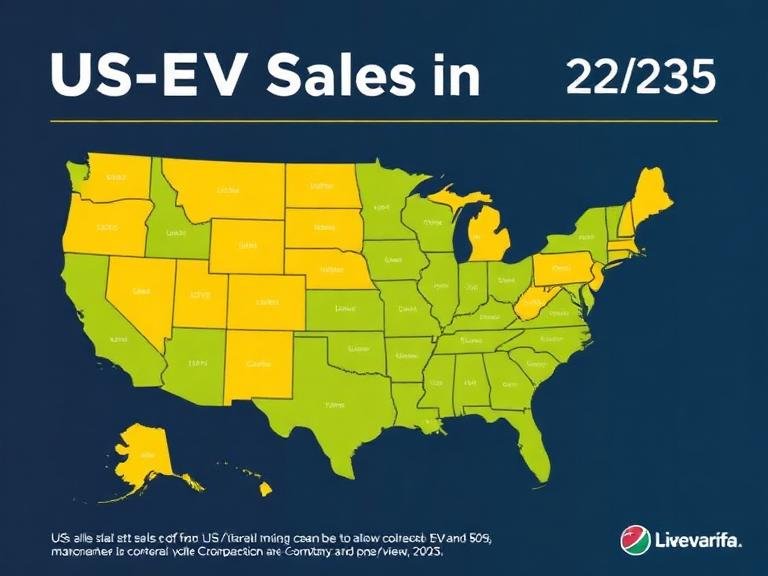
US EV Sales Statistics 2025 market experienced momentous growth and unique volatility in 2025. Record breaking sales, policy shifts, and evolving consumer preferences shaped one of the most dynamic years in American EV history. This article provides a comprehensive, data-driven view of EV sales, trends, key brand performances, charging infrastructure, and what these figures mean for drivers and industry observers alike.
We cover:
-
Nationwide EV sales statistics by quarter
-
Top EV brands and market share changes
-
Regional EV adoption trends
-
Charging network developments
-
Consumer behavior insights
-
Future outlook for EVs in the United States
All data is attributed to verified industry reports and studies.
The State of EV Adoption in the U.S. (2025 Overview)
2025 marked a turning point for electric vehicles in the United States. After years of steady expansion, broader economic and policy forces caused both peaks and downturns within the same year.
Key Highlights:
-
More than 1.2 million new EVs were sold through the first three quarters of 2025, a historic high.
-
However, changes to federal incentives late in the year led to declines in Q4 sales compared to earlier periods.
-
EV market share fluctuated dramatically by quarter, reflecting consumer response to incentives and availability.
These forces underscore a maturing—but complex—EV landscape where buyers, manufacturers, and policymakers all play a critical role.
Quarterly EV Sales Trends in 2025
Let’s break down what happened to EV sales throughout the year:
Sales & Market Share by Quarter
| Quarter | Estimated Units Sold | EV Share of Total Auto Sales | Trend Notes |
|---|---|---|---|
| Q1 2025 | ~300,000 | ~7.5% | Steady early-year growth. |
| Q2 2025 | ~310,000 | ~7.4% | Slight dip amid cooling demand. |
| Q3 2025 | ~437,000 | ~10.5% | Record quarter due to tax credit rush. |
| Q4 2025 | ~230,000 (est.) | ~5.7% | Sharp decline after federal incentive end. |
Total Estimated EV Units for 2025: ~1.275 million vehicles (slightly fewer than in 2024).
What This Data Tells Us
-
EV sales peaked mid-year as buyers accelerated purchases before federal tax incentives expired.
-
The annual EV share of total vehicle sales may end slightly below 2024 levels, despite strong gains in Q3.
This pattern reflects how policy incentives directly influence EV purchasing behavior.
Who’s Leading America’s EV Market in 2025? (Brand Breakdown)
EV sales in 2025 were not evenly distributed across manufacturers. Some automakers gained ground while others saw their influence wane.
Top U.S. EV Sellers (2025)
One of the most striking shifts in the market is how EV brand shares evolved:
-
Tesla continues to lead EV sales, but its share dropped noticeably compared to previous years.
-
Tesla’s EV market share in the U.S. dropped to around 40.8% in Q3 2025, down from nearly 50% just a year earlier.
-
Other manufacturers such as Hyundai-Kia and Volkswagen Group increased their share significantly in 2025.
The table below outlines estimated market share shifts for EV manufacturers:
| Brand / Group | Approx. Share (Q3 2025) | Trend vs Previous Quarter |
|---|---|---|
| Tesla | ~40.8% | Declining share through 2025 |
| Hyundai-Kia (combined) | ~10.3% | Growing share |
| Volkswagen Group | ~8.3% | Noticeable growth |
| Honda | ~5.4% | Moderate increase |
| Other (Nissan, etc.) | ~35% | Varied performance overall |
This segmentation shows a more diversified EV market emerging in the U.S., with increased competition beyond Tesla.
Regional EV Adoption in the United States
EV adoption rates vary state by state, largely influenced by local incentives, charging infrastructure, and income levels.
Leading EV States in 2025
| State | Electric Vehicle Adoption Notes |
|---|---|
| California | The nation’s leading EV market, with the highest registrations and policies. |
| Colorado | Strong EV registration growth and infrastructure commitments. |
| Other States | Florida, Texas, and regions with growing EV charging networks. |
California remains far ahead of other states both in EV sales and total vehicles in operation.
EV Charging Infrastructure: Progress & Bottlenecks
A major factor influencing EV adoption is the availability of charging stations.
Charging Network Snapshot (2025)
| Charging Metric | U.S. Situation |
|---|---|
| Level 1 + Level 2 + DC Fast Chargers (U.S. & Canada) | ~84,000+ charging stations |
| Public fast chargers (approx.) | Tens of thousands spread across key corridors |
| Home charging remains dominant | Most EV charging occurs at home installations |
Despite continued growth, charging infrastructure must expand further to support higher EV adoption—especially among drivers without home charging options.
EV Market Economics: Prices, Incentives & Purchaser Motivation
Transaction Prices & Costs
EV transaction prices in 2025 remain elevated compared with many internal combustion vehicles—but are trending toward parity as battery costs decline and manufacturers compete. Prices vary by model and region, but the general trend is slower price increases than in recent years.
Impact of Federal Tax Credits
The federal EV tax credit (up to $7,500) played a major role in the 2025 EV sales boom earlier in the year—but its expiration led to a downturn in Q4 sales.
This policy shift highlights how government incentives are a key driver for EV adoption in the U.S.
Consumer Behavior & EV Purchasing Trends
The data shows several consistent themes in consumer decision-making:
✔ Many buyers accelerated purchases to access tax credits before expiration.
✔ Buyers increasingly value range, charging access, and total cost of ownership.
✔ Brand diversification signals a maturation in the market, with more mainstream models gaining traction.
Consumer interest is also tied to environmental concerns and lower lifetime fuel costs.
Comparative Context: Global EV Trends vs U.S.
While U.S. EV sales saw growth and volatility in 2025, global EV markets continued expanding, particularly China and Europe.
Global estimates suggest:
-
Nearly 22.1 million EVs sold worldwide in 2025.
-
Regions like China are driving much of this growth, with EV share well above 40%.
This contrast indicates that while the U.S. remains an important EV market, policy shifts and market dynamics have tempered some growth relative to global peers.
Environmental and Economic Impacts of EV Growth
Electric vehicles contribute to reduced greenhouse gas emissions and lower operational costs for owners. As EV adoption accelerates:
-
Transport emissions decrease, supporting climate targets.
-
Fuel import dependency drops, enhancing energy security.
-
EV supply chains create new economic opportunities in battery and charging infrastructure.
These broader impacts are critical to understanding why EV adoption matters beyond raw sales numbers.
What Lies Ahead for EV Sales in the U.S.
Forecast & Industry Expectations
Analysts predict:
-
Continued integration of EVs into fleets and private ownership.
-
More competitive pricing as production scales.
-
Infrastructure expansion to match growing demand.
However, the 2025 data shows that policy frameworks—especially incentives—will continue to be a decisive factor in shaping the pace of EV adoption.
Summary: Key 2025 EV Statistics
📌 Annual EV sales in 2025 are estimated at ~1.275 million — potentially slightly below 2024.
📌 Q3 2025 marked a record quarter with over 430,000 EVs sold
📌 Tesla’s U.S. market share dropped but remains the largest single brand.
📌 Federal incentives heavily influenced sales patterns.
📌 Charging infrastructure continues to grow, but gaps remain.
Conclusion
The United States EV market in 2025 was defined by historic sales records, reactive consumer behavior, and significant policy impact. The early-year incentive rush and subsequent sales slowdown illustrate how critical government policy can be to EV growth. Despite fluctuations, the trend toward electrification continues, with broader model availability, growing infrastructure, and diversifying consumer choices.

One thought on “US EV Sales Statistics 2025 – Complete Analysis for EVCar Enthusiasts and Buyers”