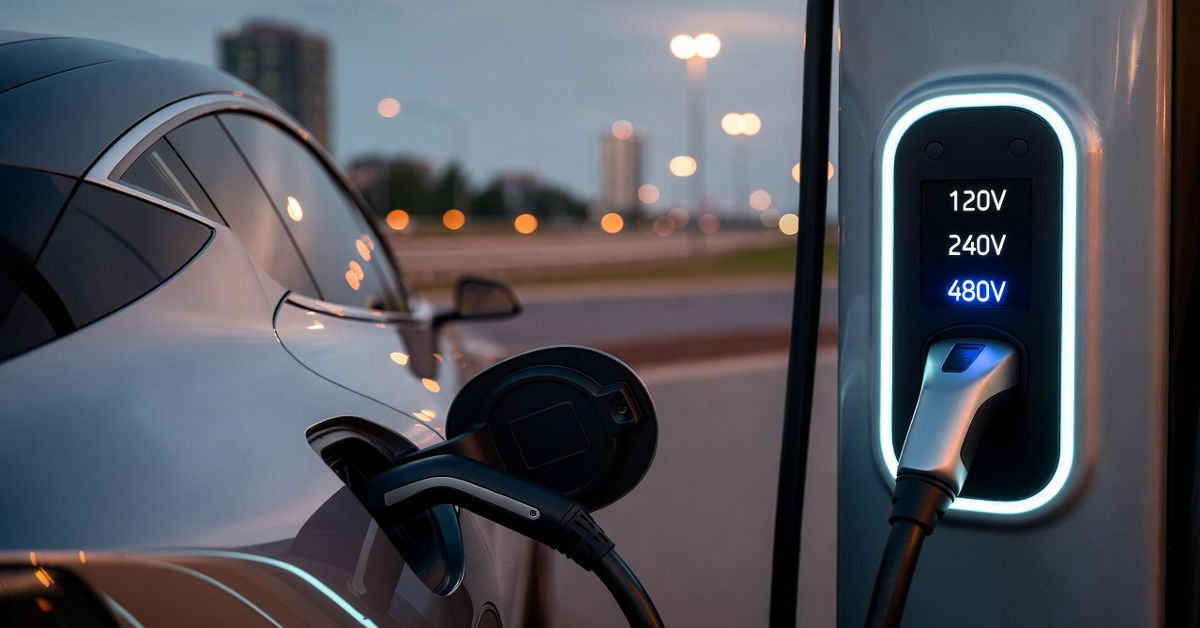
Electric vehicles (EVs) are no longer a futuristic concept in the United States. Over the past decade, the EV market has expanded rapidly as consumers look for cleaner transportation, lower fuel costs, and advanced driving technology. However, one factor continues to influence buying decisions more than any other — access to reliable charging infrastructure.
Understanding EV charging network reviews in the USA helps drivers choose the best charging providers while also reducing range anxiety. With multiple networks competing to offer faster speeds, wider coverage, and better pricing, selecting the right service can dramatically improve the overall EV ownership experience.
This expert guide evaluates the most trusted charging networks in America, examines their strengths and weaknesses, and explains what drivers should consider before committing to a charging ecosystem.
Why EV Charging Networks Matter More Than Ever
The success of electric mobility depends heavily on charging availability. Unlike traditional gasoline vehicles that can refuel in minutes almost anywhere, EV drivers must plan charging stops carefully — especially during long-distance travel.
Charging networks serve as the backbone of the EV industry by offering dependable locations where drivers can recharge quickly and safely. A strong network reduces travel stress, shortens charging time, and improves convenience for both urban commuters and highway travelers.
Several factors determine the quality of a charging network:
-
Geographic coverage
-
Charging speed
-
Station reliability
-
Pricing transparency
-
Mobile app usability
-
Customer support
Drivers increasingly rely on professional reviews and real user feedback to identify which networks deliver consistent performance.
Major EV Charging Networks in the USA
The United States hosts several well-established charging providers that continue expanding infrastructure nationwide. The following table highlights the most recognized networks and their core features.
Leading EV Charging Networks Overview
| Charging Network | Founded | Charger Type | Coverage Strength | Ideal For |
|---|---|---|---|---|
| Tesla Supercharger | 2012 | DC Fast Charging | Excellent highway coverage | Tesla drivers |
| Electrify America | 2017 | Ultra-fast DC | Strong metro + highway presence | Long-distance travel |
| ChargePoint | 2007 | Level 2 + DC | Extremely widespread | Daily commuters |
| EVgo | 2010 | DC Fast | Urban-focused | City drivers |
| Blink | 2009 | Level 2 + DC | Growing network | Workplace & retail charging |
Each provider offers a different balance between speed, accessibility, and pricing, making reviews essential before choosing where to charge regularly.
Tesla Supercharger Network Review
Tesla built one of the world’s most reliable charging infrastructures, designed specifically to complement its vehicles. The Supercharger network is widely praised for uptime, seamless navigation integration, and rapid charging speeds.
One of the biggest advantages is plug-and-charge simplicity. Drivers do not need apps, cards, or authentication — the vehicle communicates directly with the charger.
Tesla Supercharger Key Metrics
| Feature | Details |
|---|---|
| Average Charging Speed | Up to 250 kW |
| Reliability Rate | Very high |
| Typical Charging Time | 15–30 minutes |
| Payment Method | Automatic billing |
| Network Size | Tens of thousands of connectors |
Industry experts frequently rank Tesla highest in customer satisfaction because of its consistent performance. However, the network primarily benefits Tesla owners, although select stations are gradually opening to other EV brands.
Pros:
-
Exceptional reliability
-
Fast charging
-
Easy user experience
Cons:
-
Limited compatibility (improving slowly)
-
Premium pricing in some regions
Electrify America Review
Electrify America emerged as a major player with the mission of accelerating EV adoption across the country. It focuses heavily on ultra-fast charging capable of adding hundreds of miles in under an hour.
Drivers often encounter Electrify America stations along interstate highways, making them ideal for road trips.
Electrify America Performance Snapshot
| Category | Rating |
|---|---|
| Charging Speed | Excellent |
| Station Availability | High |
| App Experience | Good |
| Pricing Clarity | Moderate |
| Reliability | Improving yearly |
The network supports multiple vehicle brands and offers membership plans that can lower charging costs.
Pros:
-
Extremely fast chargers
-
Strong highway presence
-
Compatible with most EVs
Cons:
-
Occasional station outages reported
-
Pricing structure can be confusing for first-time users
Overall, reviews suggest Electrify America is one of the best choices for non-Tesla drivers seeking fast nationwide coverage.
ChargePoint Network Review
ChargePoint operates one of the largest charging footprints in North America. Instead of owning every station, the company provides hardware and software to businesses that host chargers.
This decentralized model results in massive availability but can create variations in pricing and maintenance quality.
ChargePoint Network Highlights
| Feature | Information |
|---|---|
| Charger Variety | Level 2 dominant |
| Best Use Case | Overnight or workplace charging |
| Network Reach | Extensive |
| Pricing | Set by station owners |
| App Features | Advanced location tools |
ChargePoint is particularly valuable for daily charging rather than rapid highway stops.
Pros:
-
Huge number of locations
-
Ideal for routine charging
-
Smart mobile app
Cons:
-
Charging speeds vary widely
-
Costs differ by location
For drivers who prioritize convenience near home or work, ChargePoint often ranks among the most practical solutions.
EVgo Network Review
EVgo specializes in fast charging within densely populated metropolitan areas. Its stations frequently appear near shopping centers, grocery stores, and entertainment districts — allowing drivers to recharge while completing errands.
EVgo Service Overview
| Metric | Insight |
|---|---|
| Charging Type | DC Fast |
| Urban Coverage | Excellent |
| Renewable Energy Usage | High commitment |
| Average Session Time | 30–45 minutes |
| Membership Options | Available |
EVgo also invests heavily in renewable energy offsets, appealing to environmentally conscious drivers.
Pros:
-
Strong city coverage
-
Sustainability focus
-
Reliable fast chargers
Cons:
-
Less rural availability
-
Pricing sometimes higher than competitors
EVgo reviews are particularly positive among apartment residents who cannot install home chargers.
Blink Charging Review
Blink continues expanding through partnerships with municipalities, hotels, and employers. While it may not match the scale of larger networks, it plays an important role in destination charging.
Blink Network Summary
| Feature | Status |
|---|---|
| Growth Rate | Rapid |
| Primary Locations | Retail & workplaces |
| Charging Speed | Mostly Level 2 |
| User Accessibility | Good |
| Future Expansion | Strong pipeline |
Blink is best suited for drivers planning longer parking durations rather than quick refueling stops.
Pros:
-
Increasing presence
-
Convenient destination chargers
-
Simple activation
Cons:
-
Limited ultra-fast options
-
Coverage still developing
Comparing Charging Costs Across Networks
Pricing remains one of the most discussed topics in EV charging network reviews in the USA. Costs typically depend on electricity rates, charging speed, and local regulations.
Average Public Charging Costs
| Charging Type | Typical Price Range | Charging Time |
|---|---|---|
| Level 2 | $0.15 – $0.30 per kWh | 4–8 hours |
| DC Fast | $0.30 – $0.60 per kWh | 20–60 minutes |
| Ultra-Fast | $0.40 – $0.70 per kWh | 15–40 minutes |
While fast charging costs more, it provides unmatched convenience during travel.
Experts recommend combining home charging with public infrastructure to achieve the lowest annual fueling expenses.
Reliability: The Most Important Review Factor
Speed and price matter, but reliability ultimately shapes driver trust. Arriving at a broken charger can disrupt travel plans and create unnecessary stress.
Recent industry surveys show reliability improving nationwide as providers invest in maintenance and real-time monitoring technology.
Drivers can improve their experience by:
-
Checking station status before arrival
-
Keeping multiple charging apps installed
-
Planning backup locations
-
Avoiding extremely low battery levels
These simple habits significantly reduce the chances of inconvenience.
Mobile Apps and User Experience
Modern charging networks rely heavily on smartphone apps for navigation, payment, and availability updates.
The best apps provide:
-
Live charger status
-
Route planning
-
Price estimates
-
Session tracking
-
Digital payment
User-friendly software is becoming a competitive advantage, and networks continue upgrading digital platforms to attract new customers.
How Government Support Is Expanding Charging Access
Federal and state initiatives are accelerating infrastructure deployment across the country. Public funding programs aim to create a convenient charging station every few miles along major highways.
This expansion supports broader EV adoption while strengthening consumer confidence in electric transportation.
Experts predict the number of public chargers will multiply significantly over the next decade, making EV ownership practical for even more households.
Tips for Choosing the Best Charging Network
Selecting the right charging provider depends largely on driving habits and geographic location.
Consider these factors before deciding:
-
Do you commute daily or travel frequently?
-
Are chargers available near your home?
-
Does the network support fast charging?
-
Are membership discounts offered?
-
Is the app easy to use?
Many experienced EV owners use multiple networks to maximize flexibility.
The Future of EV Charging in America
The charging landscape is evolving rapidly. Emerging technologies promise faster charging speeds, smarter energy distribution, and improved station reliability.
Innovations expected in the near future include:
-
Megawatt charging for larger vehicles
-
Wireless charging development
-
AI-powered station diagnostics
-
Solar-integrated charging hubs
-
Vehicle-to-grid energy sharing
As competition intensifies, drivers will benefit from better service quality and more transparent pricing.
Final Verdict: Which EV Charging Network Is Best?
There is no universal winner because each network serves different needs.
Tesla remains the gold standard for reliability and simplicity. Electrify America excels in high-speed highway travel. ChargePoint dominates everyday accessibility. EVgo shines in urban environments, while Blink continues building destination charging options.
For most drivers, the smartest strategy is diversification — combining home charging with two or more public networks ensures convenience wherever the road leads.
As infrastructure continues expanding, EV charging network reviews in the USA will remain an essential resource for drivers seeking efficiency, affordability, and peace of mind.

One thought on “EV charging network reviews USA”