Introduction
EV battery lifecycle analysis UK is transforming the automotive industry and contributing to national climate goals. However, understanding the lifecycle of EV batteries—from raw material extraction to recycling—is essential to evaluate their true environmental and economic impact.
What is EV Battery Lifecycle Analysis?
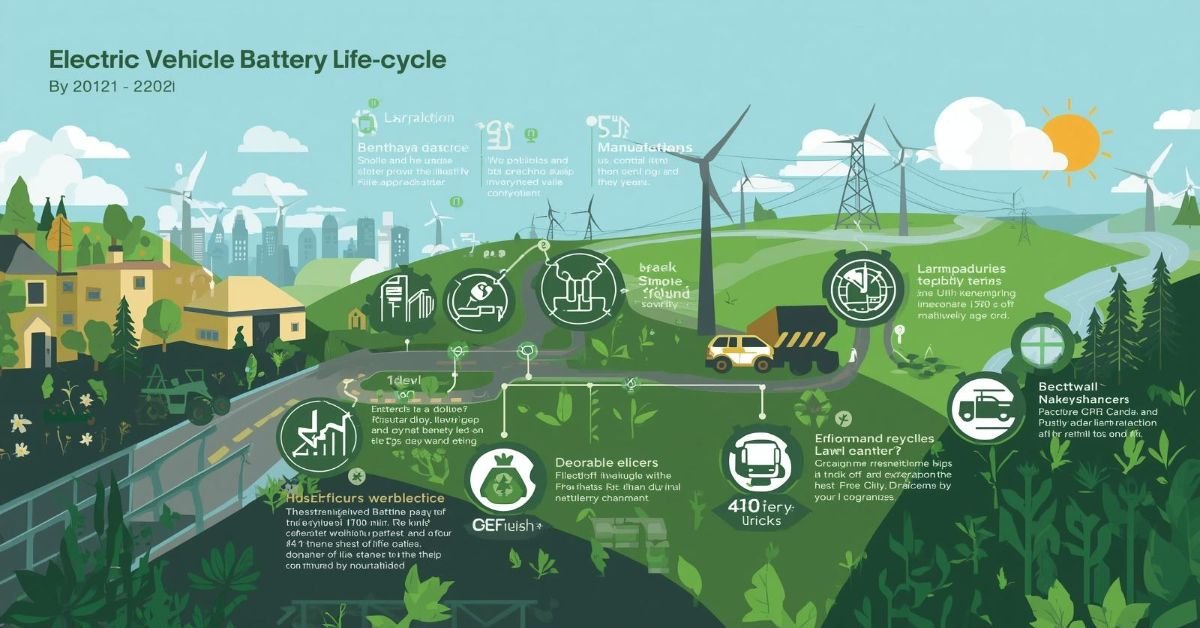
EV battery lifecycle analysis (LCA) examines the environmental footprint and cost implications of a battery across its entire lifespan. This includes:
- Raw material extraction
- Manufacturing and assembly
- Usage phase (charging and driving)
- End-of-life recycling or disposal
Lifecycle analysis helps policymakers, manufacturers, and consumers make informed decisions aligned with sustainability goals.
Stage 1: Raw Material Extraction
EV batteries rely on materials such as lithium, cobalt, nickel, and graphite. These are often sourced globally, which raises environmental and ethical concerns.
Key Impacts:
- High energy consumption in mining
- Water usage and ecosystem disruption
- Carbon emissions from transportation
UK Perspective:
The UK imports most battery materials, making supply chains critical. Efforts are underway to secure sustainable sourcing and reduce dependency.
Read more:Future of EV Charging Stations UK
Stage 2: Battery Manufacturing
Battery production is the most carbon-intensive stage in the lifecycle.
| Factor | Impact Level | Description |
|---|---|---|
| Energy Consumption | High | Gigafactories require significant electricity |
| Carbon Emissions | High | Depends on energy source (renewable vs fossil) |
| Cost Contribution | 30–40% | Largest cost component in EV production |
UK Developments:
The UK is investing in gigafactories powered by renewable energy to reduce emissions during production.
Stage 3: Usage Phase
During operation, EV batteries produce zero tailpipe emissions, making them environmentally advantageous compared to internal combustion engines.
Benefits:
- Lower greenhouse gas emissions
- Reduced air pollution in cities
- Lower running costs
UK Electricity Mix Impact:
The UK’s increasing reliance on renewable energy significantly reduces the lifecycle emissions of EVs.
| Energy Source | Share (Approx.) | Impact on EV Emissions |
|---|---|---|
| Renewable Energy | 40–50% | Lowers emissions |
| Nuclear | 15–20% | Stable low emissions |
| Fossil Fuels | 30–35% | Higher emissions |
Stage 4: End-of-Life and Recycling
EV batteries typically last 10–15 years. After their automotive life, they can be repurposed or recycled.
Options:
- Second-Life Applications
- Energy storage systems
- Grid balancing
- Recycling
- Recovery of lithium, cobalt, nickel
- Reduction in raw material demand
Read more:Longest EV Range Sedans in the USA
Recycling Efficiency Table:
| Material | Recovery Rate (%) | Importance |
|---|---|---|
| Lithium | 70–90% | Battery performance |
| Cobalt | 90–95% | Cost and sustainability |
| Nickel | 80–90% | Energy density |
UK Initiatives:
The UK government is supporting advanced recycling technologies to build a circular battery economy.
Environmental Impact Comparison
| Vehicle Type | Lifecycle Emissions (g CO₂/km) | Key Insight |
|---|---|---|
| Petrol Car | 250–300 | High emissions |
| Diesel Car | 200–250 | Moderate emissions |
| Electric Vehicle (UK) | 60–100 | Significantly lower |
Conclusion: Even when accounting for battery production, EVs in the UK produce substantially fewer emissions over their lifetime.
Economic Considerations
Cost Breakdown of EV Battery Lifecycle:
| Stage | Cost Contribution | Notes |
|---|---|---|
| Raw Materials | 20–30% | Price volatility affects costs |
| Manufacturing | 30–40% | Major cost driver |
| Usage | Low | Cheaper charging vs fuel |
| Recycling | Emerging | Costs decreasing with innovation |
Challenges in the UK EV Battery Lifecycle
- Limited domestic raw material sources
- High initial production emissions
- Recycling infrastructure still developing
- Battery degradation concerns
Future Trends and Innovations
1. Solid-State Batteries
- Higher energy density
- Safer and longer lifespan
2. Improved Recycling Technologies
- Higher recovery rates
- Lower environmental impact
3. Localized Supply Chains
- Reduced dependence on imports
- Lower carbon footprint
4. Renewable-Powered Manufacturing
- Significant emission reductions
Conclusion
EV battery lifecycle analysis in the UK demonstrates that electric vehicles are a more sustainable alternative to traditional cars, despite challenges in production and raw material sourcing. With ongoing advancements in recycling, renewable energy integration, and battery technology, the environmental impact of EV batteries will continue to decline.
The UK’s commitment to a net-zero future positions it as a leader in sustainable EV adoption, making lifecycle analysis a crucial tool in shaping policies and consumer awareness.
