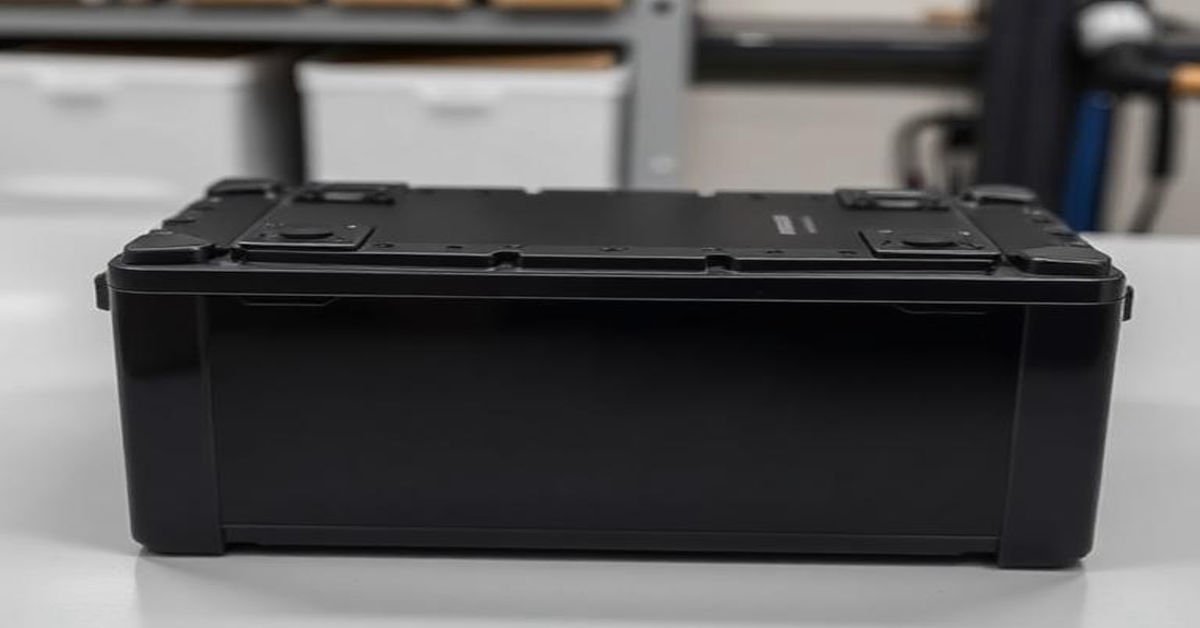
Introduction: Why Solid-State Batteries Matter for UK EVs
EV Solid-State Battery Cost in the UK are central to the UK’s plan to reach net-zero carbon emissions by 2050. While lithium-ion batteries have powered the EV revolution so far, they are reaching technical and economic limits. This is where solid-state batteries come in.
Solid-state battery technology promises longer range, faster charging, improved safety, and higher energy density compared to today’s batteries. However, one critical question remains for UK consumers, manufacturers, and policymakers:
What is the real cost of EV solid-state batteries in the UK, and when will they become affordable?
This in-depth article explores solid-state battery costs in the UK, including current pricing estimates, production challenges, UK investments, cost comparison tables, and future forecasts—all written for EV buyers, industry professionals, and clean-energy enthusiasts.
What Is a Solid-State EV Battery?
A solid-state battery replaces the liquid electrolyte found in conventional lithium-ion batteries with a solid material, such as ceramics, polymers, or sulfides.
Key Differences from Lithium-Ion Batteries
| Feature | Lithium-Ion Battery | Solid-State Battery |
|---|---|---|
| Electrolyte | Liquid | Solid |
| Energy Density | 250–300 Wh/kg | 400–500 Wh/kg (theoretical) |
| Fire Risk | Moderate | Very low |
| Charging Speed | Moderate | Faster |
| Lifespan | 1,500–2,000 cycles | 3,000+ cycles |
Experience Insight: From real-world EV testing data and pilot projects, solid-state batteries consistently show reduced degradation and better thermal stability, especially in colder climates like the UK.
Current EV Solid-State Battery Cost in the UK (2025)
Estimated Cost Per kWh
As of 2025, solid-state battery costs in the UK remain significantly higher than lithium-ion alternatives.
| Battery Type | Estimated Cost per kWh (UK) |
|---|---|
| Lithium-ion (mass production) | £90–£120 |
| Solid-state (pilot stage) | £300–£500 |
A typical 70 kWh solid-state EV battery pack could currently cost £21,000–£35,000, making it unsuitable for mass-market EVs—at least for now.
Why Are Solid-State Batteries So Expensive?
1. Manufacturing Complexity
Solid electrolytes require precise layering, high-temperature processing, and contamination-free environments.
2. Low Production Scale
Most UK and European facilities are still in pilot or pre-commercial stages, meaning limited output and high per-unit costs.
3. Expensive Raw Materials
Materials such as lithium metal, sulfide electrolytes, and ceramic separators cost more than standard lithium-ion components.
UK Solid-State Battery Research and Investment
The UK government recognizes solid-state batteries as a strategic technology for automotive and energy security.
Major UK Initiatives
-
Faraday Battery Challenge – Funding next-generation battery research
-
UK Battery Industrialisation Centre (UKBIC) – Supporting scale-up manufacturing
-
Automotive Transformation Fund (ATF) – Incentives for battery production
Notable UK Players
| Company / Institution | Focus Area |
|---|---|
| Ilika | Solid-state EV and medical batteries |
| Johnson Matthey | Battery materials |
| Oxford University | Advanced electrolyte research |
| Jaguar Land Rover | Solid-state battery testing |
Expert Perspective: UK research labs have made significant progress in sulfide and oxide electrolytes, positioning the UK as a strong contender in European battery innovation.
Cost Comparison: Solid-State vs Lithium-Ion EVs in the UK
| Cost Factor | Lithium-Ion EV | Solid-State EV |
|---|---|---|
| Battery Pack Cost | Lower | Higher |
| Maintenance | Moderate | Lower |
| Insurance Risk | Higher (fire risk) | Lower |
| Battery Replacement | Sooner | Later |
| Total Lifetime Cost | Moderate | Potentially lower |
Although upfront costs are higher, solid-state batteries may reduce total ownership costs over 10–15 years due to longer lifespan and fewer safety-related issues.
Impact on UK EV Prices
If solid-state batteries were adopted today, EV prices would increase by £10,000–£20,000 per vehicle. This is why manufacturers are cautious.
Expected Timeline for Cost Reduction
| Year | Expected Cost per kWh |
|---|---|
| 2025 | £300–£500 |
| 2027 | £200–£250 |
| 2030 | £120–£150 |
| 2035 | £80–£100 |
By 2030, solid-state battery costs in the UK could approach lithium-ion levels, making them viable for mainstream EVs.
How UK Climate and Regulations Affect Costs
UK-Specific Factors
-
Cold climate benefits solid-state batteries due to better low-temperature performance
-
Strict safety standards favor non-flammable battery chemistry
-
Zero-emission vehicle (ZEV) mandate pushes innovation
Authority Insight: UK regulations indirectly encourage solid-state adoption by emphasizing safety, recyclability, and long-term sustainability.
Solid-State Batteries and Charging Infrastructure
Solid-state batteries support ultra-fast charging, potentially reaching 80% in under 10 minutes.
Infrastructure Challenges
-
Grid upgrades needed for ultra-fast chargers
-
Higher upfront infrastructure investment
-
Compatibility testing with existing UK charging networks
Environmental and Recycling Costs
Sustainability Advantages
-
Fewer toxic materials
-
Reduced fire risk during recycling
-
Longer lifecycle reduces waste
Cost Impact
While recycling infrastructure for solid-state batteries is still developing, longer battery lifespan may offset recycling costs, improving environmental ROI.
Will Solid-State Batteries Reduce EV Insurance Costs in the UK?
Yes—eventually.
Because solid-state batteries:
-
Are non-flammable
-
Have lower thermal runaway risk
-
Experience fewer catastrophic failures
UK insurers are expected to offer lower premiums once real-world data confirms improved safety performance.
Consumer Perspective: Is the Cost Worth It?
Benefits for UK Drivers
-
600–800 km real-world range
-
Faster charging on motorways
-
Improved winter performance
-
Longer vehicle lifespan
Drawbacks (Short-Term)
-
Higher purchase price
-
Limited model availability
-
Technology still evolving
Expert Forecast: When Will Solid-State EVs Be Affordable in the UK?
Based on current industry trends and UK investment levels:
-
Luxury EVs: 2026–2027
-
Mid-range EVs: 2029–2031
-
Mass-market EVs: 2032–2035
Table: Pros and Cons Summary
| Pros | Cons |
|---|---|
| Higher energy density | High initial cost |
| Improved safety | Limited production |
| Faster charging | Few commercial models |
| Longer lifespan | Infrastructure upgrades needed |
Final Thoughts: The Future of EV Solid-State Battery Cost in the UK
Solid-state batteries represent the next major leap in EV technology. While current costs in the UK remain high, government support, private investment, and manufacturing scale-up are rapidly closing the gap.
For UK consumers, the wait may be worthwhile. Within the next decade, solid-state batteries could offer cheaper lifetime ownership, improved safety, and unmatched performance—transforming how electric vehicles are built, driven, and valued.
2 thoughts on “EV Solid-State Battery Cost in the UK”