Introduction
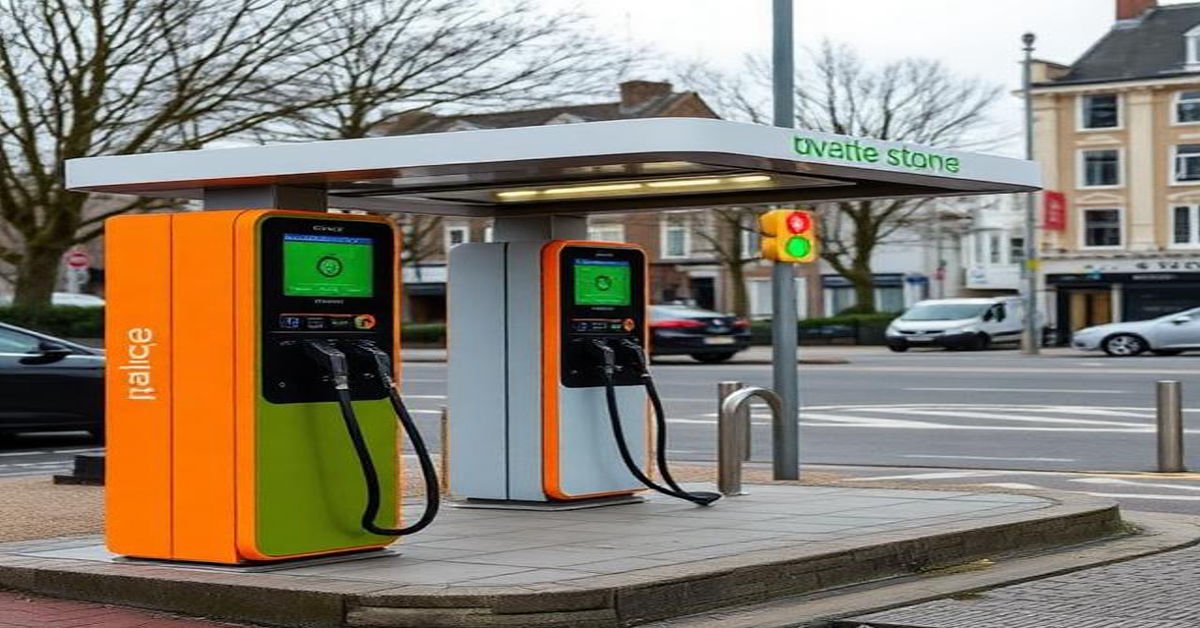
The United Kingdom is moving rapidly toward an electric mobility future, and fast charge public stations in the UK are at the center of this transformation. With the government’s commitment to ban the sale of new petrol and diesel cars and increasing adoption of electric vehicles (EVs), reliable and accessible fast charging infrastructure has become essential. Drivers today expect charging to be quick, convenient, and available wherever they travel—on motorways, in cities, at shopping centers, and near workplaces.
What Are Fast Charge Public Stations in the UK?
Fast charge public stations, also known as rapid or ultra-rapid chargers, are high-power electric vehicle charging points that significantly reduce charging time compared to standard chargers. While a typical home charger delivers 7 kW and may take 6–8 hours to fully charge an EV, fast charge public stations in the UK usually provide 50 kW, 100 kW, 150 kW, or even 350 kW of power.
These chargers are designed primarily for on-the-go charging, enabling drivers to add substantial range in a short time. Most modern EVs can charge from 10% to 80% in 20–40 minutes when connected to a rapid or ultra-rapid public station.
Why Fast Charge Public Stations Matter in the UK
The importance of fast charge public stations in the UK goes beyond convenience. They address several critical challenges in the EV ecosystem:
• Supporting long-distance travel
• Reducing range anxiety
• Enabling EV ownership for people without home charging
• Encouraging commercial fleet electrification
• Supporting national net-zero carbon targets
Without a robust network of fast public chargers, EV adoption would slow, especially among urban residents and motorway users.
Types of Fast Charge Public Stations in the UK
The UK charging network is diverse, offering multiple charging speeds and connector types. Understanding these categories helps drivers choose the right charger for their vehicle.
| Charging Type | Power Output | Typical Charging Time | Best Use Case |
|---|---|---|---|
| Rapid DC Charger | 50 kW | 30–60 minutes | City charging, short motorway stops |
| Ultra-Rapid DC Charger | 100–150 kW | 20–40 minutes | Motorway service areas |
| High-Power Charger | 250–350 kW | 15–25 minutes | Future-ready EVs, premium models |
Each category serves a different driver need, but together they form the backbone of fast charge public stations in the UK.
Major Operators of Fast Charge Public Stations in the UK
The UK’s fast charging network is operated by a mix of private companies, energy providers, and infrastructure specialists. These operators invest heavily in reliability, coverage, and user experience.
| Operator | Coverage Area | Key Features |
|---|---|---|
| Gridserve | Motorways, retail hubs | Ultra-rapid chargers, green energy focus |
| Instavolt | Nationwide | High reliability, contactless payments |
| Ionity | Motorway corridors | 350 kW ultra-fast charging |
| BP Pulse | Urban and motorway | Large network, app-based access |
| Shell Recharge | Service stations | Integrated with fuel stations |
These companies play a critical role in expanding fast charge public stations across the UK.
Where Are Fast Charge Public Stations Located in the UK?
Fast charge public stations in the UK are strategically placed to support everyday driving and long journeys.
Motorway Service Areas
Most UK motorways now feature rapid or ultra-rapid charging hubs. Locations on the M1, M6, M25, M4, and other major routes allow EV drivers to travel long distances with confidence.
Urban Centers
Cities such as London, Manchester, Birmingham, and Bristol offer fast chargers in car parks, shopping centers, and council-managed locations, supporting residents without off-street parking.
Retail and Commercial Areas
Supermarkets, retail parks, and business hubs increasingly host fast charge public stations, allowing drivers to charge while shopping or working.
Transport Hubs
Airports, train stations, and park-and-ride facilities now include fast chargers to support travelers and fleet vehicles.
Charging Connectors Used in the UK
Compatibility is essential when using fast charge public stations in the UK. Most chargers support multiple connector types.
| Connector Type | Common Vehicles | Charging Speed |
|---|---|---|
| CCS (Combined Charging System) | Most modern EVs | Fast to ultra-fast |
| CHAdeMO | Older Nissan models | Rapid |
| Type 2 AC (limited fast use) | Plug-in hybrids | Moderate |
CCS has become the UK standard for fast DC charging, ensuring future compatibility.
Cost of Using Fast Charge Public Stations in the UK
Charging costs vary depending on the operator, location, and charging speed. On average, fast charge public stations in the UK cost more than home charging but offer unmatched convenience.
| Charging Speed | Typical Cost per kWh |
|---|---|
| 50 kW Rapid | £0.60 – £0.75 |
| 100–150 kW Ultra-Rapid | £0.70 – £0.85 |
| 250–350 kW High-Power | £0.75 – £0.90 |
Many stations support contactless card payments, making charging simple and transparent.
User Experience and Reliability
From real-world EV driver experience, reliability has become one of the most important factors. Leading fast charge public stations in the UK now focus on:
• High uptime and maintenance
• Clear pricing and payment methods
• Well-lit, safe locations
• Multiple charging bays to reduce waiting
Networks like Instavolt and Gridserve are often praised for consistent performance and ease of use.
Government Support and Regulations
The UK government actively supports the expansion of fast charge public stations through funding and policy measures.
• Rapid Charging Fund for motorway infrastructure
• Local authority grants for urban charging
• Regulations requiring new developments to include EV chargers
These initiatives ensure long-term growth and standardization of fast charging across the UK.
Environmental Impact of Fast Charging
Fast charge public stations in the UK increasingly use renewable energy sources, including solar and wind. Operators like Gridserve focus on net-zero energy supply, reducing the overall carbon footprint of EV charging.
By enabling faster adoption of electric vehicles, these stations contribute significantly to improved air quality and reduced greenhouse gas emissions.
Challenges Facing Fast Charge Public Stations in the UK
Despite progress, challenges remain:
• Grid capacity limitations in rural areas
• High installation costs
• Inconsistent charger availability in some regions
• Peak-time congestion at popular sites
Ongoing investment and smart grid solutions are addressing these issues.
Future of Fast Charge Public Stations in the UK
The future looks promising. Over the next decade, the UK is expected to see:
• More ultra-rapid hubs with 350 kW chargers
• Better integration with renewable energy
• Improved EV battery technology reducing charge times
• Smarter apps for real-time charger availability
Fast charge public stations in the UK will become faster, more reliable, and more accessible.
Practical Tips for Using Fast Charge Public Stations
• Plan journeys using EV charging apps
• Charge from 10% to 80% for best efficiency
• Avoid peak times when possible
• Use contactless payment for convenience
These practices help maximize the benefits of fast public charging.
Conclusion
Fast charge public stations in the UK are a cornerstone of the nation’s electric vehicle transition. They provide the speed, convenience, and confidence drivers need to embrace electric mobility fully. With strong government backing, private investment, and continuous technological improvements, the UK’s fast charging network is becoming one of the most advanced in Europe.
For EV owners, understanding how fast charge public stations work—and how to use them effectively—ensures smoother journeys and better charging experiences. As infrastructure continues to expand, fast charging will no longer be a concern but a seamless part of everyday driving.
3 thoughts on “Fast Charge Public Stations UK”