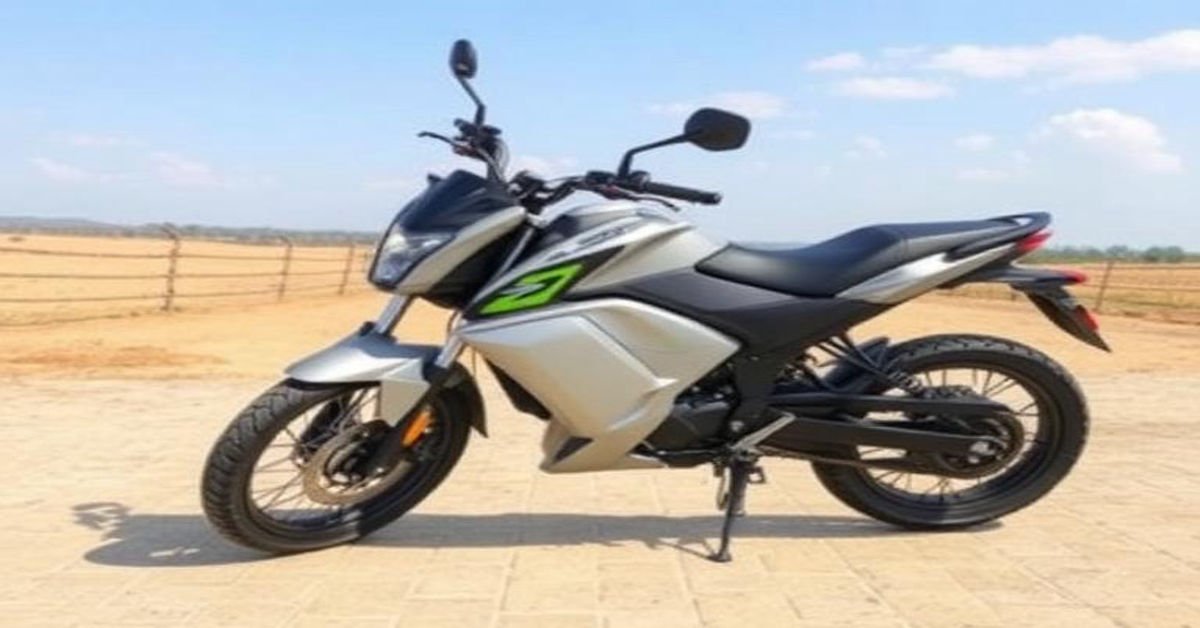
Introduction
The electric vehicle (EV) revolution in India is moving at an unprecedented pace. From electric cars and buses to electric scooters and bikes, the shift toward clean mobility is no longer a future concept—it is happening right now. Among the most searched topics in recent years is the “400 km range electric bike in India.” Riders are eager for long-range electric two-wheelers that can rival petrol motorcycles in convenience, performance, and cost efficiency.
But is a 400 km range electric bike truly available in India today? Or is it still a concept under development? In this in-depth article, we explore the current reality, emerging technologies, expected launches, and future potential of long-range electric bikes in India.
This guide is written to help Indian EV enthusiasts, commuters, and investors understand what a 400 km electric bike really means, how close we are to achieving it, and what consumers should realistically expect.
Understanding Electric Bike Range: What Does 400 km Mean?
Electric bike range refers to the maximum distance a bike can travel on a single full charge under ideal conditions. However, range is influenced by several factors:
-
Battery capacity (kWh)
-
Motor efficiency
-
Riding speed
-
Road conditions
-
Rider weight
-
Weather and temperature
A claimed 400 km range usually represents ideal test conditions, not real-world city riding.
Real-World vs Claimed Range
| Condition | Expected Range |
|---|---|
| Ideal test conditions | 350–400 km |
| Mixed city & highway use | 250–300 km |
| Aggressive riding | 200–230 km |
Understanding this difference helps buyers make informed decisions and avoid unrealistic expectations.
Current Status: Are 400 km Range Electric Bikes Available in India?
As of now, no mass-market electric bike in India officially offers a true 400 km real-world range. However, several manufacturers have announced high-range electric bikes that come close under specific conditions.
Why 400 km Range Is Challenging Today
-
Battery weight increases significantly beyond 8–10 kWh
-
High battery cost affects affordability
-
Charging time becomes longer
-
Heat management becomes complex
Despite these challenges, Indian EV startups and global brands are actively working toward this milestone.
Electric Bikes in India with the Longest Claimed Range
Below is a comparison table of electric bikes and scooters in India that offer the highest claimed range as of today.
Table: Longest Range Electric Two-Wheelers in India
| Model | Claimed Range | Battery Capacity | Charging Time |
|---|---|---|---|
| Ultraviolette F77 | Up to 307 km | 10.3 kWh | ~7 hours |
| Simple One | Up to 236 km | 5 kWh | ~5 hours |
| Ola S1 Pro | Up to 195 km | 4 kWh | ~6.5 hours |
| Matter Aera | Up to 172 km | 5 kWh | ~5 hours |
| Revolt RV400 | Up to 150 km | 3.24 kWh | ~4.5 hours |
👉 Key Insight: Reaching a 400 km range will require battery capacities above 12–15 kWh, which is currently uncommon in two-wheelers.
Technology Behind a 400 km Range Electric Bike
Achieving a 400 km range is not just about increasing battery size. It involves a combination of advanced technologies.
1. High-Energy Density Batteries
New battery chemistries such as:
-
Lithium-ion NMC
-
Lithium-iron-phosphate (LFP)
-
Solid-state batteries (future)
These allow more energy storage without adding excessive weight.
2. Regenerative Braking
Regenerative braking recovers energy during deceleration and stores it back in the battery, increasing overall efficiency.
3. Aerodynamic Design
Low drag body design helps reduce energy consumption at higher speeds, especially on highways.
4. Smart Battery Management Systems (BMS)
Advanced BMS optimizes charging, discharging, and thermal control to improve range and battery life.
Upcoming 400 km Range Electric Bikes in India (Expected)
Several Indian and international EV brands have hinted at ultra-long-range electric bikes.
Expected Developments
-
Concept electric motorcycles with 12–15 kWh batteries
-
Highway-focused electric touring bikes
-
Modular or swappable high-capacity batteries
Table: Expected Future Electric Bikes
| Brand | Expected Range | Status |
|---|---|---|
| Ultraviolette (Future models) | 350–400 km | Concept stage |
| Tork Motors | 300+ km | Under development |
| Global EV brands | 400+ km | Testing phase |
These models are likely to arrive between 2026 and 2028, depending on battery cost reduction and infrastructure readiness.
Charging Infrastructure: A Key Factor
Even if a bike offers 400 km range, charging convenience is critical.
Current Scenario in India
-
Rapid growth of public EV chargers in metro cities
-
Home charging remains the most reliable option
-
Fast charging for two-wheelers is still limited
Charging Time for Large Batteries
| Battery Size | Normal Charging | Fast Charging |
|---|---|---|
| 8 kWh | 6–7 hours | 2–3 hours |
| 12 kWh | 8–10 hours | 3–4 hours |
| 15 kWh | 10–12 hours | 4–5 hours |
A 400 km electric bike will likely support fast-charging technology to remain practical.
Cost Expectations of a 400 km Range Electric Bike
High range comes at a cost.
Estimated Price Range
| Component | Cost Impact |
|---|---|
| Large battery pack | High |
| Advanced electronics | Medium |
| Premium motor | Medium |
| Overall bike cost | ₹4–6 lakh (expected) |
This places long-range electric bikes closer to premium petrol motorcycles rather than entry-level commuters.
Environmental and Economic Benefits
Despite higher upfront cost, long-range electric bikes offer significant long-term advantages.
Environmental Benefits
-
Zero tailpipe emissions
-
Reduced air and noise pollution
-
Lower carbon footprint
Economic Benefits
-
Very low running cost (₹0.15–₹0.25 per km)
-
Minimal maintenance
-
No fuel price volatility
Over a period of 5–7 years, electric bikes can be more economical than petrol bikes, even in the premium segment.
Is a 400 km Range Electric Bike Practical for India?
Pros
-
Ideal for highway touring
-
Eliminates range anxiety
-
Suitable for intercity travel
Cons
-
Higher purchase cost
-
Heavier battery weight
-
Longer charging time
For most urban riders, a 200–300 km range is already more than sufficient. A 400 km range electric bike is best suited for enthusiasts, tourers, and premium users.
Consumer Tips Before Buying a Long-Range Electric Bike
-
Check real-world range, not just claimed figures
-
Evaluate charging options at home and nearby
-
Understand battery warranty and replacement cost
-
Compare software features and safety systems
-
Consider service network availability
The Future of 400 km Electric Bikes in India
With falling battery prices, government incentives, and rapid innovation, 400 km range electric bikes will become a reality in India within the next few years.
Key enablers include:
-
Solid-state batteries
-
Faster charging technology
-
Improved energy efficiency
-
Expanded charging infrastructure
India is on track to become one of the largest two-wheeler EV markets in the world, and long-range electric bikes will play a major role in that journey.
Conclusion
The idea of a 400 km range electric bike in India is no longer science fiction—it is a near-future reality. While no mainstream model currently offers this range in real-world conditions, the technology is advancing rapidly. Early adopters can already experience 250–300 km ranges, and the next generation of electric bikes will push the boundaries even further.
For Indian riders seeking sustainability, performance, and long-term savings, long-range electric bikes represent the future of mobility.

One thought on “400 km Range Electric Bike in India”