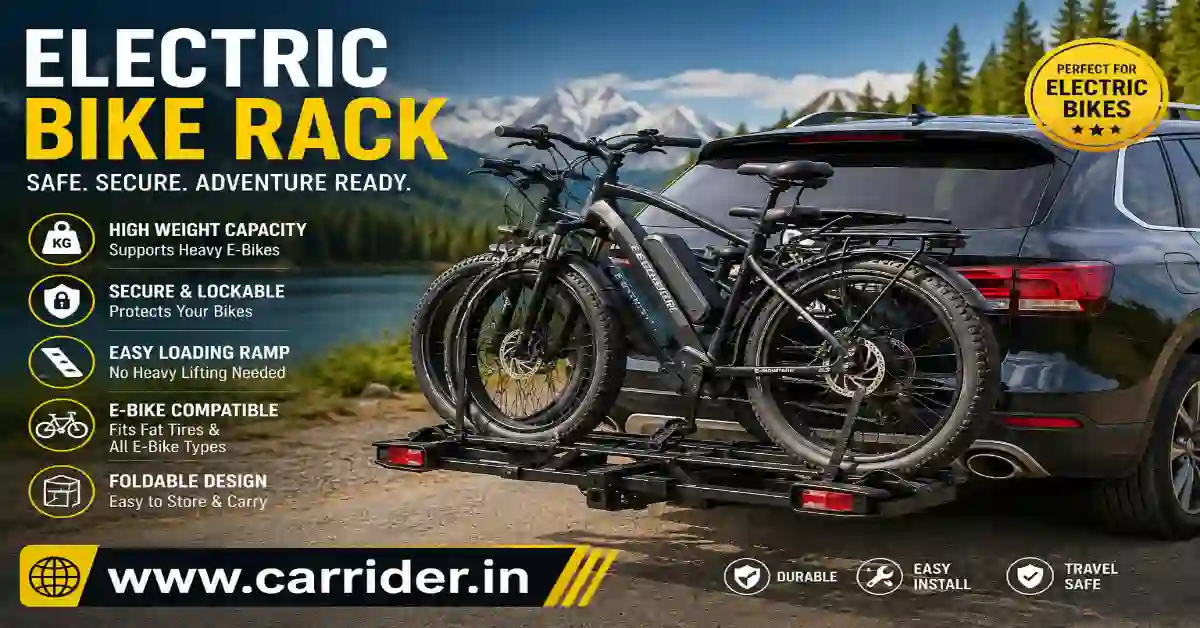
Electric Bike Rack is one of the most important accessories for anyone who owns an e-bike. Since electric bikes are heavier than traditional bicycles due to their motors and batteries, they require specially designed racks that can safely support their weight during transportation.
Whether you’re planning a weekend cycling adventure, a road trip, or simply transporting your e-bike to a repair shop, choosing the right electric bike rack ensures safety, convenience, and peace of mind.
In this comprehensive guide, we’ll explain the different types of electric bike racks, their features, benefits, buying considerations, installation tips, maintenance advice, and frequently asked questions.
Why You Need an Electric Bike Rack
Unlike standard bicycles, electric bikes typically weigh between 45 and 80 pounds (20–36 kg). This extra weight makes ordinary bicycle racks unsuitable in many cases.
A dedicated electric bike rack offers:
- Better weight capacity
- Improved stability
- Secure locking systems
- Easy loading ramps
- Protection against bike damage
- Compatibility with wider tires and longer wheelbases
Using the correct rack also helps prevent accidents and reduces stress on your vehicle.
Types of Electric Bike Racks
| Rack Type | Best For | Pros | Cons |
|---|---|---|---|
| Hitch-Mounted Platform Rack | Most e-bike owners | High weight capacity, stable | Requires trailer hitch |
| Hanging Hitch Rack | Lightweight e-bikes | Affordable | Less suitable for heavy bikes |
| Roof Rack | Small e-bikes | Saves rear access | Difficult lifting |
| Trunk Rack | Occasional use | Budget-friendly | Often not suitable for heavy e-bikes |
| Pickup Truck Bed Rack | Truck owners | Excellent stability | Limited to pickup vehicles |
Among these, platform hitch racks are generally considered the safest choice for electric bikes.
Benefits of an Electric Bike Rack
Choosing the right rack provides several advantages.
Safe Transportation
A quality rack minimizes movement while driving, reducing the chance of scratches or damage.
Easy Loading
Many premium racks include loading ramps, allowing users to roll heavy electric bikes onto the rack instead of lifting them.
Improved Security
Built-in locking systems help deter theft when parked.
Vehicle Protection
Proper racks keep bikes away from your vehicle’s paintwork and windows.
Long-Distance Reliability
Electric bike racks are designed to handle highway speeds and long road trips.
Key Features to Look For
Before purchasing an electric bike rack, evaluate these important features.
| Feature | Why It Matters |
|---|---|
| Weight Capacity | Must support your e-bike safely |
| Hitch Compatibility | Fits your vehicle’s receiver size |
| Tire Width Support | Important for fat tire e-bikes |
| Folding Design | Saves storage space |
| Tilting Function | Allows rear hatch access |
| Integrated Locks | Adds bike security |
| Loading Ramp | Makes loading easier |
How Much Weight Can an Electric Bike Rack Hold?
Weight capacity varies depending on the model.
| Rack Category | Typical Capacity |
|---|---|
| Standard Bike Rack | 30–40 lbs per bike |
| Electric Bike Rack | 60–80 lbs per bike |
| Heavy-Duty Rack | Up to 100 lbs per bike |
Always remove the battery before transport whenever recommended by the manufacturer. This reduces overall weight and may improve rack stability.
How to Choose the Best Electric Bike Rack
Consider the following factors before making your purchase.
1. Vehicle Compatibility
Check whether your vehicle has:
- 1.25-inch hitch
- 2-inch hitch
- Roof rails
- Pickup bed
- SUV rear access
2. Number of Bikes
Decide whether you need capacity for:
- One bike
- Two bikes
- Three bikes
- Four bikes
Families often benefit from two-bike or four-bike racks.
3. Bike Weight
Verify your e-bike’s total weight with the battery installed.
4. Wheel Size
Some racks support:
- 20-inch folding bikes
- 26-inch mountain bikes
- 29-inch bikes
- Fat tire e-bikes
Installation Tips
Installing an electric bike rack correctly is essential.
- Read the manufacturer’s instructions.
- Tighten all bolts securely.
- Check hitch pin installation.
- Secure wheel straps.
- Lock the frame.
- Test rack stability before driving.
Always perform a quick inspection before every trip.
Safety Tips When Transporting an Electric Bike
Following these safety practices helps protect both your bike and vehicle.
- Remove loose accessories.
- Take off the battery if recommended.
- Secure all straps firmly.
- Avoid exceeding weight limits.
- Check tire straps after driving a few miles.
- Drive carefully over rough roads.
Electric Bike Rack Maintenance
Routine maintenance extends the life of your rack.
| Maintenance Task | Recommended Frequency |
|---|---|
| Tighten bolts | Monthly |
| Lubricate moving joints | Every 3 months |
| Inspect straps | Before each trip |
| Clean road salt | After winter trips |
| Check locks | Monthly |
Regular maintenance ensures reliable performance year after year.
Common Mistakes to Avoid
Many new owners make avoidable mistakes.
Using a Standard Bicycle Rack
Traditional bike racks may not support heavy electric bikes safely.
Ignoring Weight Ratings
Overloading a rack increases the risk of failure.
Forgetting Battery Removal
Removing the battery can reduce weight significantly and lower stress on the rack.
Improper Strap Tightening
Loose straps allow unnecessary movement during transport.
Electric Bike Rack vs Standard Bike Rack
| Feature | Electric Bike Rack | Standard Bike Rack |
|---|---|---|
| Weight Capacity | High | Moderate |
| Tire Support | Wide tires | Standard tires |
| Loading Ramp | Often available | Rare |
| Frame Support | Heavy-duty | Basic |
| E-bike Compatible | Yes | Sometimes |
Who Should Buy an Electric Bike Rack?
An electric bike rack is ideal for:
- E-bike commuters
- Mountain bikers
- Weekend cyclists
- RV travelers
- Camping enthusiasts
- Families with multiple electric bikes
If you transport your e-bike regularly, investing in a purpose-built rack is worthwhile.
Conclusion
An electric bike rack is a valuable investment for anyone who owns an e-bike. Because electric bikes are heavier and often more expensive than traditional bicycles, using a rack specifically designed for their weight and dimensions improves safety, protects your equipment, and makes transportation much easier.
Before buying, compare weight capacity, vehicle compatibility, loading features, locking systems, and overall build quality. Choosing a durable, well-designed electric bike rack will provide years of reliable service, whether you’re commuting, exploring scenic trails, or embarking on long-distance cycling adventures.
Frequently Asked Questions
Can I use a regular bike rack for an electric bike?
Not always. Many standard racks cannot safely support the weight of an electric bike. Always verify the rack’s weight rating.
Should I remove my e-bike battery during transport?
Many manufacturers recommend removing the battery before transport. This reduces weight and helps protect the battery from vibration.
What is the safest electric bike rack?
Platform-style hitch-mounted racks are generally considered the safest and most stable option for heavy electric bikes.
Can electric bike racks carry fat tire bikes?
Yes. Many modern electric bike racks are designed to accommodate wider tires commonly found on fat tire e-bikes.
Are electric bike racks waterproof?
Most racks are built with weather-resistant materials, but regular cleaning and maintenance help prevent corrosion.

One thought on “Electric Bike Rack Buying Guide 2026”