Introduction
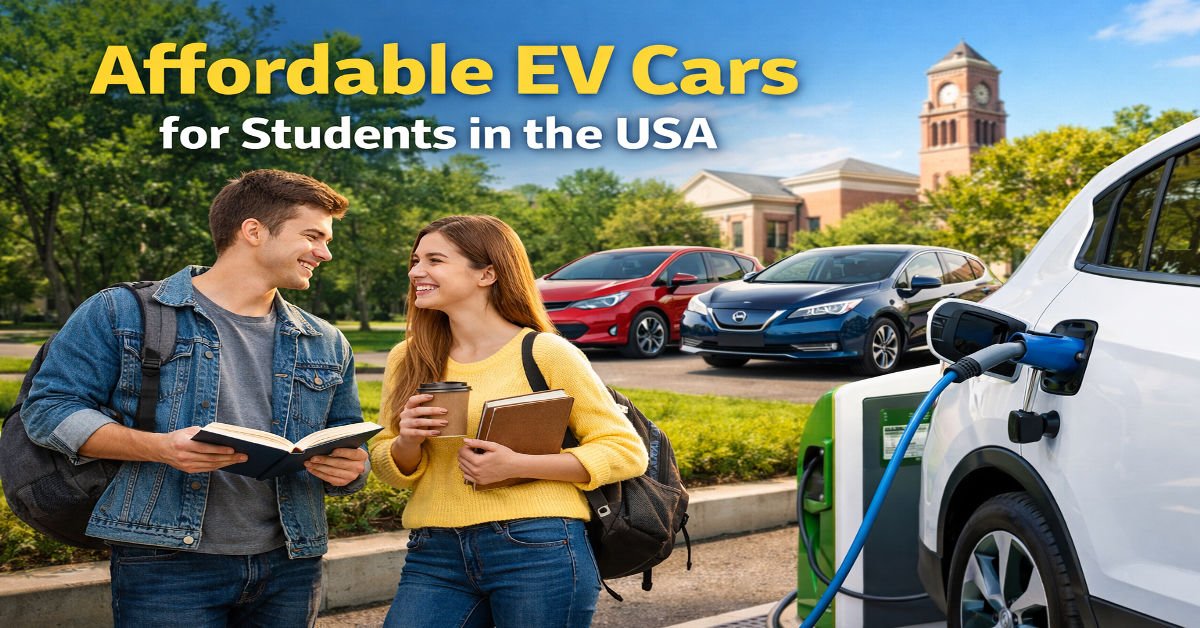
Electric vehicles (EVs) are no longer limited to luxury buyers or tech enthusiasts. In recent years, affordable EV cars have become a realistic option for students in the USA who want low running costs, eco-friendly transportation, and modern features without breaking their budget. With rising fuel prices, increasing awareness about climate change, and government incentives, EVs are emerging as a smart and practical choice for college and university students.
This detailed guide explores the most affordable EV cars for students in the USA, explains ownership costs, charging options, incentives, and provides expert advice to help students make a confident purchase decision.
Why EV Cars Make Sense for Students
Students usually look for vehicles that are affordable, reliable, easy to maintain, and economical in the long run. EV cars meet all these requirements.
From real-world ownership experience, EVs require fewer repairs because they have fewer moving parts than gasoline cars. There is no engine oil, no spark plugs, and no exhaust system. This significantly reduces maintenance expenses, which is a major advantage for students on tight budgets.
Electricity is also much cheaper than gasoline in most US states. Charging an EV at home or on campus often costs just a few dollars, compared to weekly fuel expenses for traditional cars.
Key Factors Students Should Consider Before Buying an EV
Before choosing an electric car, students should evaluate more than just the purchase price.
Budget and Total Cost of Ownership
The sticker price is important, but students should also consider charging costs, insurance, maintenance, and depreciation.
Driving Range
Most students commute short distances between campus, home, and part-time jobs. A range of 150–250 miles is usually more than enough.
Charging Availability
Access to campus charging stations, home charging, or public chargers plays a big role in daily convenience.
Incentives and Tax Credits
Federal and state incentives can significantly reduce the effective cost of an EV.
Best Affordable EV Cars for Students in the USA
The following table highlights some of the most student-friendly EV cars available in the US market based on price, range, and overall value.
Affordable EV Cars Comparison Table
| EV Model | Starting Price (Approx.) | Driving Range | Ideal For Students Who Want |
|---|---|---|---|
| Nissan Leaf | $28,000 | 149–212 miles | Proven reliability and low maintenance |
| Chevrolet Bolt EV | $27,500 | 259 miles | Long range at an affordable price |
| Mini Cooper SE | $30,000 | 114 miles | Stylish city driving |
| Hyundai Kona Electric | $33,000 | 258 miles | Balanced performance and comfort |
| Tesla Model 3 (Used) | $25,000–30,000 | 260+ miles | Technology and resale value |
The prices above are before federal and state incentives, which can reduce costs further.
Nissan Leaf: A Budget-Friendly Classic
The Nissan Leaf is one of the most popular entry-level EVs in the United States. It has been on the market for many years and has built a strong reputation for reliability.
For students, the Leaf offers smooth handling, easy driving, and predictable ownership costs. It is particularly suitable for city commuting and campus travel.
Although the base version has a shorter range, it is more than sufficient for daily student needs. Charging overnight at home or campus stations easily covers regular use.
Chevrolet Bolt EV: Best Range for the Price
The Chevrolet Bolt EV stands out as one of the best affordable EV cars for students who need longer range. With over 250 miles on a single charge, it eliminates range anxiety completely.
Students who commute longer distances or travel between cities will appreciate this advantage. The Bolt EV also offers generous interior space, making it useful for carrying books, luggage, or even moving between dorms.
In real-world usage, Bolt EV owners report extremely low charging costs, making it one of the cheapest vehicles to operate monthly.
Mini Cooper SE: Stylish and Compact Choice
The Mini Cooper SE is ideal for students who prioritize style and urban driving. While its range is lower than other EVs, it excels in city environments where short trips are common.
Parking is easy, handling is sharp, and the interior quality is premium. For students living in urban campuses with abundant charging options, the Mini Cooper SE can be a fun and practical choice.
Hyundai Kona Electric: A Practical All-Rounder
The Hyundai Kona Electric combines good range, comfortable interiors, and modern safety features. It feels more like a traditional compact SUV, which appeals to students who want extra space and a higher driving position.
Its range makes it suitable for both daily commutes and weekend trips. Hyundai’s strong warranty coverage also adds trust and long-term peace of mind.
Used EV Cars: A Smart Option for Students
Buying a used EV can significantly reduce upfront costs. Many used electric cars are available in excellent condition due to lower wear and tear compared to gasoline vehicles.
Popular Used EV Choices for Students
| Used EV Model | Typical Price Range | Why It’s Student-Friendly |
|---|---|---|
| Used Nissan Leaf | $10,000–18,000 | Extremely affordable entry point |
| Used Chevy Bolt | $15,000–22,000 | Long range at a reduced price |
| Used Tesla Model 3 | $22,000–30,000 | Advanced tech and strong resale |
Used EVs may also qualify for used EV tax credits, depending on eligibility.
Charging Costs and Real Monthly Expenses
One of the biggest benefits of EV ownership for students is predictable and low running costs.
On average, charging an EV in the USA costs between $8 and $15 per full charge, depending on electricity rates. Many campuses offer free or discounted charging stations for students.
Compared to gasoline cars, this can save students hundreds of dollars every year.
EV Insurance Costs for Students
Insurance for EVs can sometimes be slightly higher due to repair costs and technology. However, many insurers offer discounts for safe driving, low mileage, and eco-friendly vehicles.
Students should compare multiple insurance providers and look for student-specific discounts.
Federal and State Incentives for EV Buyers
Government incentives play a crucial role in making EVs affordable for students.
Common Incentives Available
| Incentive Type | Benefit |
|---|---|
| Federal EV Tax Credit | Up to $7,500 |
| State EV Rebates | $1,000–5,000 (varies by state) |
| Campus Charging Benefits | Free or discounted charging |
Eligibility depends on income limits, vehicle model, and purchase type.
Environmental Benefits and Social Responsibility
Driving an EV helps reduce carbon emissions and air pollution. Many students value sustainability and environmental responsibility, and choosing an EV aligns with these values.
Universities across the USA actively promote green transportation, making EV ownership socially and environmentally rewarding.
Expert Tips for Students Buying Their First EV
From experience and industry insights, students should follow these tips:
-
Test drive multiple EV models before deciding
-
Check charging availability near campus and home
-
Calculate total ownership cost, not just the purchase price
-
Consider used EVs for better value
-
Verify incentive eligibility before purchase
These steps help avoid surprises and ensure a smooth ownership experience.
Common Myths About EV Cars for Students
Many students hesitate due to misconceptions.
EVs are not unreliable, batteries do not fail quickly, and charging is easier than most people think. Modern EV batteries are designed to last many years, often beyond the student’s ownership period.
Future of Affordable EVs for Students
The EV market is expanding rapidly. More affordable models, improved battery technology, and wider charging networks are expected in the coming years.
For students buying today, this means better resale value and ongoing improvements in EV infrastructure.
Final Thoughts
Affordable EV cars for students in the USA are no longer a future concept; they are a present-day reality. With lower running costs, government incentives, and increasing charging infrastructure, EVs offer excellent value for student drivers.
Whether choosing a new budget-friendly EV or a reliable used model, students can enjoy modern technology, environmental benefits, and long-term savings. By making an informed decision, EV ownership can become one of the smartest financial and lifestyle choices during student life.

2 thoughts on “Affordable EV Cars for Students in the USA: A Complete 2026 Buying Guide”