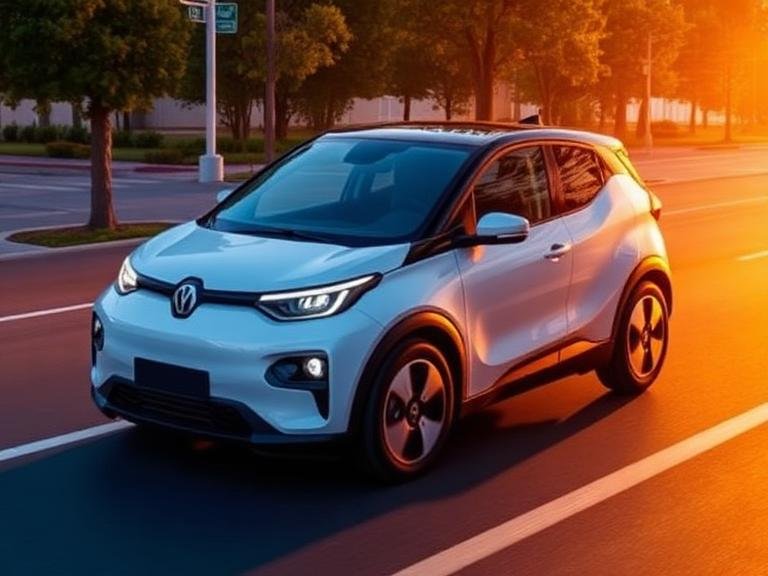
New Compact EV Cars Launching in the USA is entering an exciting new phase. While large electric SUVs and premium EVs dominated early adoption, a growing number of buyers are now looking for something more practical, affordable, and city-friendly. This shift has pushed automakers to focus on compact electric vehicles, a segment designed for everyday driving, easier parking, lower running costs, and improved efficiency.
New compact EV cars launching in the USA are expected to reshape how Americans think about electric mobility. These vehicles are smaller in size but big on technology, safety, and driving range. They are ideal for first-time EV buyers, urban commuters, young professionals, and families seeking a second car.
This article explores the upcoming compact EV launches in the USA, their expected features, pricing outlook, advantages, and what buyers should consider before choosing one. All information is presented in a clear, user-friendly manner to help you make an informed decision.
Why Compact EV Cars Are Gaining Popularity in the USA
Compact EVs are no longer seen as “entry-level compromises.” Instead, they are becoming smart choices for modern lifestyles. Several factors are driving their popularity across American cities and suburbs.
Rising fuel prices have made electric cars more attractive, especially vehicles that consume less energy per mile. Compact EVs are lighter and more aerodynamic, which helps them deliver better efficiency compared to larger electric SUVs or trucks.
Urbanization is another key reason. Many Americans now live in apartments or dense residential areas where parking space is limited. Compact EVs are easier to park, maneuver, and charge, making them ideal for city life.
Government incentives and tax credits also play a role. Many upcoming compact EVs are expected to qualify for federal or state-level incentives, reducing the effective purchase price for buyers.
Most importantly, advancements in battery technology mean compact EVs can now offer respectable driving ranges without increasing cost or size significantly.
What Defines a Compact EV Car?
A compact EV car typically falls between subcompact and midsize vehicles in size. These cars are designed to balance efficiency, comfort, and affordability without sacrificing essential features.
Key characteristics include a shorter overall length, lighter weight, and a smaller battery pack optimized for daily commuting. Despite their size, modern compact EVs often include advanced driver-assistance systems, touchscreen infotainment, connected car features, and fast-charging support.
The interior design focuses on maximizing space efficiency. Flat EV floors and clever storage solutions allow compact electric cars to feel roomier than traditional gasoline vehicles of similar size.
New Compact EV Cars Launching in the USA
Several automakers have announced or hinted at compact electric car launches aimed specifically at the US market. These models are expected to arrive between late 2024 and 2026, bringing more choice and competition.
The table below provides an overview of some notable upcoming compact EV cars expected to launch in the USA.
| Model Name | Expected Launch | Estimated Range | Target Price Segment | Key Highlights |
|---|---|---|---|---|
| Chevrolet Bolt (Next Gen) | 2025 | 250+ miles | Affordable | Improved design, faster charging |
| Tesla Compact EV (Rumored) | 2025–2026 | 250–300 miles | Budget-Mid | Tesla software, Supercharger access |
| Hyundai Casper EV (US Spec) | 2025 | 200–250 miles | Entry Level | Compact size, modern tech |
| Volkswagen ID.2 / ID.1 (US Adaptation) | 2026 | 250 miles | Affordable | European efficiency, solid build |
| Kia Small EV (Concept-Based) | 2025 | 250 miles | Budget | Youth-focused design, value pricing |
Each of these vehicles targets a different type of buyer, from budget-conscious commuters to tech-focused early adopters.
Chevrolet Bolt: A Familiar Name Returns
Chevrolet’s Bolt has already proven that compact EVs can succeed in the US market. The next-generation Bolt is expected to build on this success with a refreshed design, improved battery technology, and faster charging capabilities.
Chevrolet aims to position the new Bolt as one of the most affordable electric cars in the country. It is expected to appeal strongly to first-time EV buyers who want a trusted brand, reliable range, and low ownership costs.
The updated Bolt is likely to feature a modern interior with a larger touchscreen, enhanced safety features, and better software integration. Its compact footprint makes it ideal for city commuting while still offering enough range for daily use.
Tesla’s Compact EV: Disrupting the Entry-Level Segment
Tesla has hinted at developing a smaller and more affordable electric car aimed at a broader audience. Although official details remain limited, industry experts expect Tesla’s compact EV to launch in the USA within the next few years.
This model could redefine the compact EV segment by offering access to Tesla’s advanced software, over-the-air updates, and the extensive Supercharger network. If priced competitively, it may become one of the most popular compact EVs in the country.
Tesla’s focus on efficiency and minimalistic design could allow this compact model to deliver strong performance and range despite a smaller battery pack.
Hyundai and Kia: Compact EVs with Global Experience
Hyundai and Kia have gained global recognition for producing reliable and stylish electric vehicles. Their upcoming compact EV offerings are expected to reflect this experience while catering to US consumer preferences.
Hyundai’s compact EV models are known for smart packaging, clean design, and user-friendly technology. Kia, on the other hand, often targets younger buyers with bold styling and competitive pricing.
Both brands are expected to include fast-charging support, strong warranty coverage, and practical interior layouts, making their compact EVs attractive for everyday use.
European Influence: Volkswagen’s Compact EV Strategy
Volkswagen has been successful in developing compact EVs for European markets, and adapted versions are expected to reach the USA. These models emphasize efficiency, solid build quality, and balanced driving dynamics.
Volkswagen’s compact EVs are likely to focus on simplicity and reliability rather than flashy features. This approach can appeal to buyers looking for a dependable electric car with predictable ownership costs.
Expected Features in New Compact EV Cars
Despite their smaller size, upcoming compact EVs are expected to offer a wide range of features that were once reserved for premium vehicles.
Below is a table outlining common features buyers can expect.
| Feature Category | What to Expect | Buyer Benefit |
|---|---|---|
| Battery Technology | Lithium-ion or next-gen chemistry | Better range and longevity |
| Charging | Fast DC charging support | Reduced charging time |
| Safety | ADAS, airbags, stability control | Improved driver confidence |
| Infotainment | Touchscreens, smartphone integration | Enhanced driving experience |
| Connectivity | OTA updates, apps | Future-ready ownership |
These features ensure that compact EVs remain competitive and practical for modern drivers.
Real-World Driving Range and Efficiency
Compact EVs are designed primarily for daily commuting, which means their real-world range is optimized for city and suburban use. Most upcoming models aim to deliver between 200 and 300 miles on a single charge.
This range is more than sufficient for typical daily driving needs, including work commutes, errands, and short road trips. Improved regenerative braking systems also help maximize efficiency in stop-and-go traffic.
For many buyers, compact EVs offer the best balance between battery size, cost, and usability.
Cost of Ownership and Maintenance Benefits
One of the biggest advantages of compact EVs is their lower cost of ownership. Electric vehicles have fewer moving parts than gasoline cars, which translates into reduced maintenance requirements.
There are no oil changes, fewer brake replacements due to regenerative braking, and lower overall service costs. Compact EVs also consume less electricity per mile, further reducing operating expenses.
Insurance costs may also be lower for compact EVs compared to larger, more expensive electric vehicles.
Charging at Home and in Public
Charging convenience is a critical factor for EV adoption. Compact EVs typically support home Level 2 charging, allowing most owners to fully charge overnight.
Public charging infrastructure in the USA continues to expand, especially in urban areas. Many compact EVs support DC fast charging, enabling quick top-ups during longer trips.
Smaller battery packs also mean shorter charging times compared to larger EVs, which is an added convenience.
Environmental Impact and Sustainability
Compact EVs have a smaller environmental footprint compared to larger electric vehicles. They require fewer raw materials for battery production and consume less energy during operation.
As the US electricity grid continues to incorporate more renewable energy sources, the environmental benefits of compact EVs are expected to increase further.
For eco-conscious buyers, compact electric cars represent a practical and responsible transportation choice.
Who Should Buy a Compact EV Car?
Compact EVs are ideal for a wide range of buyers. City dwellers will appreciate their easy maneuverability and parking convenience. First-time EV buyers will benefit from their affordability and simplicity.
Families may find compact EVs suitable as second vehicles for daily errands and school runs. Retirees and seniors often prefer compact EVs due to their smooth driving experience and low maintenance needs.
Challenges to Consider Before Buying
While compact EVs offer many advantages, buyers should also consider potential limitations. Smaller vehicles may have less cargo space compared to SUVs. Some models may offer fewer customization options.
Charging access remains a consideration for apartment dwellers without dedicated parking. Buyers should evaluate local charging infrastructure before making a purchase.
The Future of Compact EV Cars in the USA
The future looks promising for compact EVs in the United States. As technology advances and production scales increase, prices are expected to become even more competitive.
Automakers are increasingly recognizing that compact EVs are essential for mass adoption. This segment is likely to see rapid innovation, improved range, and enhanced features in the coming years.
Final Thoughts
New compact EV cars launching in the USA represent a major step toward making electric mobility accessible to more people. They combine affordability, efficiency, and modern technology in a size that suits everyday life.
For buyers seeking a practical, eco-friendly, and cost-effective vehicle, compact electric cars are becoming one of the smartest choices in the evolving automotive market. As more models arrive, consumers will benefit from greater choice, better pricing, and improved overall value.

2 thoughts on “New Compact EV Cars Launching in the USA”