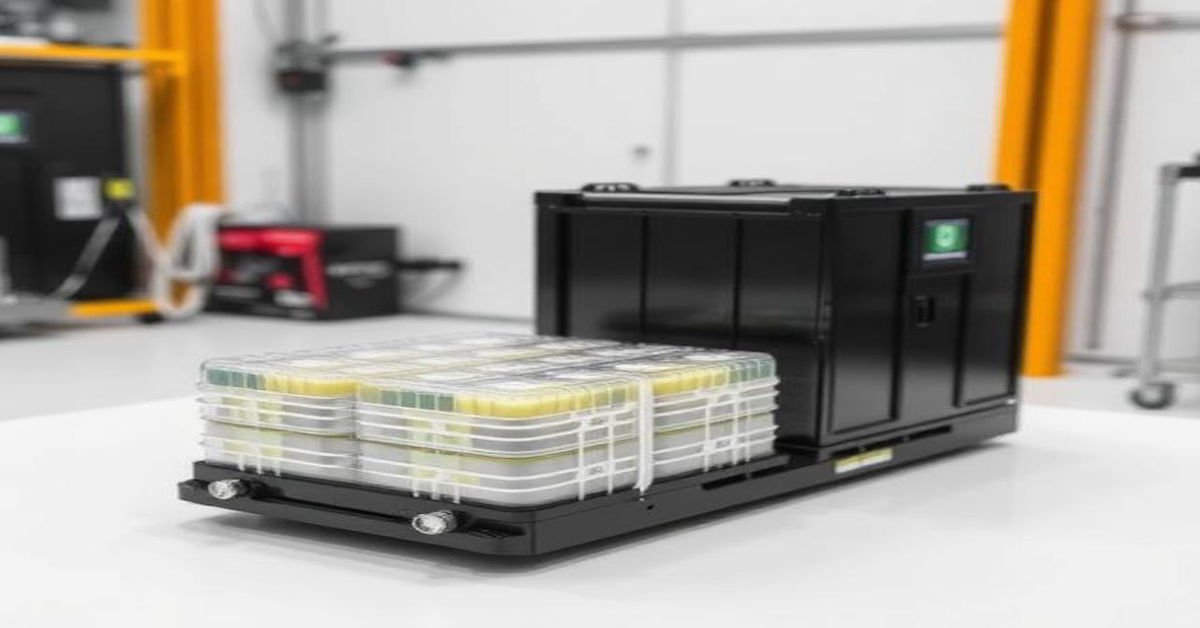
Electric vehicles are entering a defining decade, and 2026 is emerging as a pivotal year for battery innovation. Automakers, startups, and research institutions are unveiling new EV battery prototypes that promise faster charging, longer driving range, lower costs, and dramatically improved safety.
For years, lithium-ion batteries have powered the global EV transition. However, their limitations—energy density ceilings, thermal risks, charging speed bottlenecks, and supply chain challenges—have pushed engineers to rethink battery chemistry and architecture. The prototypes arriving in 2026 represent a generational leap rather than incremental upgrades.
This article provides an expert-driven, research-focused overview of the most promising EV battery prototypes expected to shape the market in 2026 and beyond.
Why 2026 Matters for EV Battery Development
Battery research typically takes 8–12 years from lab to commercialization. Many technologies first announced between 2016 and 2020 are now reaching advanced prototype or pre-production phases.
Three forces are accelerating deployment:
-
Rising EV demand worldwide
-
Government mandates for cleaner transportation
-
Intense competition among battery manufacturers
2026 is when several next-gen chemistries move out of experimental stages and into real vehicle testing.
Key EV Battery Prototypes Emerging in 2026
1. Solid-State Batteries
Solid-state batteries replace liquid electrolytes with solid materials, dramatically improving safety and energy density.
Major Advantages:
-
40–70% higher energy density
-
No leakage or fire-prone liquid electrolytes
-
Ultra-fast charging potential
-
Longer lifespan
| Feature | Lithium-Ion | Solid-State Prototype 2026 |
|---|---|---|
| Energy Density | 250-300 Wh/kg | 400-500 Wh/kg |
| Charging Time | 30-45 min | 10-15 min |
| Fire Risk | Moderate | Extremely low |
| Lifespan | 1,500 cycles | 3,000+ cycles |
Automakers targeting solid-state pilot vehicles in 2026 include Toyota, Nissan, BMW partners, and several US startups.
2. Silicon-Anode Batteries
Replacing graphite anodes with silicon significantly boosts energy storage capacity.
Benefits:
-
Up to 30% more range
-
Lightweight packs
-
Better fast-charge performance
| Parameter | Graphite Anode | Silicon-Anode Prototype |
|---|---|---|
| Capacity | 372 mAh/g | 1,200+ mAh/g |
| Range Boost | — | 20–30% |
| Degradation | Low | Improved via nano-coatings |
Many 2026 prototypes combine silicon with hybrid lithium chemistries.
3. Sodium-Ion Batteries
Sodium-ion technology is gaining attention as a cheaper, safer alternative to lithium.
Why it matters:
-
Abundant raw materials
-
Lower cost production
-
Better cold-weather performance
-
No reliance on rare metals
| Feature | Lithium-Ion | Sodium-Ion 2026 Prototype |
|---|---|---|
| Cost | High | 30–40% cheaper |
| Energy Density | High | Medium |
| Safety | Good | Excellent |
| Sustainability | Moderate | High |
Chinese and European manufacturers are pushing sodium packs for entry-level EVs by 2026.
4. Lithium-Sulfur Batteries
These batteries use sulfur instead of heavy metals in cathodes.
Advantages:
-
Extremely light
-
2× theoretical energy density
-
Lower environmental impact
| Metric | Li-Ion | Li-Sulfur Prototype |
|---|---|---|
| Weight | Heavy | Very light |
| Density | 300 Wh/kg | 600 Wh/kg potential |
| Cycle Life | Long | Improving rapidly |
2026 prototypes show major durability improvements that were previously a barrier.
5. Structural Battery Packs
A design innovation where batteries become part of the vehicle frame.
Benefits:
-
Reduced vehicle weight
-
Increased efficiency
-
Better space utilization
| Impact Area | Traditional Pack | Structural Pack 2026 |
|---|---|---|
| Vehicle Weight | Higher | Reduced 10–15% |
| Range | Normal | Extended |
| Chassis Complexity | Separate | Integrated |
Tesla-inspired architecture is influencing multiple 2026 prototypes.
Fast-Charging Breakthroughs
New battery prototypes focus heavily on extreme charging speeds.
Expected capabilities in 2026:
-
80% charge in under 10 minutes
-
High-voltage 900V+ architecture
-
Advanced thermal cooling layers
Safety Innovations in 2026 Batteries
Manufacturers are prioritizing:
-
Fire-proof electrolytes
-
Self-healing cells
-
Thermal isolation layers
-
AI-based battery monitoring
These upgrades are critical for consumer trust and regulatory approval.
Sustainability Improvements
2026 battery prototypes emphasize eco-friendly production:
-
Cobalt-free chemistries
-
Recyclable components
-
Reduced mining dependency
-
Lower carbon manufacturing
Challenges Still Facing 2026 Prototypes
Despite progress, hurdles remain:
-
Mass production scalability
-
High manufacturing cost
-
Limited charging infrastructure
-
Supply chain adaptation
Most technologies will debut in premium vehicles before trickling down.
Market Impact After 2026
Industry projections suggest:
| Year | Battery Cost Drop | Range Improvement |
|---|---|---|
| 2026 | −15% | +20% |
| 2027 | −25% | +35% |
| 2030 | −50% | +60% |
This will make EVs cheaper than petrol cars across many markets.
Expert Outlook
Battery engineers widely consider 2026 the start of the “post lithium-ion dominance” era. Solid-state and silicon-rich cells are expected to lead premium segments, while sodium-ion will transform affordable EVs.
The race is no longer just about range—it’s about charging speed, sustainability, safety, and lifecycle performance.
Conclusion
The new EV battery prototypes arriving in 2026 represent the biggest technological leap since the birth of modern electric vehicles. These innovations will redefine:
-
How far EVs can travel
-
How quickly they recharge
-
How safely they operate
-
How sustainably they are produced
As these prototypes move toward commercialization, the global EV landscape is set to accelerate faster than ever.
