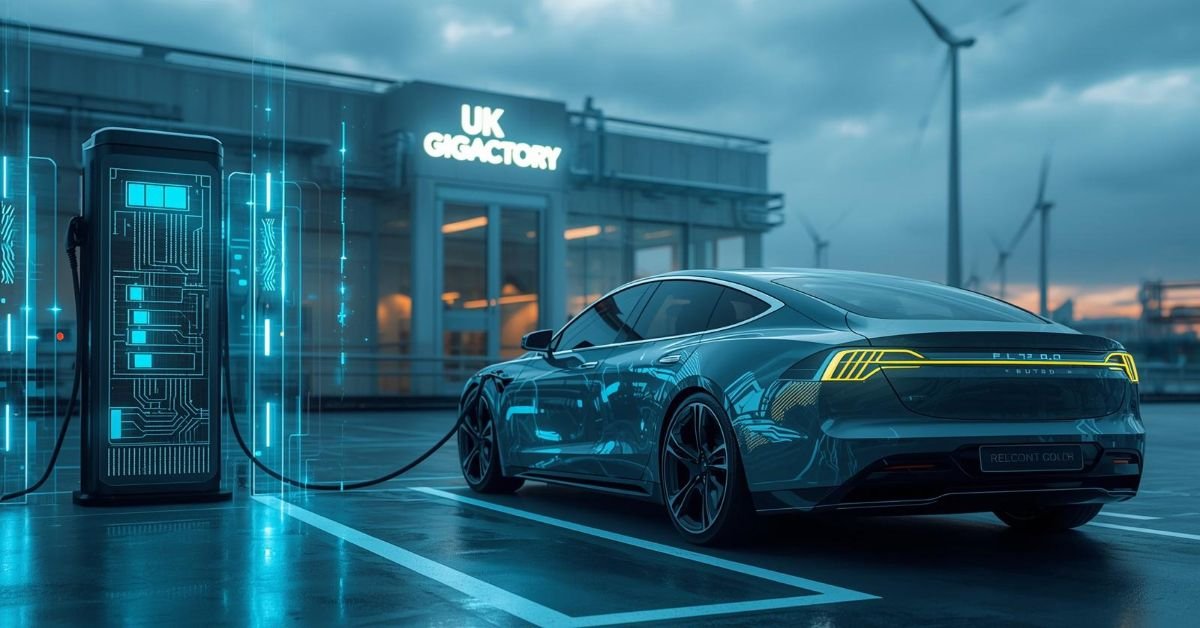
Latest Electric Car Battery Innovations in the UK is rapidly becoming a global leader in electric vehicle (EV) technology, particularly in the field of battery innovation. As governments, manufacturers, and research institutions push toward net-zero emissions, breakthroughs in electric car batteries are transforming not only how vehicles are powered but also how energy is stored, distributed, and reused. This article explores the latest electric car battery innovations in the UK, offering expert insights, real-world applications, and future trends that are shaping the EV ecosystem.
Introduction: Why Battery Innovation Matters
Electric car batteries are the backbone of the EV revolution. Their efficiency, cost, lifespan, and sustainability determine how quickly electric vehicles can replace internal combustion engines. In the UK, strong policy support, academic excellence, and private sector investment are accelerating battery innovation.
From solid-state batteries to battery recycling technologies, the UK is advancing solutions that promise longer driving ranges, faster charging times, and lower environmental impact.
The UK’s Role in the Global EV Battery Landscape
The UK has positioned itself as a hub for EV innovation through initiatives such as:
- Government-backed funding programs
- Collaboration between universities and automotive companies
- Establishment of battery gigafactories
- Focus on sustainable supply chains
Organizations like the Faraday Institution and the UK Battery Industrialisation Centre (UKBIC) are driving research and development, bridging the gap between laboratory breakthroughs and commercial deployment.
Read more:Solid-State EV Battery Testing in UK Labs
Key Innovations in Electric Car Batteries
1. Solid-State Batteries: The Next Big Leap
One of the most promising advancements in EV technology is the development of solid-state batteries.
What makes them different?
- Use solid electrolytes instead of liquid ones
- Higher energy density
- Improved safety (reduced fire risk)
- Faster charging capability
Benefits of Solid-State Batteries
| Feature | Traditional Lithium-Ion | Solid-State Batteries |
|---|---|---|
| Energy Density | Moderate | High |
| Charging Speed | متوسط | Fast |
| Safety | Risk of overheating | Safer |
| Lifespan | Limited cycles | Longer lifespan |
UK-based researchers are actively working on overcoming manufacturing challenges to make solid-state batteries commercially viable.
2. Lithium-Ion Battery Enhancements
While solid-state batteries are still in development, lithium-ion batteries continue to evolve.
Recent improvements include:
- Silicon anodes replacing graphite for higher capacity
- Advanced cathode materials for better performance
- Improved battery management systems (BMS)
Impact on EV Performance
- Increased driving range (up to 400+ miles)
- Reduced charging time
- Better durability in extreme temperatures
3. Fast-Charging Technology
Charging time remains a key concern for EV adoption. UK innovators are addressing this with ultra-fast charging solutions.
Key developments include:
- High-power charging stations (350 kW and above)
- Advanced cooling systems for batteries
- Smart charging algorithms
Charging Time Comparison
| Charging Type | Time to 80% Charge |
|---|---|
| Standard AC | 6–8 hours |
| Fast DC | 30–60 minutes |
| Ultra-Fast Charging | 10–20 minutes |
These advancements are making EVs more convenient for everyday users.
4. Battery Recycling and Second-Life Applications
Sustainability is a major focus in the UK’s EV strategy. Battery recycling technologies are being developed to recover valuable materials such as lithium, cobalt, and nickel.
Innovations include:
- Hydrometallurgical recycling processes
- Closed-loop battery systems
- Second-life use in energy storage
Benefits of Battery Recycling
- Reduces environmental impact
- Lowers dependency on raw material mining
- Supports circular economy
Read more:EV battery lifecycle analysis UK
5. Sodium-Ion Batteries: A Cost-Effective Alternative
Sodium-ion batteries are emerging as a viable alternative to lithium-ion technology.
Why sodium-ion?
- Abundant raw materials
- Lower production costs
- Reduced environmental impact
Although still in early stages, UK researchers are exploring sodium-ion batteries for future EV applications.
6. Wireless Charging Technology
Wireless EV charging is another innovative area gaining traction in the UK.
How it works:
- Inductive charging pads installed on roads or parking spaces
- Energy transferred without physical cables
Advantages
- Convenience for users
- Reduced wear on charging ports
- Potential for dynamic charging while driving
UK Gigafactories: Scaling Battery Production
To meet growing demand, the UK is investing in large-scale battery manufacturing facilities known as gigafactories.
Key Features
- High-volume battery production
- Integration with EV manufacturing plants
- Focus on sustainability and efficiency
Impact on the Economy
| Factor | Impact |
|---|---|
| Job Creation | Thousands of new jobs |
| Supply Chain | Strengthened local industry |
| Innovation | Accelerated R&D |
Gigafactories are essential for reducing reliance on imports and boosting domestic production.
Challenges Facing Battery Innovation
Despite rapid progress, several challenges remain:
1. Raw Material Supply
- Dependence on imported lithium and cobalt
- Ethical concerns around mining practices
2. Cost Barriers
- High initial investment in new technologies
- Expensive manufacturing processes
3. Infrastructure Limitations
- Need for more charging stations
- Grid capacity constraints
4. Technology Scalability
- Transitioning from lab research to mass production
- Maintaining quality and consistency
Government Policies and Support
The UK government is actively supporting EV battery innovation through:
- Grants and funding programs
- Incentives for EV adoption
- Regulations promoting zero-emission vehicles
Key Initiatives
- Ban on new petrol and diesel cars by 2035
- Investment in charging infrastructure
- Support for battery research institutions
Future Trends in EV Battery Technology
Looking ahead, several trends are expected to shape the future of electric car batteries in the UK:
1. Increased Energy Density
Batteries will store more energy in smaller sizes, enabling longer driving ranges.
2. Faster Charging Times
Charging could become as quick as refueling traditional vehicles.
3. AI-Driven Battery Management
Artificial intelligence will optimize battery performance and lifespan.
4. Integration with Renewable Energy
EV batteries will play a role in storing solar and wind energy.
Read more:EV charging network reviews USA
Case Study: Real-World Applications in the UK
Several UK-based projects demonstrate how battery innovations are being applied:
Urban Mobility Solutions
- Electric buses with fast-charging batteries
- Shared EV fleets powered by advanced battery systems
Energy Storage Systems
- Repurposed EV batteries used in grid storage
- Supporting renewable energy integration
Environmental Impact of Battery Innovations
Battery advancements are not just about performance—they also have significant environmental implications.
Positive Impacts
- Reduced greenhouse gas emissions
- Lower air pollution in urban areas
- Improved energy efficiency
Areas for Improvement
- Sustainable sourcing of materials
- Recycling infrastructure expansion
- Reducing carbon footprint of production
Comparison of Battery Technologies
| Technology | Status | Advantages | Limitations |
|---|---|---|---|
| Lithium-Ion | Widely used | Reliable, efficient | Resource constraints |
| Solid-State | Emerging | High energy density | High cost |
| Sodium-Ion | Developing | Low cost | Lower energy density |
| Hydrogen Fuel Cells | Alternative | Fast refueling | Limited infrastructure |
Expert Insights and Industry Perspectives
Industry experts believe that collaboration is key to advancing battery technology.
Key takeaways:
- Partnerships between academia and industry drive innovation
- Government support accelerates commercialization
- Consumer demand pushes technological improvements
Conclusion: The Road Ahead
Latest Electric Car Battery Innovations in the UK, with groundbreaking advancements that promise to redefine the future of transportation. From solid-state batteries to sustainable recycling methods, these innovations are addressing critical challenges and paving the way for widespread EV adoption.
As technology continues to evolve, the UK’s commitment to research, sustainability, and infrastructure development will ensure its position as a global leader in the EV revolution.

One thought on “Latest Electric Car Battery Innovations in the UK”