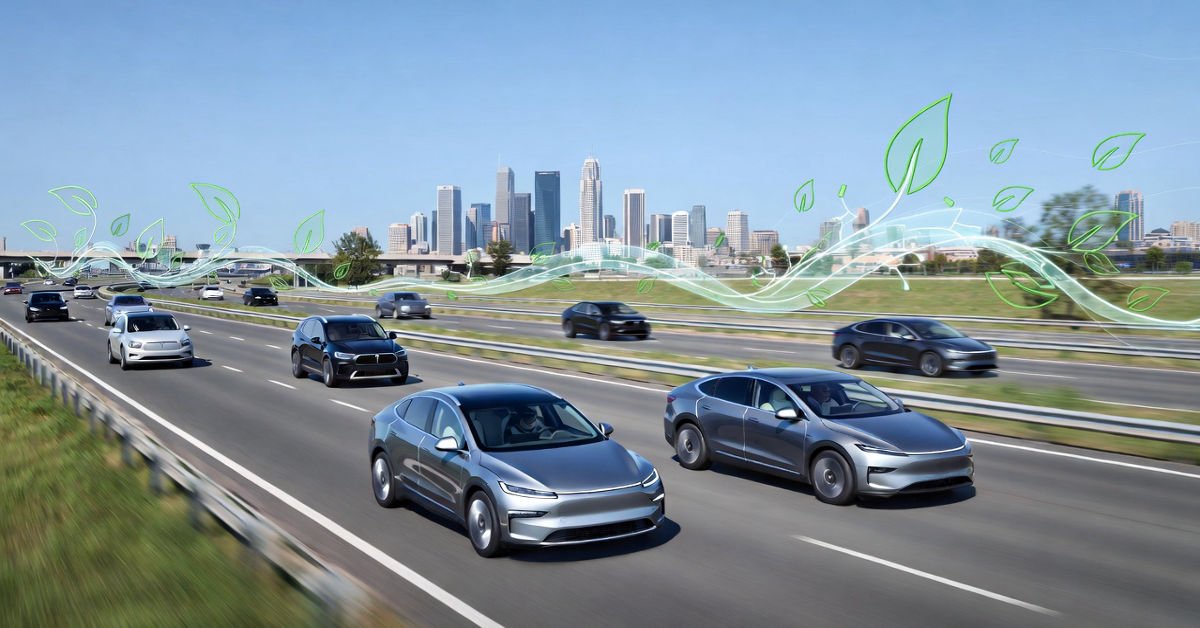
The automotive industry in the United States is undergoing a historic transformation. While fully electric vehicles (EVs) attract headlines, hybrid electric vehicles (HEVs) are quietly becoming the most practical and widely adopted solution for millions of American drivers. Rising fuel prices, environmental awareness, and government incentives have pushed hybrid cars into the mainstream. In 2026, hybrid EV cars are no longer a niche category—they represent a critical bridge between traditional gasoline vehicles and full electrification.
What Are Hybrid EV Cars?
Hybrid electric vehicles combine an internal combustion engine (ICE) with one or more electric motors and a battery pack. Unlike full EVs, hybrids do not rely solely on charging infrastructure, making them ideal for long-distance travel and areas with limited charging stations.
There are three main types of hybrids in the U.S. market:
| Hybrid Type | Description | Popular Examples |
|---|---|---|
| Mild Hybrid (MHEV) | Uses a small electric motor to assist the engine | Ford Maverick Hybrid |
| Full Hybrid (HEV) | Can run on electric power alone for short distances | Toyota Prius, Toyota Corolla Hybrid |
| Plug-in Hybrid (PHEV) | Battery can be charged externally and drives longer on electric mode | Toyota RAV4 Prime, Chrysler Pacifica Hybrid |
Each category appeals to different segments of American consumers, from city commuters to family drivers.
Market Growth of Hybrid EV Cars in the USA
The U.S. hybrid market has seen consistent growth over the last five years. Supply chain recovery, improved battery technology, and rising consumer trust have driven adoption rates higher.
| Year | Hybrid Vehicle Sales (USA) | Growth Trend |
|---|---|---|
| 2021 | 1.2 million units | Moderate |
| 2022 | 1.5 million units | Strong |
| 2023 | 1.8 million units | High |
| 2024 | 2.2 million units | Very High |
| 2025 | 2.6 million units (est.) | Rapid |
Hybrid EV cars now account for a significant share of new vehicle registrations, particularly in California, Texas, Florida, and New York.
Why Americans Are Choosing Hybrid Cars
Several factors explain why hybrids are gaining popularity in the United States:
Fuel Efficiency Without Range Anxiety
Hybrid vehicles deliver impressive mileage—often 45 to 60 miles per gallon—while still using gasoline. This eliminates the fear of running out of charge on long trips.
Lower Purchase Cost Than Full EVs
Hybrids generally cost less than fully electric vehicles and often qualify for federal and state incentives, making them financially attractive.
Environmental Responsibility
Hybrid cars emit fewer greenhouse gases than conventional gasoline vehicles, helping drivers reduce their carbon footprint without changing their lifestyle.
Reliable Technology
Hybrid systems have been on the road for more than two decades. Brands like Toyota and Honda have built strong reputations for durability and performance.
Top Hybrid EV Models Dominating the U.S. Market
American consumers show strong loyalty to trusted hybrid brands. The most popular hybrid vehicles in the USA include:
| Model | Category | Key Feature |
|---|---|---|
| Toyota Prius | Full Hybrid | Industry benchmark for efficiency |
| Toyota RAV4 Hybrid | SUV Hybrid | Family-friendly with AWD option |
| Honda CR-V Hybrid | SUV Hybrid | Smooth driving and strong resale value |
| Ford Escape Hybrid | SUV Hybrid | Affordable hybrid crossover |
| Hyundai Tucson Hybrid | SUV Hybrid | Advanced infotainment and safety tech |
SUV hybrids dominate current trends, reflecting American preferences for spacious and versatile vehicles.
Technological Innovations in Hybrid EV Cars
Hybrid technology is evolving rapidly. New trends focus on performance, battery efficiency, and driver experience.
Advanced Battery Systems
Modern hybrids use lithium-ion batteries instead of older nickel-metal hydride packs. These batteries are lighter, more efficient, and longer-lasting.
Smart Energy Management
AI-powered systems now determine when to switch between electric and gasoline power, maximizing efficiency based on road conditions and driving style.
Regenerative Braking Improvements
New regenerative braking technology captures more energy during deceleration, increasing battery recharge rates.
Connected Vehicle Features
Hybrids now include over-the-air updates, smartphone integration, and real-time fuel economy tracking.
Government Policies and Incentives Supporting Hybrid Growth
U.S. federal and state governments play a key role in encouraging hybrid adoption.
| Incentive Type | Description |
|---|---|
| Federal Tax Credits | Available for certain plug-in hybrid models |
| State Rebates | Additional discounts in states like California and New York |
| HOV Lane Access | Special privileges for hybrid and low-emission vehicles |
| Fuel Economy Standards | Stricter rules push automakers to produce more hybrids |
These policies help make hybrid vehicles more accessible and attractive to average American households.
Consumer Trends and Buying Behavior
Modern U.S. consumers value practicality. Hybrid buyers tend to prioritize:
Long-Term Savings
Lower fuel costs and reduced maintenance expenses are major motivators.
Resale Value
Hybrid cars retain value better than many gasoline vehicles.
Urban and Suburban Use
Hybrids are popular among city commuters who want efficiency without charging hassles.
Brand Trust
Toyota, Honda, and Ford dominate hybrid sales due to strong reliability records.
Younger buyers also see hybrids as a stepping stone toward future EV ownership.
Hybrid EV Cars and Environmental Impact
Hybrid vehicles significantly reduce emissions compared to conventional cars.
| Vehicle Type | Average CO₂ Emissions |
|---|---|
| Gasoline Car | High |
| Hybrid EV | Medium-Low |
| Full EV | Zero Tailpipe Emissions |
Hybrids contribute to cleaner air, reduced oil dependence, and lower national carbon output, supporting U.S. climate goals.
Challenges Facing Hybrid EV Cars in the USA
Despite strong growth, the hybrid segment faces several obstacles:
Battery Supply Constraints
Global demand for lithium and rare earth materials affects production costs.
Competition from Full EVs
Some consumers skip hybrids and move directly to electric vehicles.
Policy Uncertainty
Changes in tax credits and regulations may influence buying decisions.
Infrastructure Confusion
Many consumers still misunderstand the difference between hybrid and electric vehicles.
Automakers must continue educating buyers to maintain hybrid momentum.
Role of Automakers in Shaping Hybrid Trends
Major manufacturers are investing heavily in hybrid platforms.
Toyota and Honda
Focus on mass-market hybrid sedans and SUVs.
Ford and GM
Expand hybrid truck and SUV lineups.
Hyundai and Kia
Blend affordability with advanced design and technology.
Luxury brands such as Lexus and BMW are also adding hybrid versions of premium models, proving that hybrids appeal across all income groups.
Hybrid Trucks and SUVs: A Rising Trend
Pickup trucks and SUVs dominate American roads, and hybrid versions are becoming more common.
| Vehicle Segment | Trend |
|---|---|
| Hybrid SUVs | Fastest-growing category |
| Hybrid Trucks | Emerging but expanding |
| Hybrid Sedans | Stable demand |
Hybrid trucks offer improved fuel economy without sacrificing towing capacity, appealing to rural and commercial drivers.
Future Outlook for Hybrid EV Cars in the USA
The next decade will likely see hybrid vehicles remain a core part of the U.S. auto market.
Short-Term (2026–2028)
Strong sales growth as fuel prices fluctuate and EV infrastructure expands slowly.
Mid-Term (2029–2032)
Hybrids coexist with EVs, especially in suburban and rural areas.
Long-Term (2033 onward)
Plug-in hybrids may dominate before full EV transition becomes universal.
Experts predict hybrids will remain relevant until charging networks are widespread nationwide.
Consumer Education and Trust Building
Trust is essential for long-term adoption. Automakers and dealers are focusing on:
Transparent Pricing
Clear information about incentives and ownership costs.
Warranty Coverage
Extended battery warranties to reassure buyers.
Public Awareness Campaigns
Explaining the benefits of hybrid technology through media and test-drive events.
Economic Impact of Hybrid EV Cars
Hybrid production supports American manufacturing jobs and boosts the clean technology sector. Local battery plants, research facilities, and assembly lines contribute to economic stability while advancing sustainability goals.
Comparison: Hybrid EV vs Full EV for U.S. Drivers
| Feature | Hybrid EV | Full EV |
|---|---|---|
| Fuel Source | Gas + Electric | Electric only |
| Charging Need | Optional | Required |
| Range Anxiety | Low | Moderate |
| Purchase Cost | Lower | Higher |
| Infrastructure Dependence | Low | High |
This comparison shows why many Americans prefer hybrids as a balanced solution.
Conclusion: Hybrid EV Cars as America’s Practical Green Choice
Hybrid EV cars represent the most realistic path toward cleaner transportation in the United States today. They offer fuel savings, lower emissions, and reliable performance without forcing consumers to change daily habits. With supportive policies, advancing technology, and growing public trust, hybrid vehicles will continue shaping U.S. automotive trends for years to come.
As America moves toward a greener future, hybrid EV cars stand as a powerful example of innovation meeting practicality. They are not just a transitional option—they are a lasting solution for millions of drivers seeking efficiency, affordability, and environmental responsibility.

One thought on “Hybrid EV Cars USA Trends”