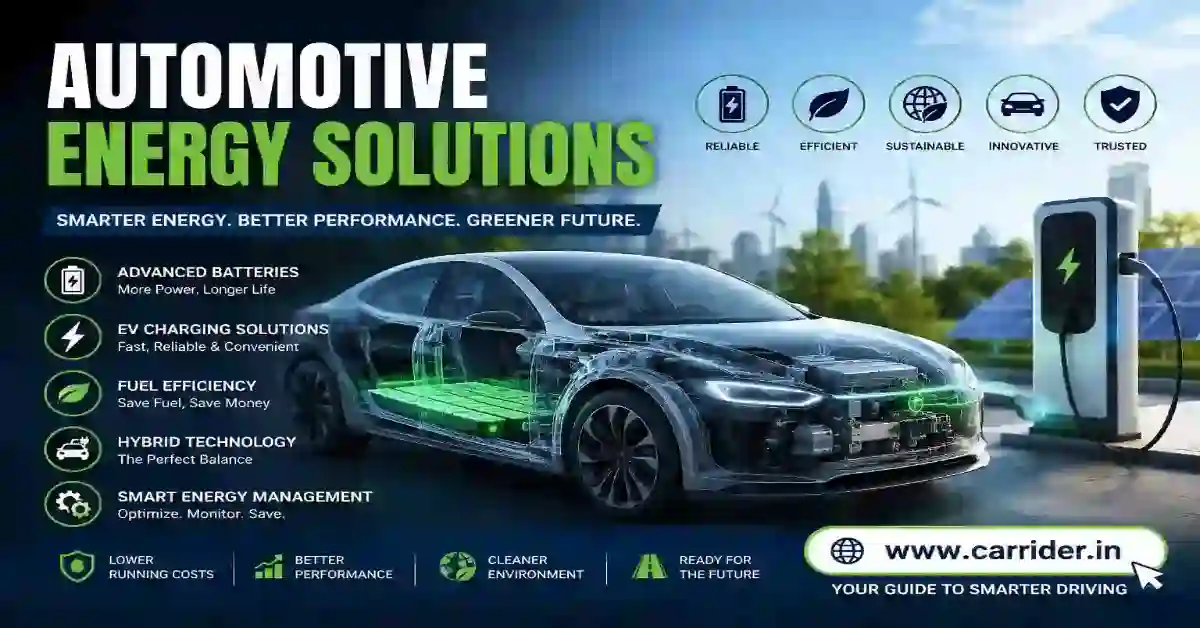
Automotive Energy Solutions vehicle energy management simply meant filling up the fuel tank and driving away. That changed when I experienced a dead battery during an early morning trip and later watched my monthly fuel expenses steadily increase.
Those situations pushed me to learn more about automotive energy solutions. Over the years, I have tested battery maintenance tools, used fuel-saving driving techniques, explored electric vehicle charging options, and learned how modern vehicles manage energy more efficiently than ever before.
If you own a car, motorcycle, commercial vehicle, or electric vehicle, understanding automotive energy solutions can help you save money, improve vehicle performance, and reduce unexpected breakdowns.
What Are Automotive Energy Solutions?
Automotive energy solutions refer to technologies, systems, and practices that help vehicles generate, store, manage, and use energy efficiently.
These solutions include:
- Vehicle batteries
- Alternators and charging systems
- Electric vehicle charging infrastructure
- Hybrid power systems
- Energy management software
- Solar-assisted vehicle technologies
- Fuel efficiency technologies
- Regenerative braking systems
The goal is simple: use less energy while getting better performance and reliability.
Why Automotive Energy Management Matters More Than Ever
Fuel prices rarely stay stable for long. At the same time, electric vehicles are becoming more common, and vehicle manufacturers are introducing smarter energy-saving technologies.
From personal experience, small improvements can make a noticeable difference.
For example:
- Maintaining correct tire pressure improved fuel efficiency.
- Replacing an aging battery prevented repeated starting issues.
- Monitoring driving habits reduced unnecessary fuel consumption.
- Using smart charging schedules lowered electricity costs for EV owners.
These may seem like minor changes, but together they can significantly reduce vehicle operating expenses.
Common Types of Automotive Energy Solutions
1. Advanced Vehicle Batteries
The battery is the heart of every modern vehicle.
Traditional lead-acid batteries are still widely used, but newer options offer better efficiency.
Popular battery technologies
| Battery Type | Common Use | Benefits |
|---|---|---|
| Lead-Acid | Standard vehicles | Affordable and reliable |
| AGM Battery | Start-stop vehicles | Longer lifespan |
| Lithium-Ion | Electric vehicles | Lightweight and efficient |
| Solid-State (Emerging) | Future EVs | Higher energy density |
One mistake I made years ago was ignoring early warning signs of battery failure. Slow engine cranking eventually turned into a complete no-start situation.
Regular battery testing can prevent that problem.
2. Smart Battery Monitoring Systems
Many modern vehicles now include battery monitoring systems.
These systems track:
- Voltage levels
- Charging status
- Temperature
- Battery health
Fleet operators especially benefit from these tools because they can identify problems before a vehicle becomes unavailable.
Electric Vehicle Charging Solutions
Electric vehicles have changed how people think about automotive energy.
Instead of stopping at fuel stations, EV owners focus on charging availability and charging speed.
Home Charging
Home charging is often the most convenient solution.
Benefits include:
- Overnight charging
- Lower operating costs
- Reduced dependency on public chargers
Many EV owners schedule charging during off-peak electricity hours to reduce energy bills.
Public Charging Networks
Public charging stations are becoming increasingly available.
They typically fall into three categories:
| Charger Type | Charging Speed | Best Use |
| Level 1 | Slow | Overnight home charging |
| Level 2 | Moderate | Homes and workplaces |
| DC Fast Charging | Very Fast | Long-distance travel |
When planning long trips, checking charging station availability beforehand can save considerable time and stress.
Hybrid Vehicle Energy Systems
Hybrid vehicles combine a fuel engine with an electric motor.
The system automatically switches between power sources to maximize efficiency.
Benefits include:
- Lower fuel consumption
- Reduced emissions
- Better city driving efficiency
- Extended driving range
A friend who switched to a hybrid vehicle noticed a significant reduction in fuel costs during daily commuting.
The biggest advantage was that he did not need to worry about charging infrastructure as much as a full EV owner.
Read
Regenerative Braking Technology
One of the most interesting automotive energy innovations is regenerative braking.
Instead of wasting braking energy as heat, the vehicle captures some of that energy and stores it in the battery.
Benefits include:
- Improved efficiency
- Increased battery range
- Reduced brake wear
- Better energy recovery
This technology is commonly used in electric and hybrid vehicles.
Fuel Efficiency Technologies
Not every automotive energy solution involves electric vehicles.
Many traditional vehicles now include technologies designed to reduce fuel consumption.
Examples include:
Start-Stop Systems
The engine automatically shuts off when the vehicle is stationary and restarts when needed.
Variable Valve Timing
This system improves engine efficiency under different driving conditions.
Lightweight Materials
Manufacturers use aluminum and composite materials to reduce vehicle weight.
Aerodynamic Design
Improved airflow reduces drag and lowers fuel consumption.
Even simple changes like removing unnecessary cargo can improve fuel economy.
Solar-Assisted Automotive Energy Solutions
Solar technology is beginning to influence the automotive industry.
Some applications include:
- Solar battery chargers
- Solar-powered ventilation systems
- Auxiliary charging support
- Commercial fleet energy systems
While solar panels currently cannot fully power most vehicles, they can help reduce battery drain and support auxiliary systems.
Energy Management Software
Modern vehicles increasingly rely on software.
Energy management systems help:
- Optimize battery performance
- Control power distribution
- Improve charging efficiency
- Extend battery lifespan
Fleet operators often use cloud-based dashboards to monitor vehicle energy consumption across multiple vehicles.
These tools provide valuable data for reducing operating costs.
Step-by-Step Guide to Improving Vehicle Energy Efficiency
If you want immediate improvements, start with these practical steps.
Step 1: Check Battery Health
Have the battery tested at least once a year.
A weak battery forces the charging system to work harder.
Step 2: Maintain Tire Pressure
Underinflated tires increase rolling resistance and waste energy.
Step 3: Reduce Excess Weight
Remove unnecessary items from the vehicle.
Extra weight requires more energy to move.
Step 4: Drive Smoothly
Avoid aggressive acceleration and sudden braking.
Consistent driving habits improve efficiency.
Step 5: Follow Maintenance Schedules
Dirty filters, worn spark plugs, and neglected maintenance reduce performance and efficiency.
Step 6: Use Energy Monitoring Apps
Many vehicles and aftermarket devices provide energy usage reports that help identify inefficiencies.
Common Mistakes People Make
Over the years, I have noticed several mistakes that reduce vehicle efficiency.
Ignoring Battery Warning Signs
Small symptoms often become expensive repairs.
Delaying Maintenance
Skipping routine maintenance usually costs more later.
Overusing Fast Chargers
Frequent fast charging may contribute to battery wear in some EVs.
Driving Aggressively
Rapid acceleration consumes more energy regardless of vehicle type.
Ignoring Tire Maintenance
Poor tire condition directly affects efficiency and safety.
Automotive Energy Solutions for Businesses
Commercial fleets can benefit significantly from energy management strategies.
Examples include:
- GPS route optimization
- Fuel monitoring systems
- Electric fleet adoption
- Predictive maintenance software
- Driver behavior analytics
Many fleet managers discover that reducing idle time alone can generate meaningful fuel savings across dozens or hundreds of vehicles.
Future Trends in Automotive Energy Solutions
The automotive industry continues to evolve rapidly.
Emerging technologies include:
- Solid-state batteries
- Wireless EV charging
- Vehicle-to-grid systems
- AI-powered energy management
- Hydrogen fuel cell vehicles
- Advanced regenerative systems
These innovations aim to make transportation more efficient, affordable, and environmentally responsible.
Final Thoughts
After dealing with battery failures, rising fuel costs, and changing vehicle technology, one lesson stands out: energy management matters more than most drivers realize.
Automotive energy solutions are no longer limited to electric vehicles. Whether you drive a traditional gasoline car, a hybrid, or a fully electric vehicle, improving how energy is stored and used can lower costs, improve reliability, and extend vehicle life.
The best approach is to start with simple improvements—battery maintenance, tire care, efficient driving habits, and regular servicing. Small changes often produce bigger results than people expect, and those savings add up over time.

One thought on “Automotive Energy Solutions”