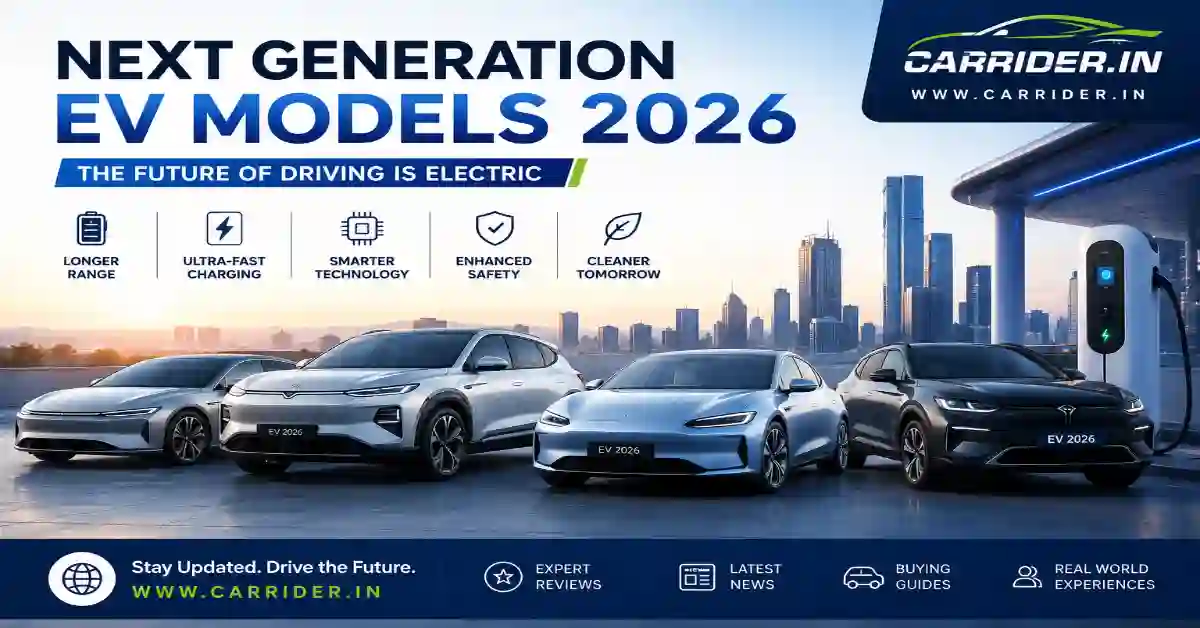
Next Generation EV Models 2026 for a weekend road trip. I was excited about the silent driving experience, but I also spent more time than expected looking for charging stations. Back then, range anxiety was real, charging speeds were slower, and EV options were limited. Fast forward to 2026, and the situation looks very different.
Automakers are no longer treating electric vehicles as experimental products. Instead, EVs have become a major part of their future plans. Better batteries, longer driving ranges, faster charging technology, and smarter software are making next-generation EV models more practical than ever.
If you’re considering your first electric vehicle or thinking about upgrading from an older EV, 2026 could be one of the most exciting years yet.
Why 2026 Is a Big Year for Electric Vehicles
The biggest difference between older EVs and the latest generation models is that manufacturers are focusing on solving real-world problems.
Drivers have consistently asked for:
- Longer range
- Faster charging
- Lower ownership costs
- Better battery life
- More affordable pricing
- Improved software features
Many upcoming EVs launching in 2026 are designed specifically around these demands.
Several manufacturers are also introducing advanced battery technologies that promise better efficiency and reduced charging times.
Major Trends Shaping Next Generation EV Models in 2026
1. Longer Driving Range
One of the most noticeable improvements is range.
Five years ago, a range of 250 km to 350 km was considered acceptable. Today, many upcoming EVs are expected to offer:
| EV Generation | Typical Range |
|---|---|
| Early EVs | 150–250 km |
| Mid-generation EVs | 300–500 km |
| Next-gen EVs (2026) | 600–800+ km |
This improvement means many drivers may only need to charge once or twice a week.
2. Ultra-Fast Charging Technology
Charging speed has become one of the biggest selling points.
Several 2026 EV models are expected to support charging systems capable of adding hundreds of kilometers of range in less than 20 minutes.
For everyday users, this means charging breaks during long trips may feel more like a quick coffee stop rather than a lengthy wait.
3. Smarter Battery Management
Battery technology continues to improve every year.
Manufacturers are developing systems that:
- Reduce battery degradation
- Improve thermal management
- Increase battery lifespan
- Enhance safety performance
As someone who follows EV ownership forums regularly, one common concern among buyers has always been long-term battery health. New battery management systems are addressing that concern directly.
4. Advanced Software and AI Features
Modern EVs are becoming computers on wheels.
Many next-generation models include:
- Voice-controlled functions
- Intelligent navigation
- Predictive charging recommendations
- Real-time battery optimization
- Over-the-air software updates
These updates allow manufacturers to improve vehicle performance even after purchase.
Most Anticipated Next Generation EV Models of 2026
Tesla’s New Generation EV Lineup
Tesla continues to influence the electric vehicle market with improvements in efficiency, charging infrastructure, and autonomous driving features.
Expected highlights include:
- Improved battery technology
- Enhanced self-driving capabilities
- Greater energy efficiency
- Faster software processing
Many industry observers expect Tesla’s upcoming models to focus heavily on affordability while maintaining strong performance.
Hyundai’s Future EV Platform
Hyundai has quietly become one of the strongest EV manufacturers globally.
The company’s next-generation electric vehicles are expected to offer:
- Long-range batteries
- Ultra-fast charging
- Advanced safety systems
- Modern cabin technology
Hyundai’s recent EV releases have earned positive feedback for balancing performance, comfort, and value.
Kia’s Expanding EV Portfolio
Kia has impressed many drivers with practical electric vehicles that don’t feel overly complicated.
Upcoming 2026 models are expected to include:
- Family-focused electric SUVs
- Long-range crossovers
- Improved infotainment systems
- Enhanced battery efficiency
For buyers looking for everyday usability, Kia remains a brand worth watching.
BMW’s Neue Klasse EV Models
BMW’s next-generation electric platform aims to deliver:
- Higher efficiency
- Better performance
- More sustainable production
- Advanced digital features
The company is investing heavily in its future EV ecosystem and plans to introduce several vehicles built around its latest architecture.
Mercedes-Benz Electric Innovations
Luxury EV buyers can expect:
- Premium interiors
- Longer battery range
- Improved charging performance
- Advanced driver assistance systems
Mercedes continues to focus on combining luxury and electric mobility without compromising comfort.
What I Learned After Driving Multiple EVs
One lesson surprised me.
Many first-time EV buyers focus only on range.
While range matters, it isn’t always the most important factor.
I found these features often matter more:
- Charging network availability
- Home charging convenience
- Software reliability
- Cabin comfort
- Real-world efficiency
A vehicle with slightly lower range but excellent charging infrastructure can sometimes be more practical than a vehicle with a larger battery.
How to Choose the Right EV in 2026
Step 1: Understand Your Daily Driving Needs
Start by tracking your weekly driving distance.
Ask yourself:
- How far do I commute?
- Do I take frequent road trips?
- Can I charge at home?
These answers will help narrow down the right EV category.
Step 2: Evaluate Charging Options
Before purchasing an EV, check:
- Home charging availability
- Nearby public chargers
- Workplace charging options
Many buyers underestimate the importance of charging convenience.
Step 3: Compare Battery Warranty Coverage
Battery warranties vary between manufacturers.
Look for:
- Warranty duration
- Coverage limits
- Performance guarantees
A strong battery warranty provides valuable peace of mind.
Step 4: Test Drive Multiple Models
A test drive reveals details that specifications cannot.
Pay attention to:
- Ride comfort
- Visibility
- Cabin quality
- Infotainment responsiveness
- Regenerative braking feel
I have personally found that two EVs with similar specifications can feel completely different on the road.
Common EV Buying Mistakes to Avoid
Buying Based Only on Range
A longer range sounds appealing, but charging convenience often matters more.
Ignoring Charging Infrastructure
Always research charging availability before purchasing.
Overlooking Software Experience
Many daily interactions happen through the vehicle’s software system.
A poor user interface can become frustrating quickly.
Not Considering Future Resale Value
Some brands retain value better than others.
Research market trends before making a final decision.
Are EVs Becoming More Affordable in 2026?
One encouraging trend is increasing competition.
More manufacturers are entering the EV market, creating pressure to offer:
- Better pricing
- More features
- Improved warranties
- Enhanced ownership experiences
As battery production scales globally, many experts expect EV prices to become increasingly competitive with traditional gasoline vehicles.
The Future Beyond 2026
The next phase of EV development will likely focus on:
- Solid-state batteries
- Faster charging systems
- Vehicle-to-home energy sharing
- Improved autonomous driving
- Greater sustainability in manufacturing
These innovations could further reduce ownership costs while improving convenience.
Final Thoughts
If you’ve been waiting for the right time to switch to an electric vehicle, 2026 looks promising. The next generation of EV models is addressing many of the concerns that early adopters experienced, from charging speed to battery range and software reliability.
What stands out most is that manufacturers are finally building EVs around real driver needs rather than simply chasing specifications. Whether you’re looking for a family SUV, a luxury sedan, or an affordable daily commuter, the upcoming wave of electric vehicles offers more choice than ever before.
For most drivers, the question is no longer whether EVs are practical. The real question is which next-generation EV model best fits their lifestyle.

One thought on “Next Generation EV Models 2026”