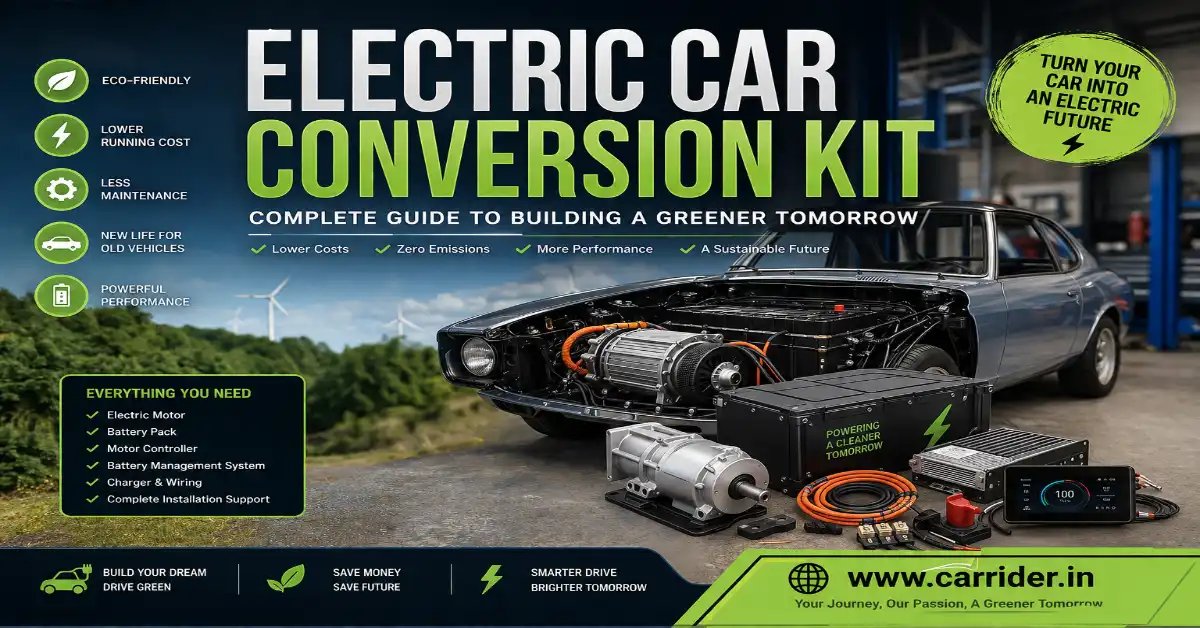
Electric Car Conversion Kit provides most of the essential components needed to replace a traditional internal combustion engine with an electric drivetrain. Instead of purchasing a brand-new electric vehicle, many drivers are exploring EV conversions as a practical and environmentally friendly alternative. Whether you want to restore a classic car or reduce fuel costs, an electric conversion can be a rewarding project.
This comprehensive guide explains everything you need to know—from choosing the right conversion kit to installation costs, legal considerations, maintenance, and frequently asked questions.
What Is an Electric Car Conversion Kit?
An electric car conversion kit is a collection of components designed to convert a gasoline or diesel-powered vehicle into a fully electric vehicle.
A standard kit typically includes:
| Component | Purpose |
|---|---|
| Electric Motor | Replaces the combustion engine |
| Motor Controller | Controls motor speed and torque |
| Battery Pack | Stores electrical energy |
| Battery Management System (BMS) | Protects battery health |
| DC-DC Converter | Powers 12V electronics |
| Charger | Recharges battery |
| Wiring Harness | Connects electrical components |
| Mounting Hardware | Secures new components |
Some premium kits also include regenerative braking systems, touchscreen displays, cooling systems, and smartphone monitoring apps.
Why Convert a Car Instead of Buying a New EV?
Many people assume purchasing a new electric vehicle is the only option. However, converting an existing vehicle offers several unique advantages.
Cost Savings
Buying a new EV can cost tens of thousands of dollars. Converting an existing vehicle may cost less depending on the vehicle and battery size.
Environmental Benefits
Reusing an existing vehicle reduces manufacturing waste and extends the life of the car.
Preserve Classic Cars
Many collectors convert vintage cars while maintaining their original appearance.
Lower Maintenance
Electric drivetrains have fewer moving parts than gasoline engines.
Benefits at a Glance
- Zero tailpipe emissions
- Lower fuel costs
- Reduced maintenance
- Smooth driving experience
- Quiet operation
- Customizable battery capacity
How Does an Electric Car Conversion Kit Work?
The conversion process replaces nearly every gasoline powertrain component.
Step 1
Remove:
- Engine
- Fuel tank
- Exhaust
- Radiator
- Transmission (sometimes retained)
Step 2
Install:
- Electric motor
- Battery pack
- Controller
- Charger
- Wiring
Step 3
Configure the software, safety systems, and charging equipment before testing.
The electric motor receives energy from the battery instead of burning fuel.
Types of Electric Car Conversion Kits
Not every conversion kit is the same.
DIY Conversion Kits
Designed for experienced mechanics.
Pros
- Lower cost
- Highly customizable
Cons
- Complex installation
- Requires electrical knowledge
Professional Conversion Kits
Installed by certified EV conversion workshops.
Pros
- Reliable installation
- Warranty support
- Better safety
Cons
- Higher labor costs
Universal Kits
Compatible with many vehicles.
Suitable for:
- Sedans
- Hatchbacks
- Pickup trucks
- Classic cars
Vehicle-Specific Kits
Engineered for a particular model.
Advantages:
- Easier installation
- Better component fit
- Less fabrication required
Electric Car Conversion Cost
Cost depends on battery size, vehicle type, labor, and component quality.
| Item | Estimated Cost |
|---|---|
| Electric Motor | $2,000–$6,000 |
| Battery Pack | $5,000–$15,000 |
| Controller | $800–$2,500 |
| Charger | $500–$1,500 |
| BMS | $700–$2,000 |
| Wiring | $300–$1,000 |
| Labor | $3,000–$10,000 |
Total Estimated Cost
$12,000–$35,000
Luxury conversions can exceed $50,000.
Step-by-Step Guide to Installing an Electric Car Conversion Kit
Choose the Right Vehicle
Ideal candidates include:
- Lightweight cars
- Manual transmission vehicles
- Classic cars
- Compact sedans
Select the Battery
Battery chemistry options include:
- Lithium-ion
- LiFePO4
- NMC batteries
Install the Electric Motor
The motor is mounted where the engine previously sat.
Install Battery Packs
Battery placement affects:
- Weight distribution
- Safety
- Driving range
Wire Everything Together
Install:
- High-voltage cables
- Fuse protection
- Safety disconnects
- Cooling systems
Test the System
Before driving:
- Verify voltage
- Inspect wiring
- Test charging
- Perform low-speed road tests
Pros and Cons of an Electric Car Conversion Kit
Advantages
- Lower operating costs
- Quiet driving
- Eco-friendly
- Reduced maintenance
- Preserve favorite vehicles
- Customizable performance
Disadvantages
- High upfront investment
- Requires technical expertise
- Certification requirements vary
- Battery replacement costs
- Insurance adjustments may be needed
Common Mistakes to Avoid
Many first-time builders make avoidable errors.
Mistake 1
Choosing an undersized battery.
Mistake 2
Ignoring cooling requirements.
Mistake 3
Using poor-quality wiring.
Mistake 4
Skipping battery management systems.
Mistake 5
Not checking local regulations before beginning the project.
Real-World Example: A Classic Car EV Conversion
A hobbyist converted a 1972 compact coupe into an electric vehicle using a mid-range conversion kit. The project included a 40 kWh battery pack, an electric motor, and a modern battery management system. Although the conversion took several months, the result was a quiet, reliable vehicle with a practical driving range for weekend trips and local commuting. The owner reported significantly lower maintenance needs and appreciated preserving the classic appearance while modernizing the powertrain.
This example highlights that careful planning, quality components, and patience can lead to a successful EV conversion.
Expert Tips Before Buying an Electric Car Conversion Kit
Professionals recommend:
- Purchase quality batteries from reputable manufacturers.
- Use waterproof connectors.
- Install a proper battery management system.
- Plan battery placement before ordering parts.
- Budget for unexpected fabrication work.
- Keep detailed wiring diagrams.
- Follow local inspection and registration requirements.
- Consider professional help for high-voltage systems if you lack experience.
Is an Electric Car Conversion Kit Worth It?
For many enthusiasts and environmentally conscious drivers, the answer is yes—provided the project aligns with their budget, skills, and goals.
A conversion can be especially worthwhile if you already own a suitable vehicle with a solid body and chassis. While the initial investment can be substantial, the long-term savings on fuel and routine maintenance, combined with the satisfaction of driving a unique electric vehicle, make it an appealing option.
If your primary goal is affordability and convenience, purchasing a used EV may be a better choice. If you enjoy engineering projects or want to preserve a beloved vehicle, an electric car conversion kit offers an exciting path to electric mobility.
Conclusion
An electric car conversion kit offers a practical way to transform a conventional vehicle into a cleaner, quieter, and more efficient electric car. From selecting the right components to understanding installation costs and avoiding common mistakes, careful planning is essential for a successful conversion.
Before purchasing a kit, compare component quality, battery options, compatibility, and local regulations. Whether you’re restoring a classic car or reducing your environmental impact, an EV conversion can be a rewarding long-term investment.

One thought on “Electric Car Conversion Kit”