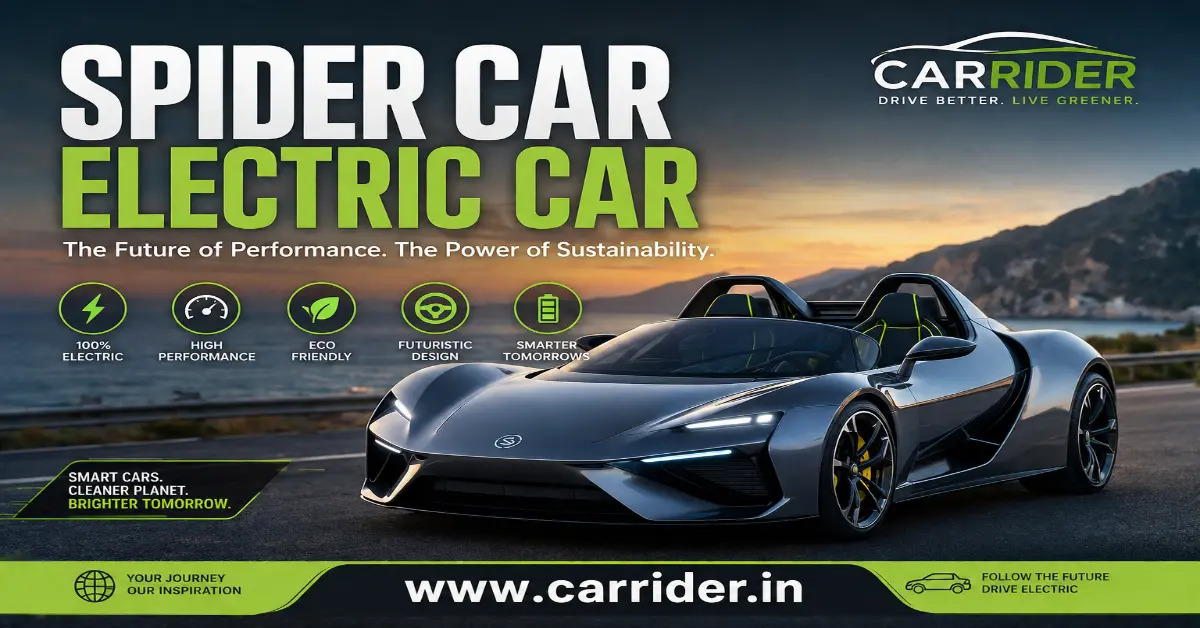
Spider Car Electric Car : Combining futuristic styling, open-top driving, instant electric acceleration, and eco-friendly technology, these vehicles offer a unique driving experience. Whether you’re searching for a luxury electric roadster or simply curious about spider-style electric cars, this guide explains everything you need to know before making a purchase.
What Is a Spider Car Electric Car?
A spider car electric car generally refers to an electric vehicle designed with a Spider (or Spyder) body style. Traditionally, “Spider” means an open-top sports car with lightweight construction and exciting performance.
Modern electric Spider cars combine:
- Zero-emission driving
- Convertible or removable roof
- Advanced battery technology
- Instant torque
- Premium interior
- Aerodynamic styling
Unlike traditional gasoline-powered sports cars, electric Spider models deliver impressive acceleration without engine noise while reducing environmental impact.
Why Are Spider Electric Cars Becoming Popular?
Several factors have contributed to their growing popularity.
Instant Performance
Electric motors produce maximum torque instantly, making acceleration extremely quick.
Environmentally Friendly
These vehicles produce no tailpipe emissions, helping reduce pollution.
Premium Design
Spider-style electric cars feature sleek body lines, aggressive styling, and luxury interiors.
Lower Running Costs
Compared with gasoline sports cars, EVs typically require:
- Less maintenance
- No oil changes
- Lower fuel expenses
- Fewer moving parts
Key Features of a Spider Car Electric Car
Powerful Electric Motor
Modern electric sports cars commonly produce between 250 HP and over 1,000 HP depending on the model.
Typical Performance
| Feature | Average Specification |
|---|---|
| Driving Range | 250–450 miles |
| Charging Time | 20–40 minutes (Fast Charger) |
| Top Speed | 120–250 mph |
| 0-60 mph | 2–5 seconds |
Advanced Battery Technology
Most premium electric Spider cars use:
- Lithium-ion batteries
- Regenerative braking
- Intelligent battery cooling
- Battery management systems
These technologies improve efficiency and battery lifespan.
Convertible Roof Options
Many Spider-inspired EVs include:
- Soft-top roofs
- Hard-top convertible systems
- Removable roof panels
- Panoramic glass roofs
Benefits of Buying a Spider Car Electric Car
Owning a spider-style electric vehicle offers several advantages.
Exceptional Acceleration
Electric motors eliminate gear shifts, resulting in smooth and rapid acceleration.
Quiet Driving Experience
Unlike gasoline engines, electric motors operate almost silently.
Eco-Friendly Transportation
Driving an EV helps reduce carbon emissions while supporting cleaner mobility.
Lower Maintenance Costs
Since electric vehicles have fewer mechanical components, maintenance is often simpler.
Popular Spider-Style Electric Cars
Several electric sports cars resemble the Spider concept.
| Model | Estimated Range | 0-60 mph |
|---|---|---|
| Tesla Roadster (Upcoming) | 600+ miles | Under 2 seconds |
| MG Cyberster | Around 300 miles | About 3.2 seconds |
| Porsche Boxster EV (Expected) | Expected 300+ miles | Around 4 seconds |
| Lotus Type 135 (Future) | Estimated 300 miles | Under 4 seconds |
These models represent the future of electric performance vehicles.
How to Choose the Best Spider Car Electric Car
Before purchasing, evaluate several important factors.
Battery Range
Consider your daily driving needs.
- City driving
- Weekend trips
- Highway travel
Longer range reduces charging frequency.
Charging Infrastructure
Ensure charging stations are available near:
- Home
- Workplace
- Travel routes
Fast charging compatibility is an important feature.
Performance
Compare:
- Horsepower
- Torque
- Top speed
- Handling
- Suspension
Performance enthusiasts should prioritize acceleration and cornering capabilities.
Safety Features
Look for modern technologies including:
- Adaptive Cruise Control
- Automatic Emergency Braking
- Blind Spot Monitoring
- Lane Keeping Assist
- Multiple Airbags
Step-by-Step Guide to Buying a Spider Car Electric Car
Step 1
Determine your budget.
Step 2
Compare available electric sports cars.
Step 3
Read expert and owner reviews.
Step 4
Take a test drive.
Step 5
Check charging compatibility.
Step 6
Review warranty coverage.
Step 7
Compare financing options.
Step 8
Purchase from an authorized dealer.
Real-Life Example
Imagine Sarah, a technology entrepreneur who wanted a sports car but also cared about sustainability.
Initially, she considered a gasoline convertible. After comparing fuel costs, maintenance, and environmental impact, she chose an electric sports roadster.
Within one year:
- Fuel costs dropped dramatically.
- Maintenance expenses were minimal.
- She enjoyed instant acceleration.
- Home charging made daily commuting easier.
Her experience highlights why many buyers are switching to premium electric sports cars.
Pros and Cons
| Pros | Cons |
|---|---|
| Instant acceleration | Higher purchase price |
| Low maintenance | Charging infrastructure varies |
| Eco-friendly | Battery replacement can be expensive |
| Quiet ride | Limited model availability |
| Advanced technology | Long-distance planning required |
Common Mistakes to Avoid
Many first-time buyers make avoidable mistakes.
Ignoring Charging Availability
Always check charging options before purchasing.
Buying Only for Appearance
Performance, battery range, and reliability matter more than styling alone.
Not Comparing Warranty
Battery warranties differ significantly between manufacturers.
Overlooking Insurance Costs
Sports EVs often have higher insurance premiums.
Expert Tips Before Buying
- Test drive multiple models.
- Compare battery warranties.
- Research resale value.
- Install a home charging station.
- Understand available government EV incentives.
- Review software update policies.
- Consider future charging standards.
Future of Spider Car Electric Cars
The next generation of Spider EVs will likely feature:
- Solid-state batteries
- Longer driving ranges
- Faster charging
- Autonomous driving assistance
- Lightweight composite materials
- AI-powered driving systems
- Improved battery recycling
Manufacturers continue investing heavily in electric sports cars, making this category one of the most exciting areas of automotive innovation.
Is a Spider Car Electric Car Worth Buying?
If you value:
- High performance
- Luxury styling
- Sustainability
- Cutting-edge technology
- Lower maintenance
then a spider car electric car can be an excellent choice. While the upfront cost may be higher than conventional vehicles, lower operating costs and an engaging driving experience make it appealing for many enthusiasts.
Conclusion
The Spider Car Electric Car represents the perfect blend of performance, innovation, and environmental responsibility. With impressive acceleration, advanced battery technology, luxurious interiors, and striking open-top designs, these vehicles are redefining what modern sports cars can be.
As battery technology improves and charging infrastructure expands, spider-style electric cars are expected to become even more practical and desirable. If you’re considering your next performance vehicle, now is a great time to explore the growing world of electric Spider cars.
Call to Action: Stay updated with the latest electric vehicle news, reviews, and buying guides to make informed decisions before purchasing your next EV.
Frequently Asked Questions (FAQs)
1. What is a spider car electric car?
A spider car electric car is an electric sports vehicle inspired by the classic Spider or Spyder body style, typically featuring an open-top design and high-performance electric drivetrain.
2. Are spider electric cars fully electric?
Many modern spider-style vehicles are fully electric, while some manufacturers also offer hybrid variants.
3. Which company makes electric Spider cars?
Manufacturers developing or producing Spider-style EVs include MG, Tesla, Porsche, Lotus, and several premium automotive brands.
4. How far can a spider electric car travel?
Most current models offer between 250 and 450 miles per charge, depending on battery size and driving conditions.
5. How long does charging take?
Fast chargers can recharge many EV batteries from 10% to 80% in approximately 20 to 40 minutes, while home charging typically takes several hours.
